AstraZeneca
Construction — Vector Mais
Design & Build — CBRE | Turner & Townsend
Concept — Gensler
Size — 5.000 m²
Location — Lisbon
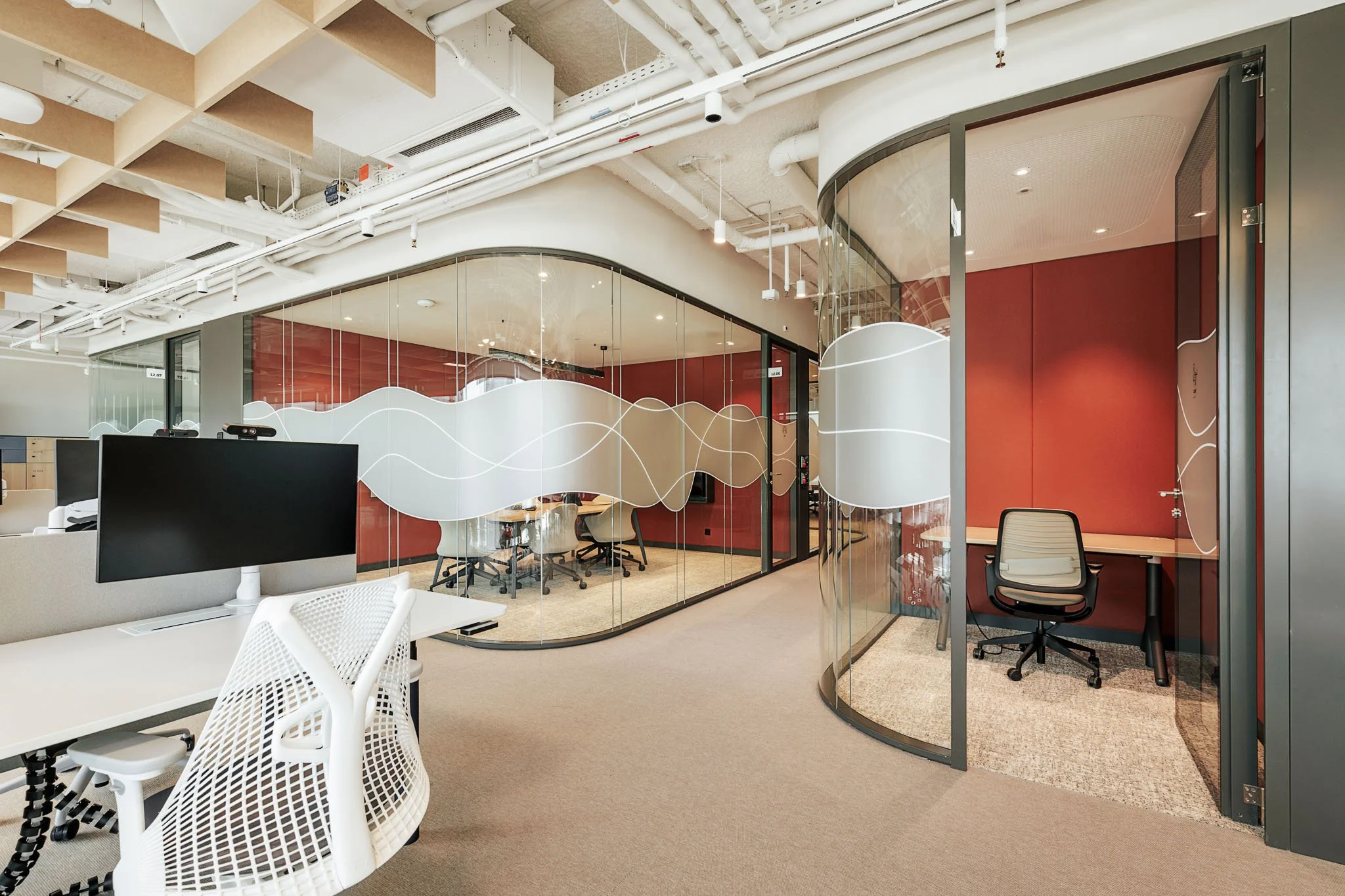
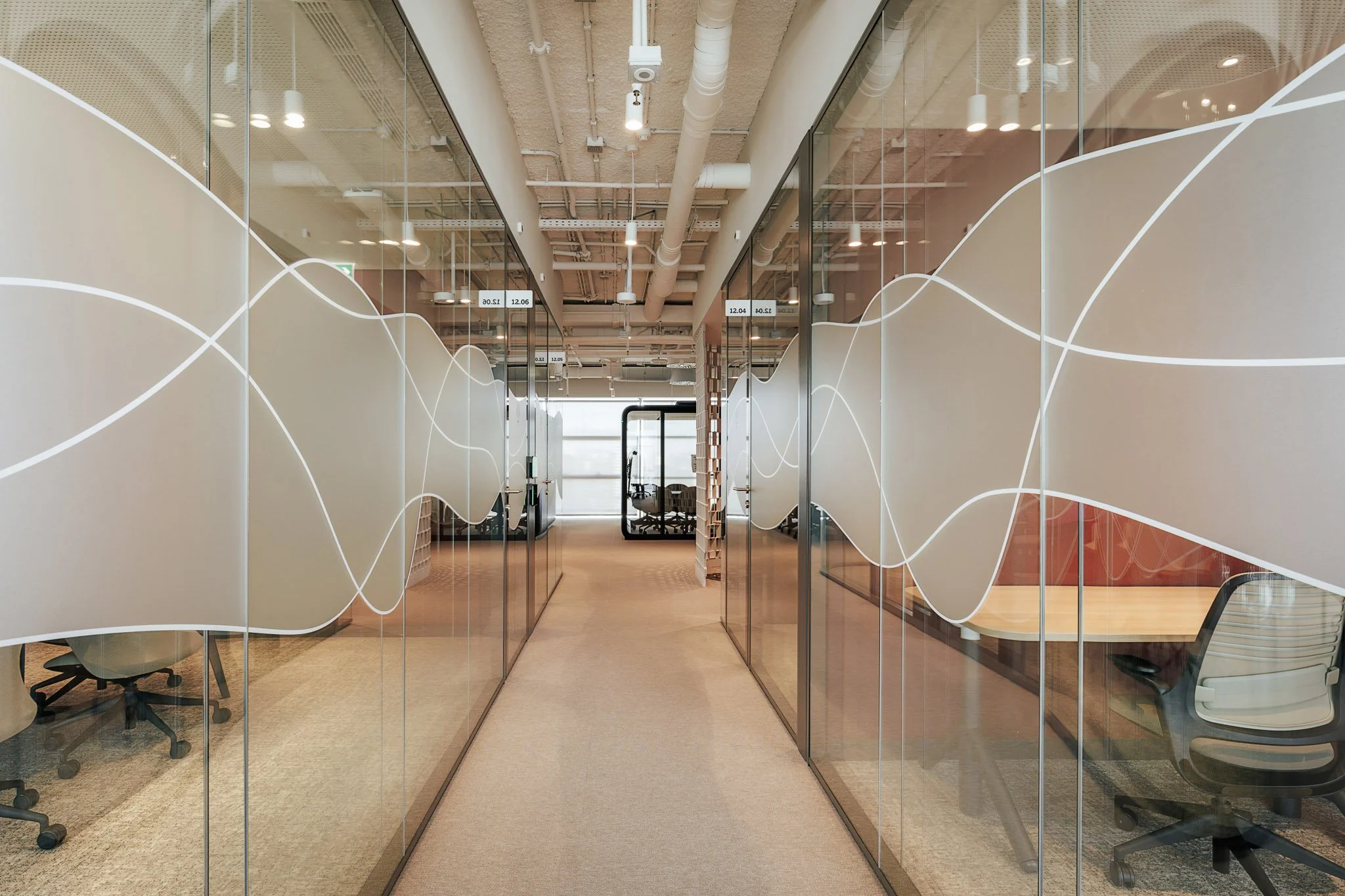
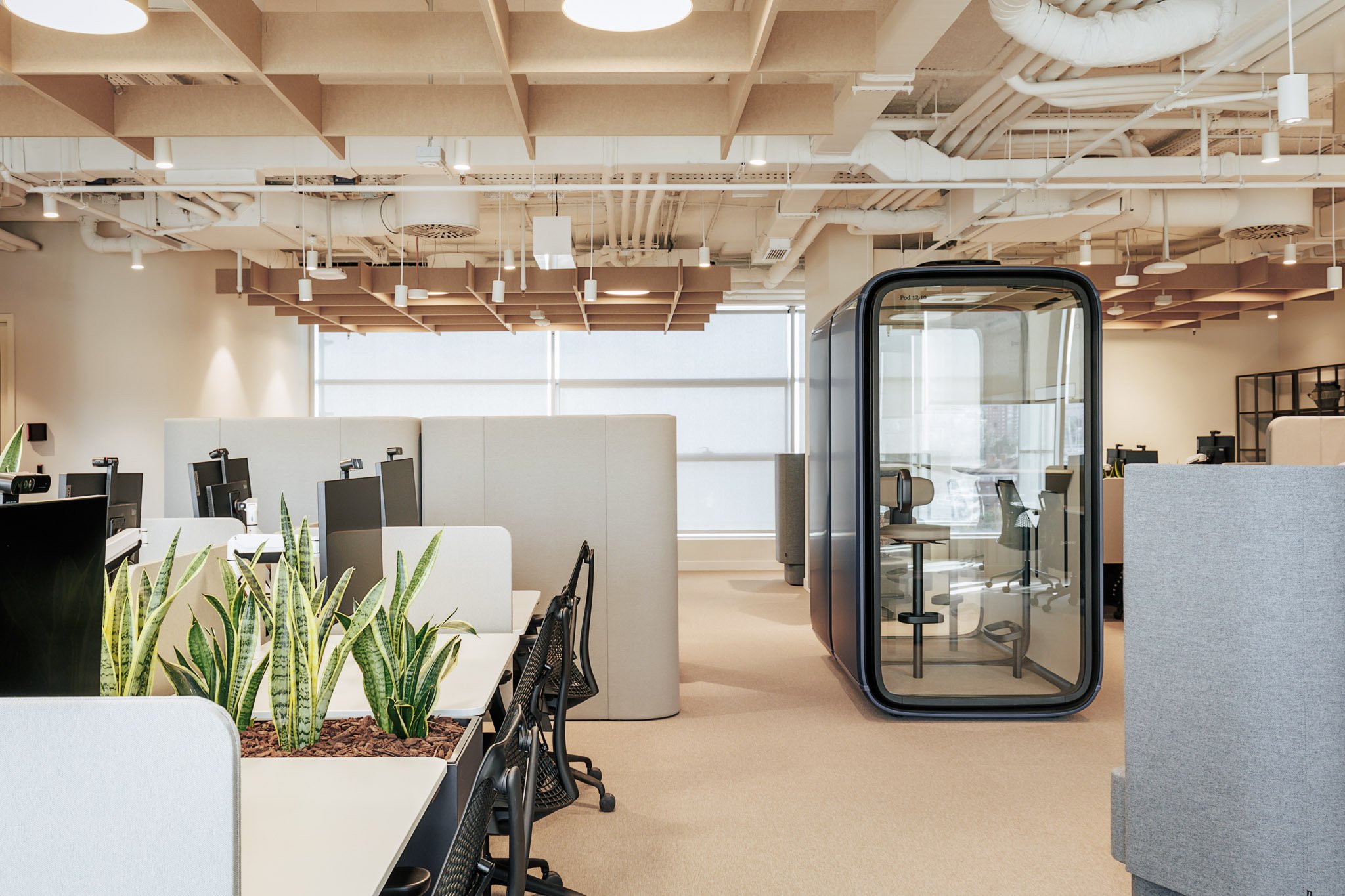
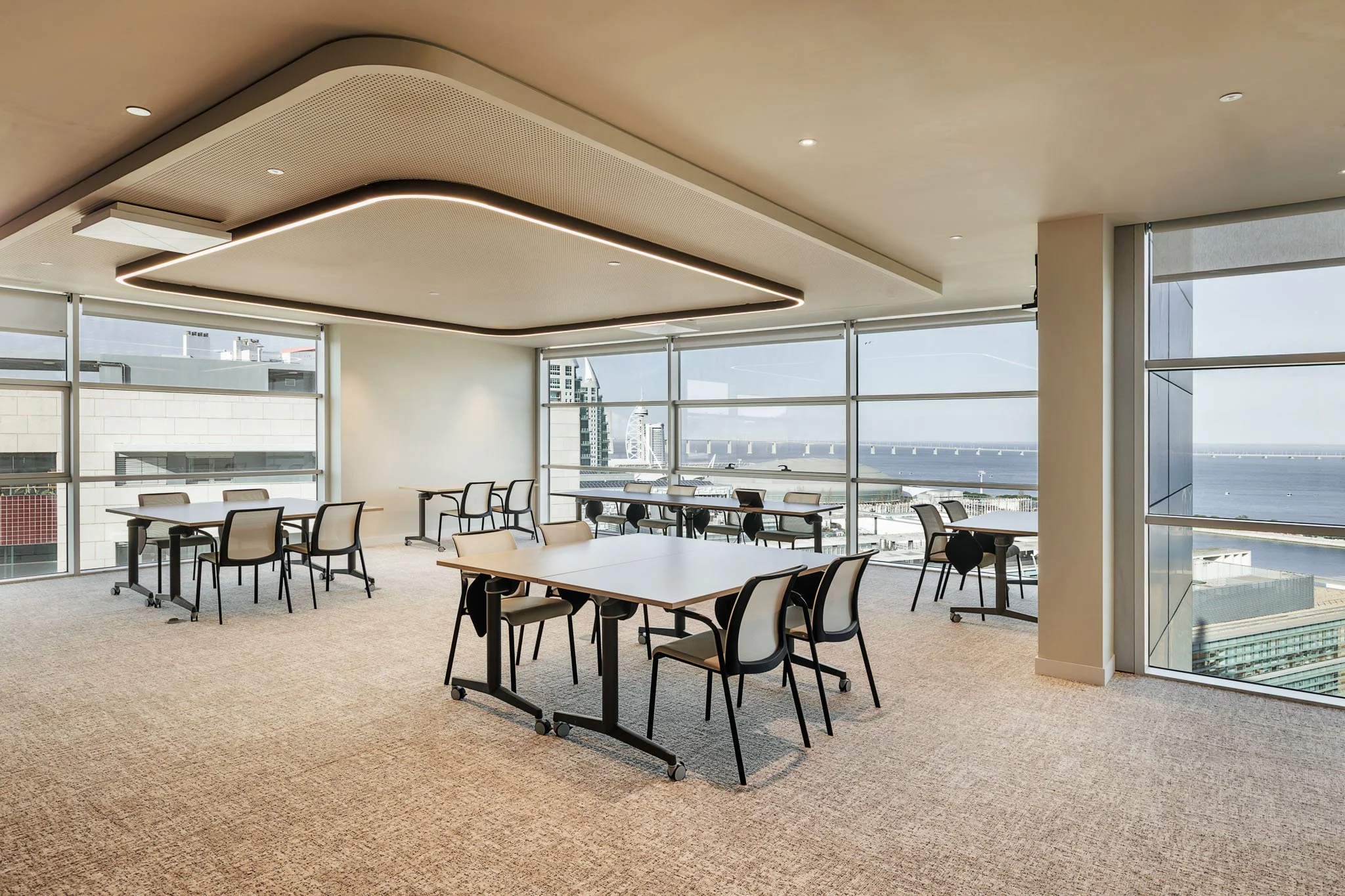
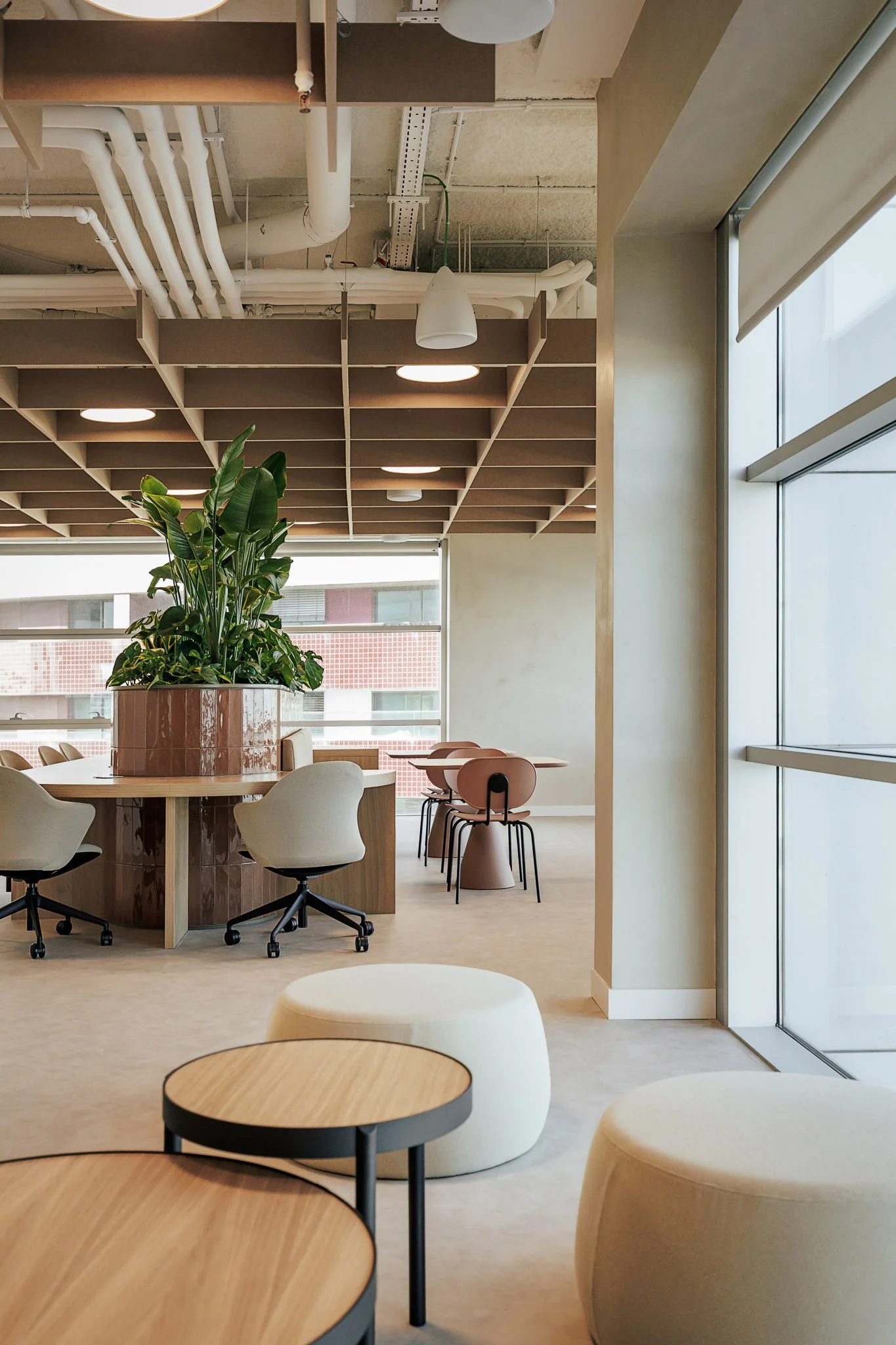
Integrated into AstraZeneca’s strategy of bringing its entire team together in a single location, a new benchmark hub has emerged in Lisbon: a space spanning six floors of the Báltico Building, in Parque das Nações, with capacity for around 750 people.
As part of a design & build process led by CBRE | Turner & Townsend and concept by Gensler, Vector Mais was selected to build this competency centre, which plays a strategic role in supporting nearly 100 AstraZeneca facilities across approximately 60 countries. Its core functions include areas such as project management, finance, information technology, procurement, and human resources.
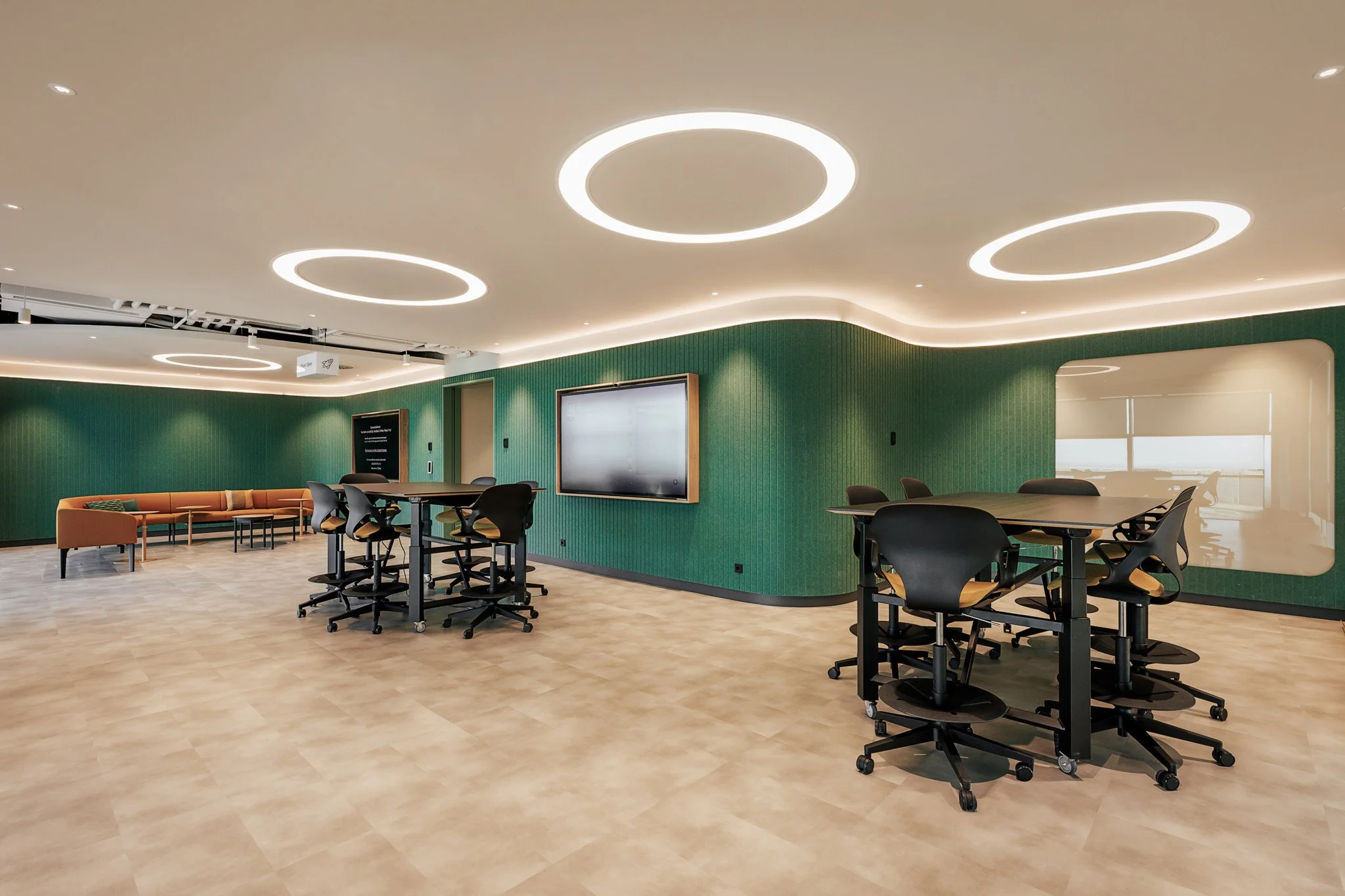
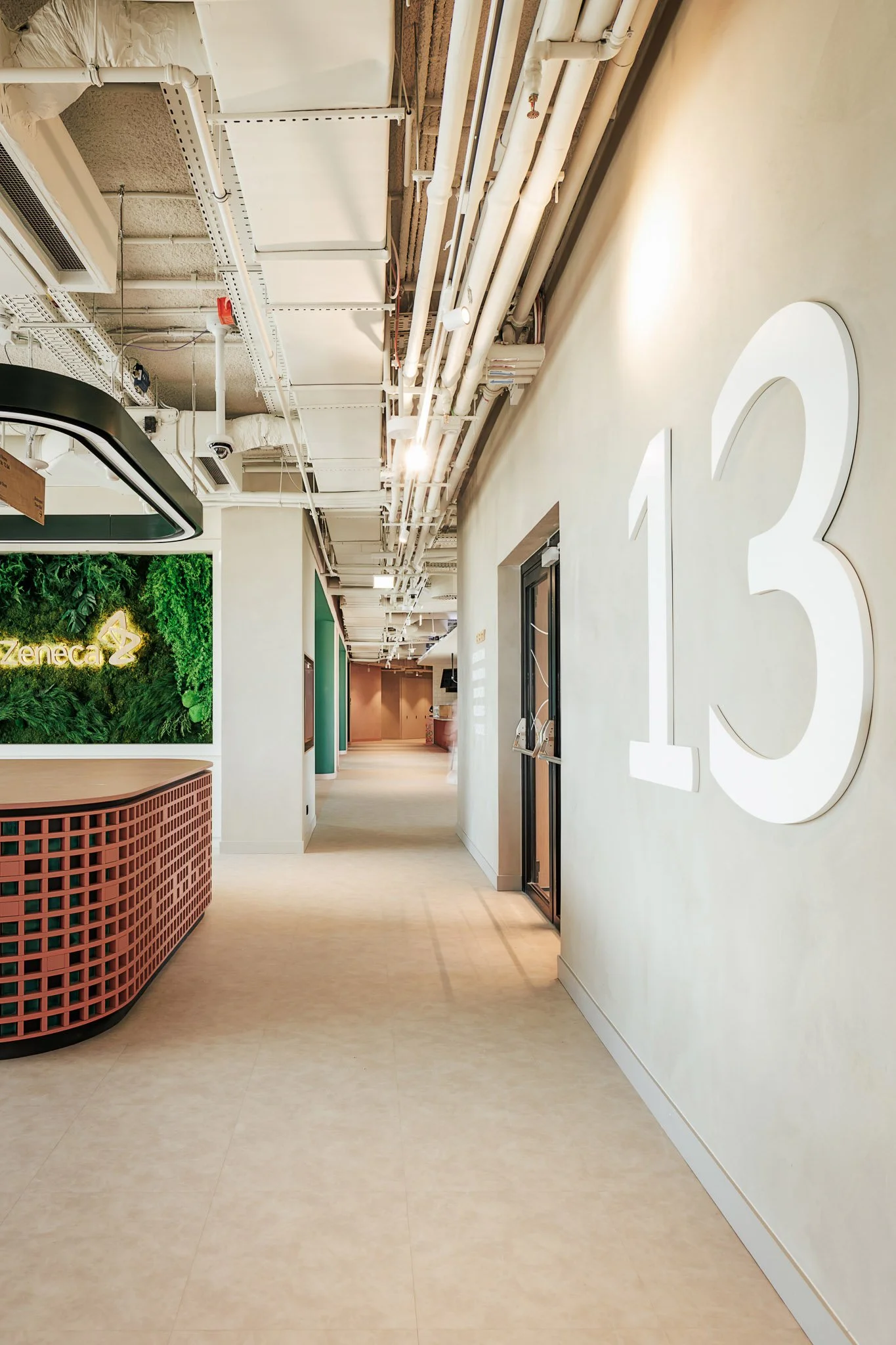
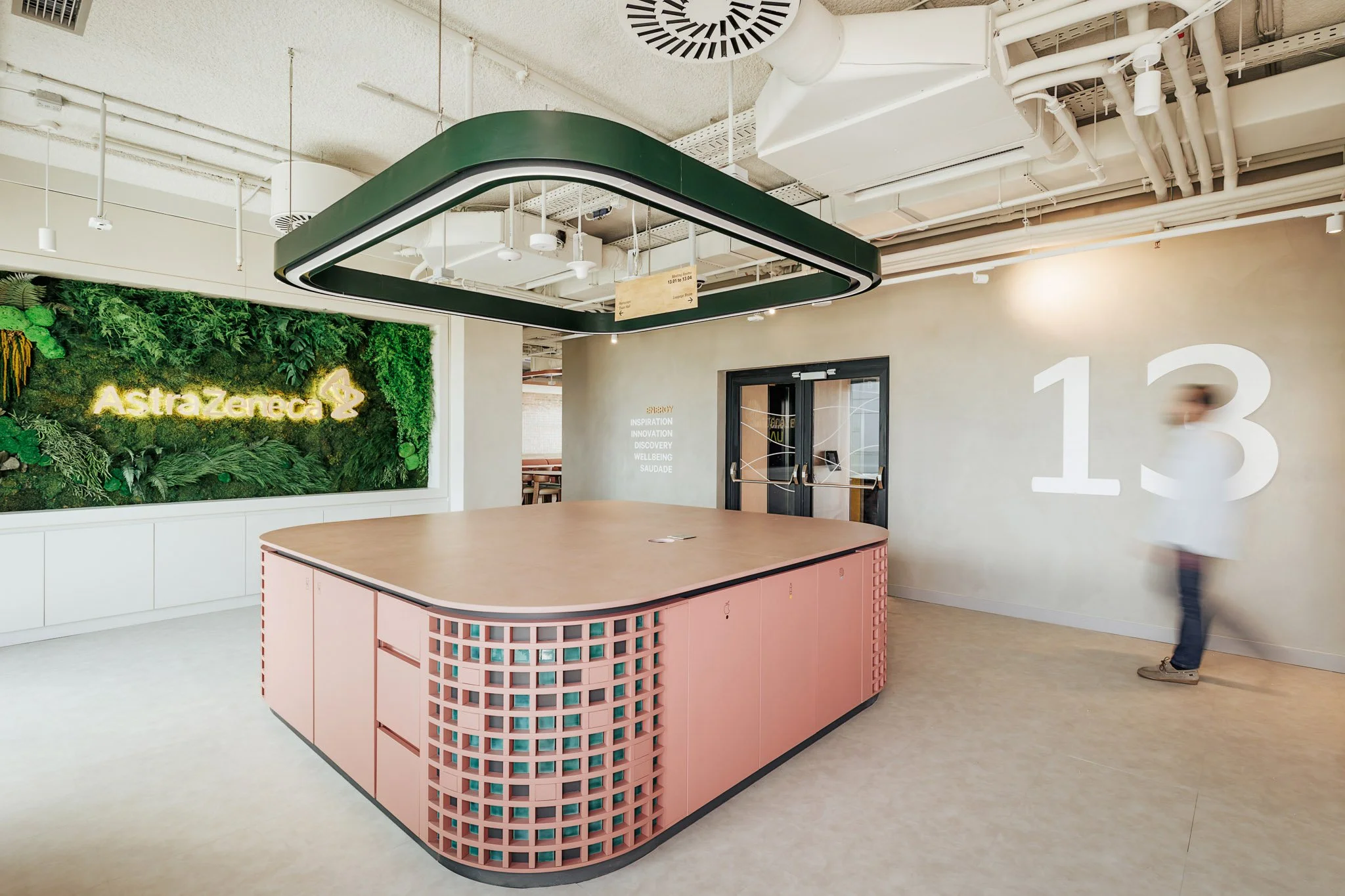
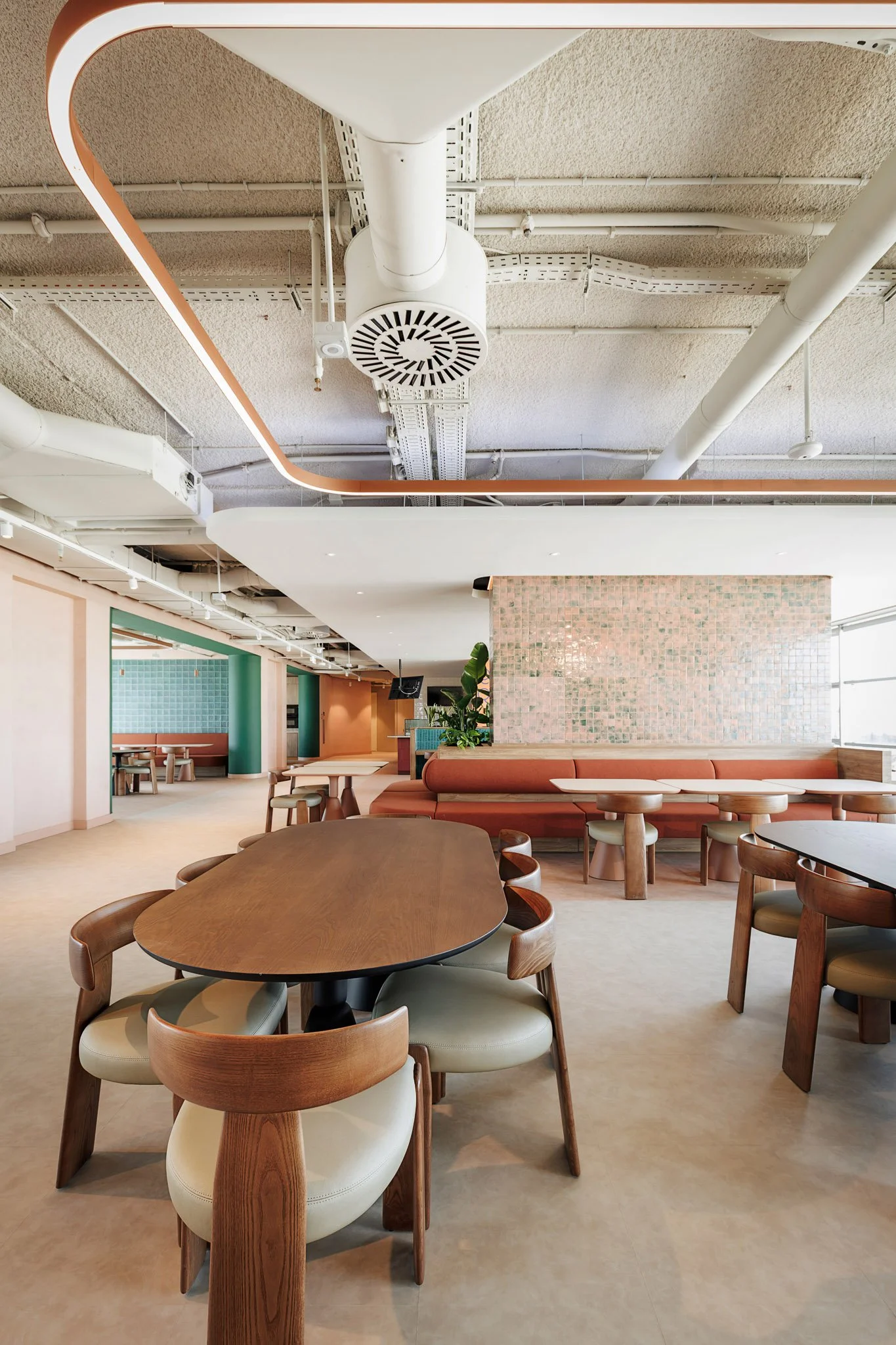
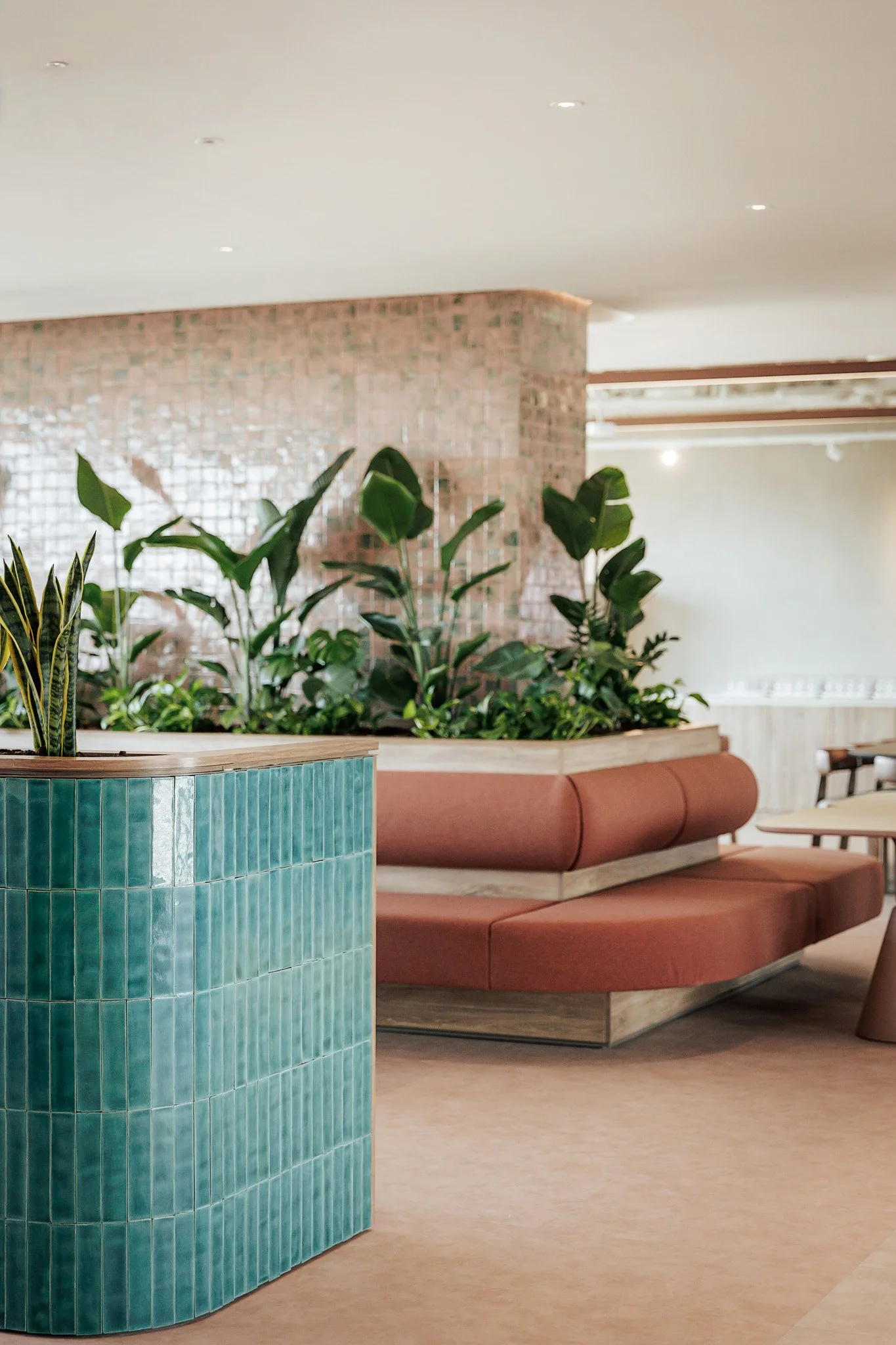
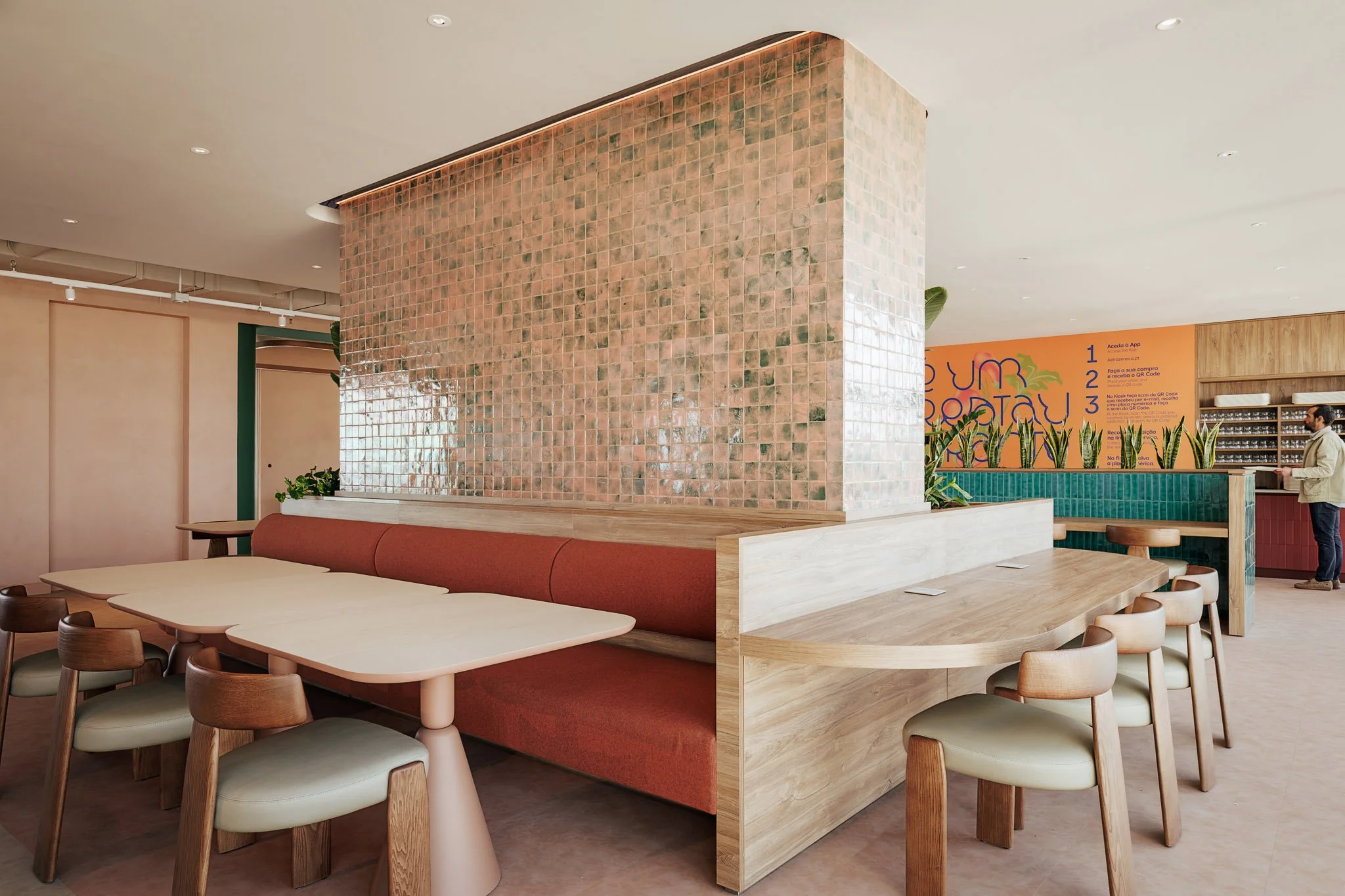
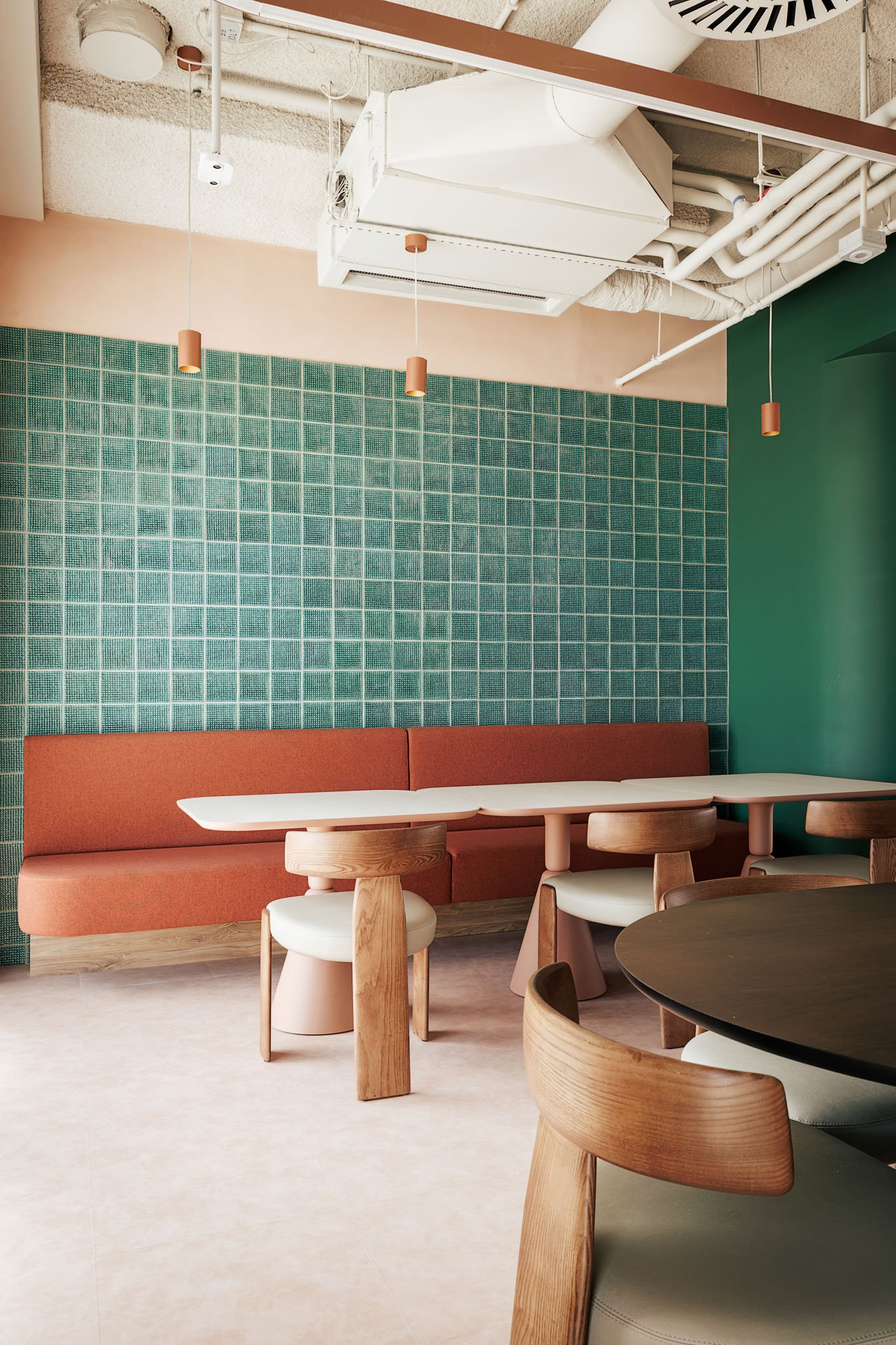
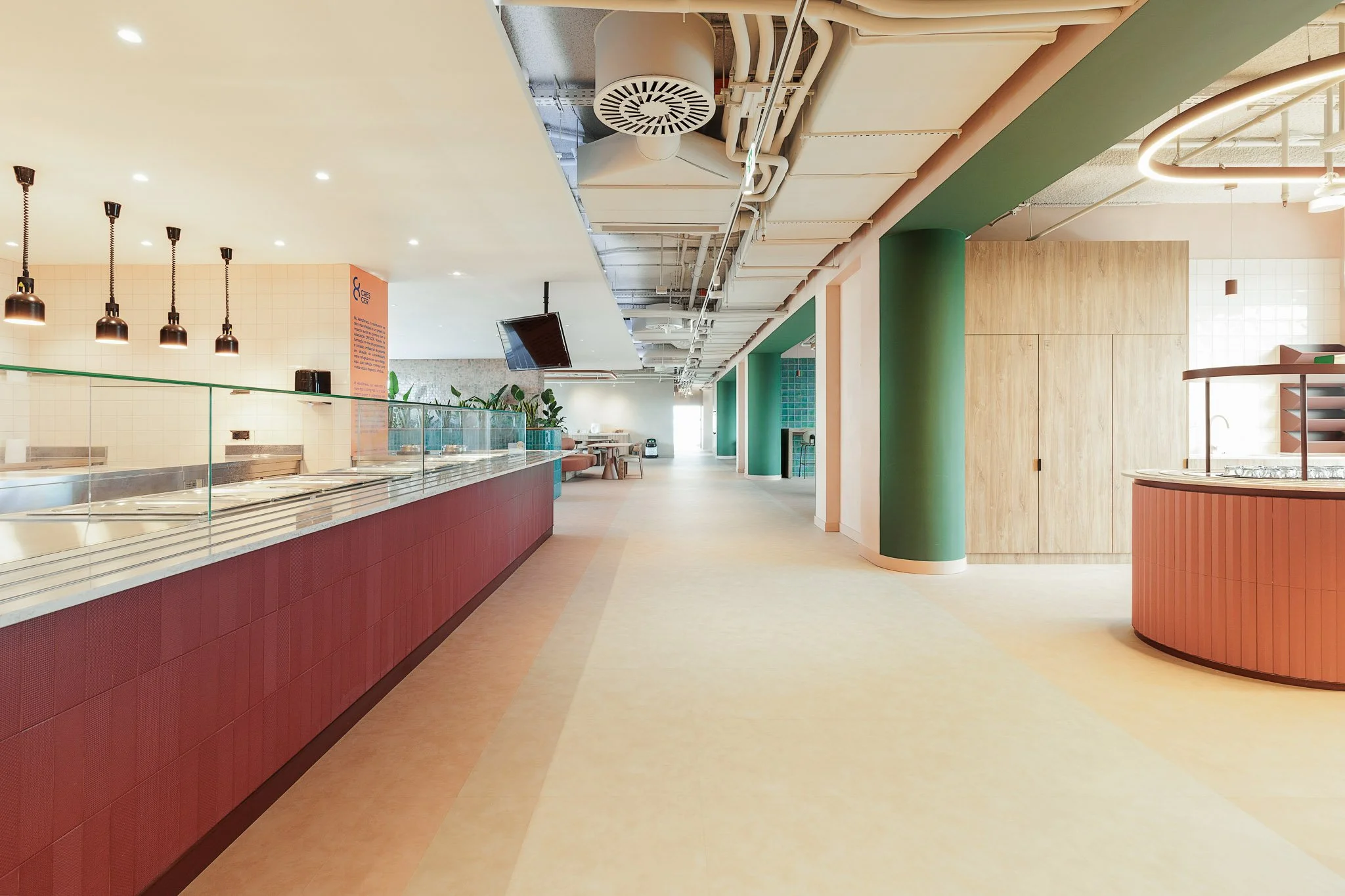
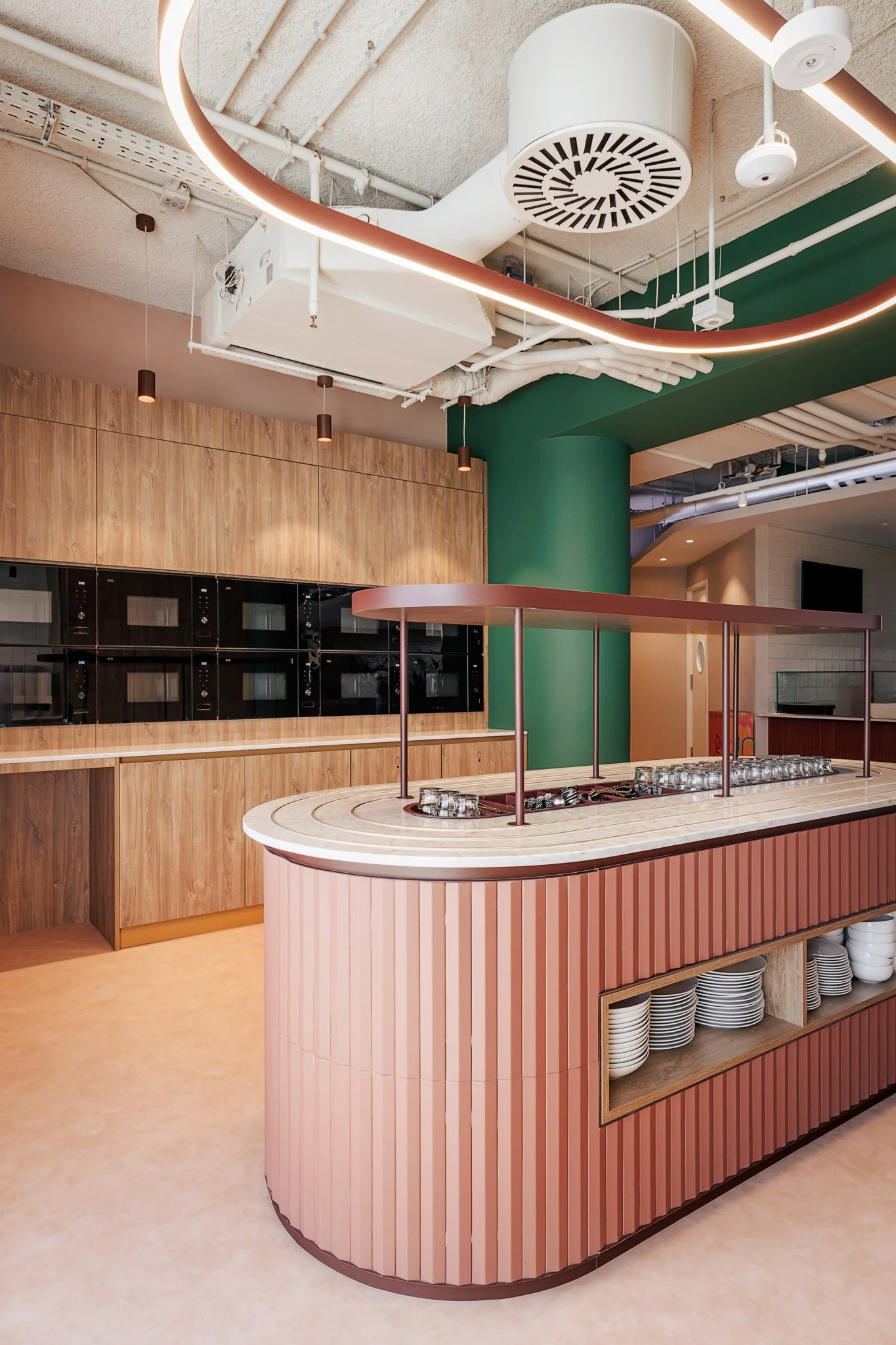
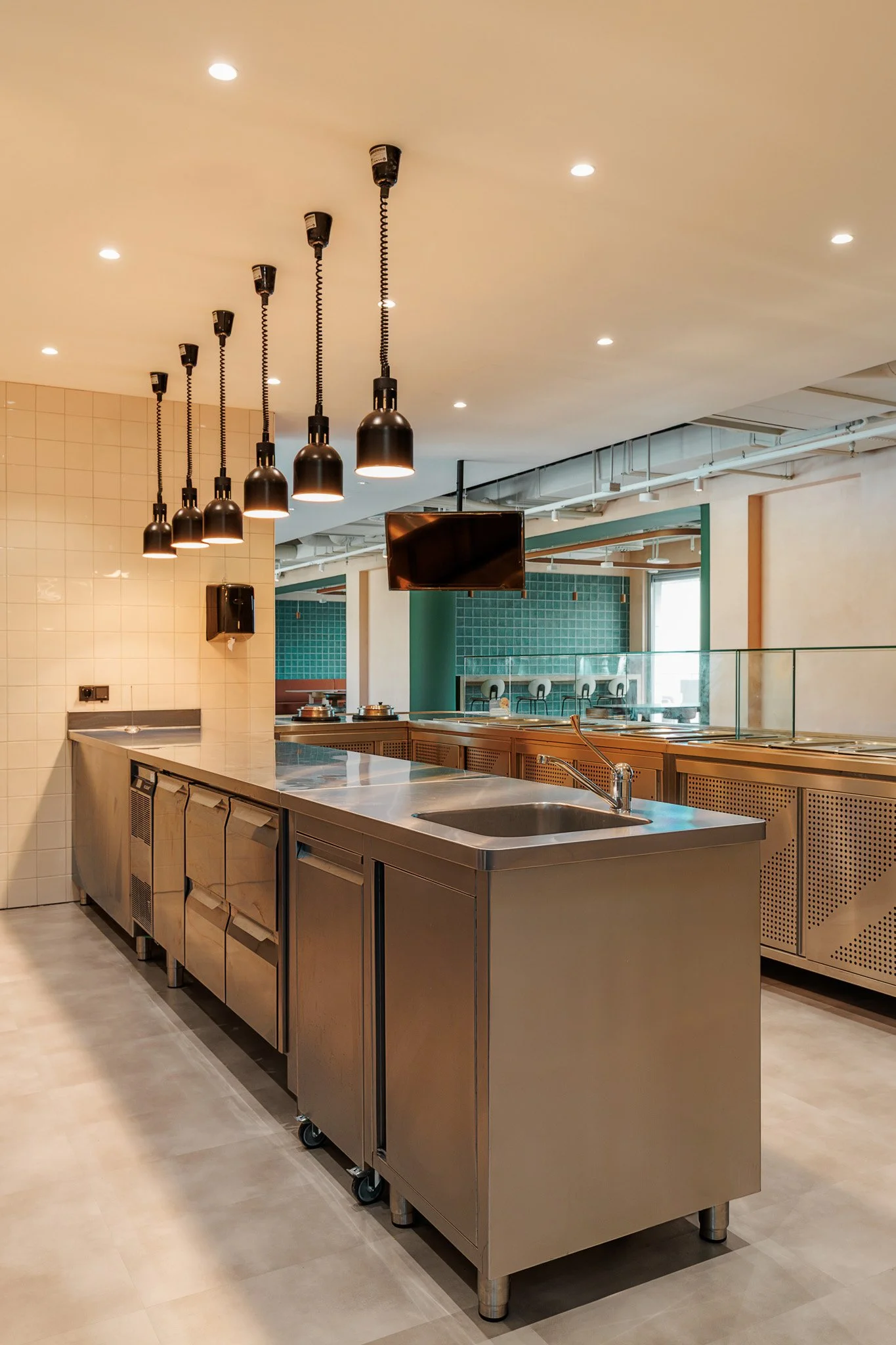
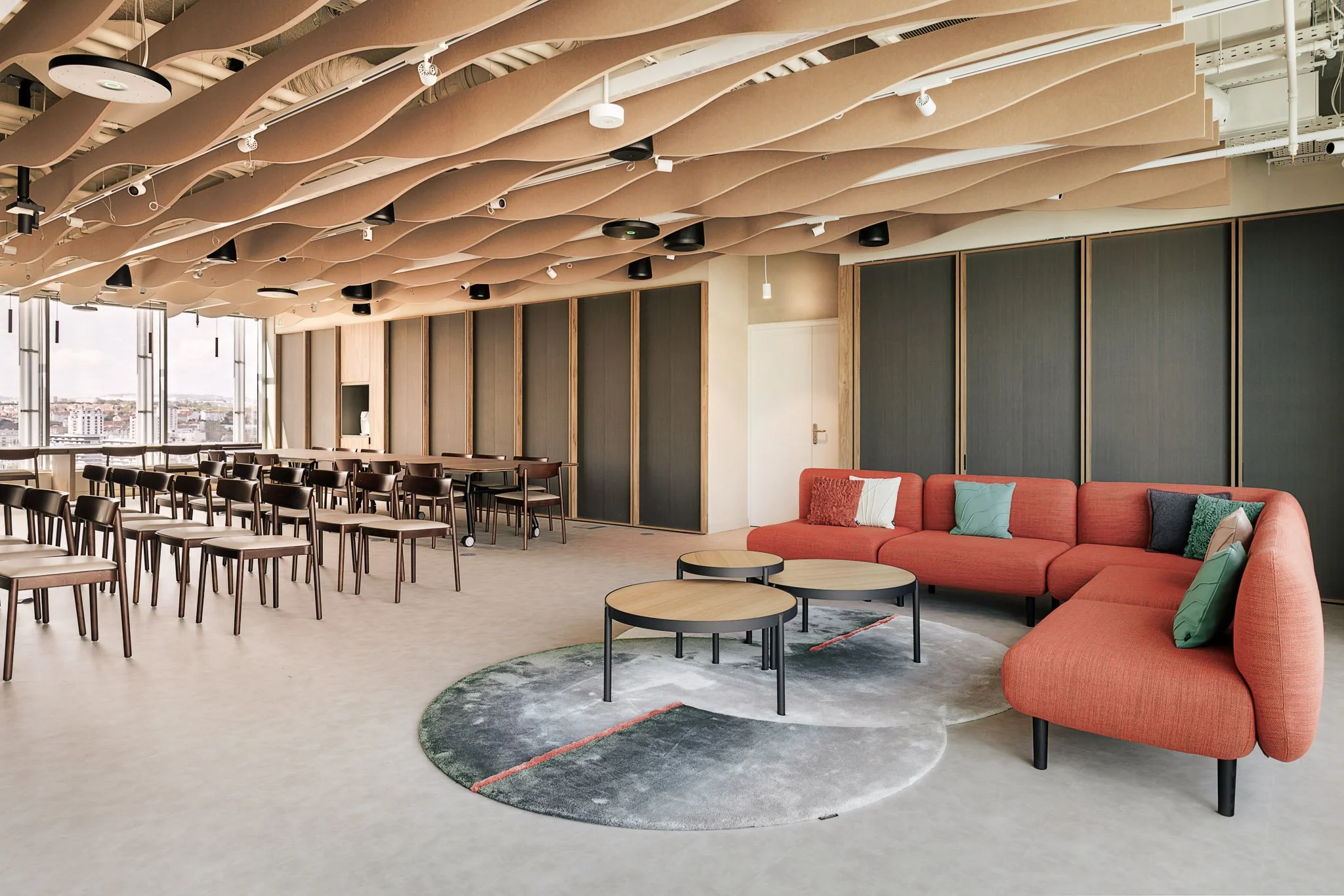
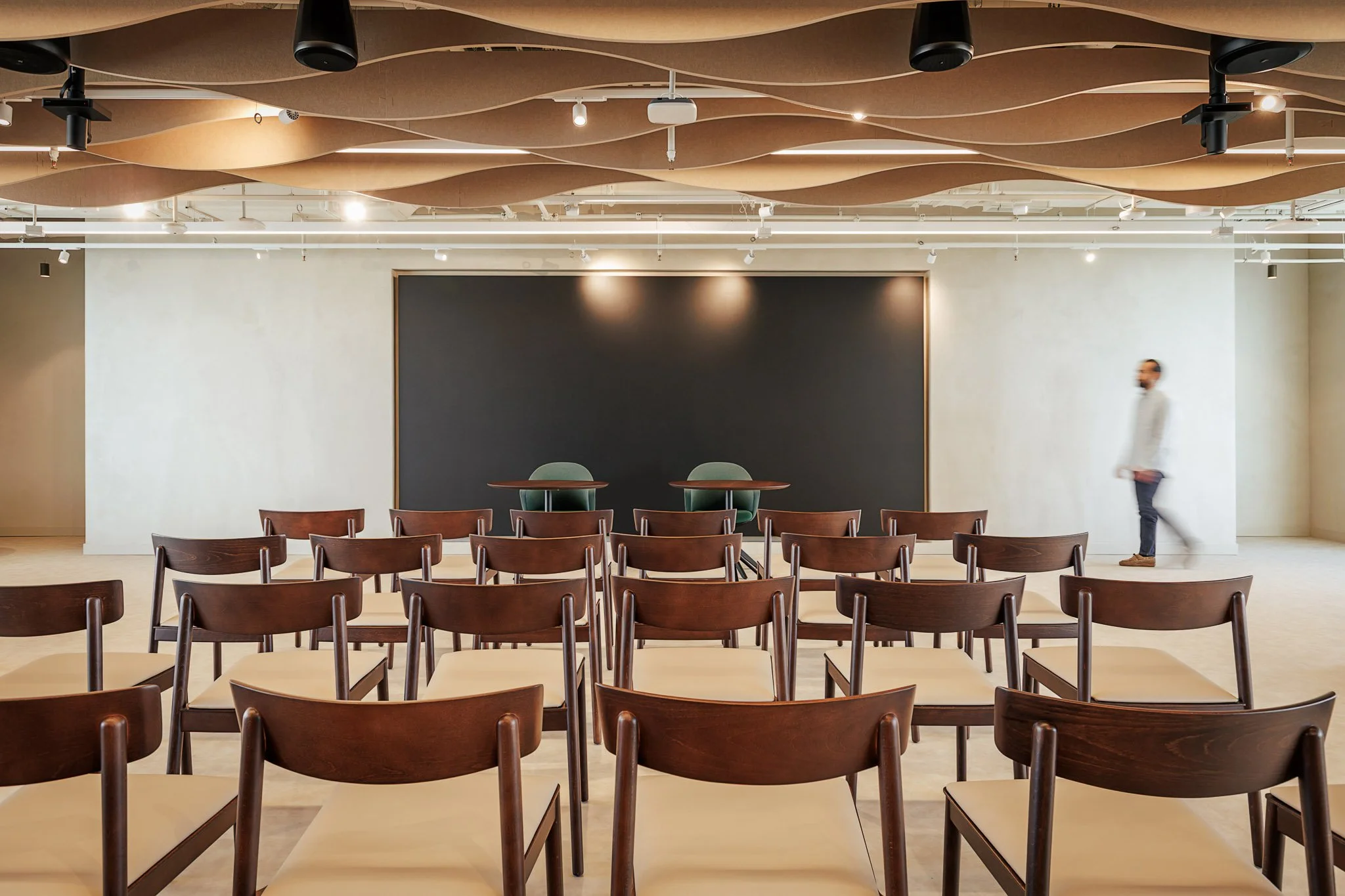
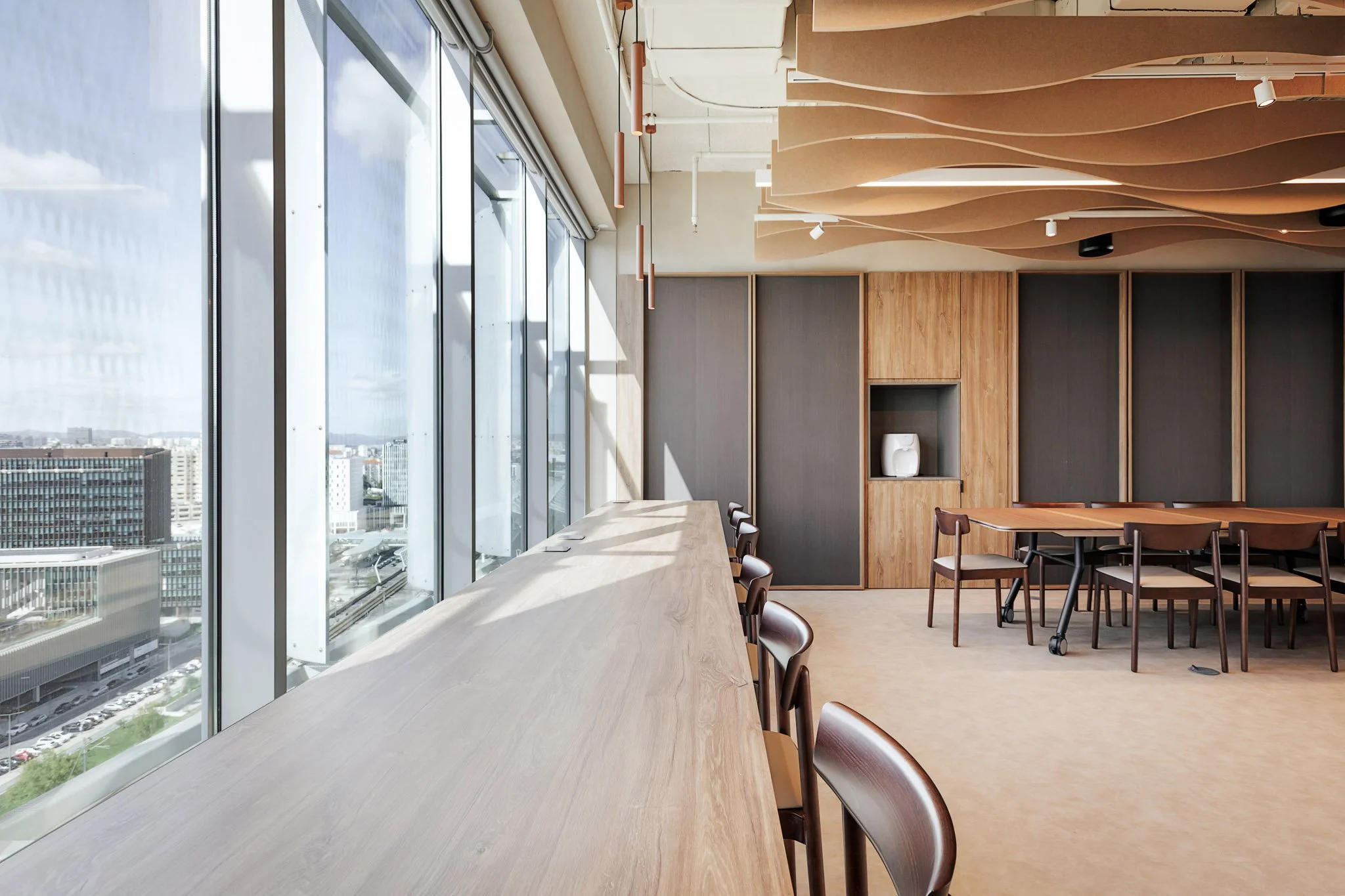
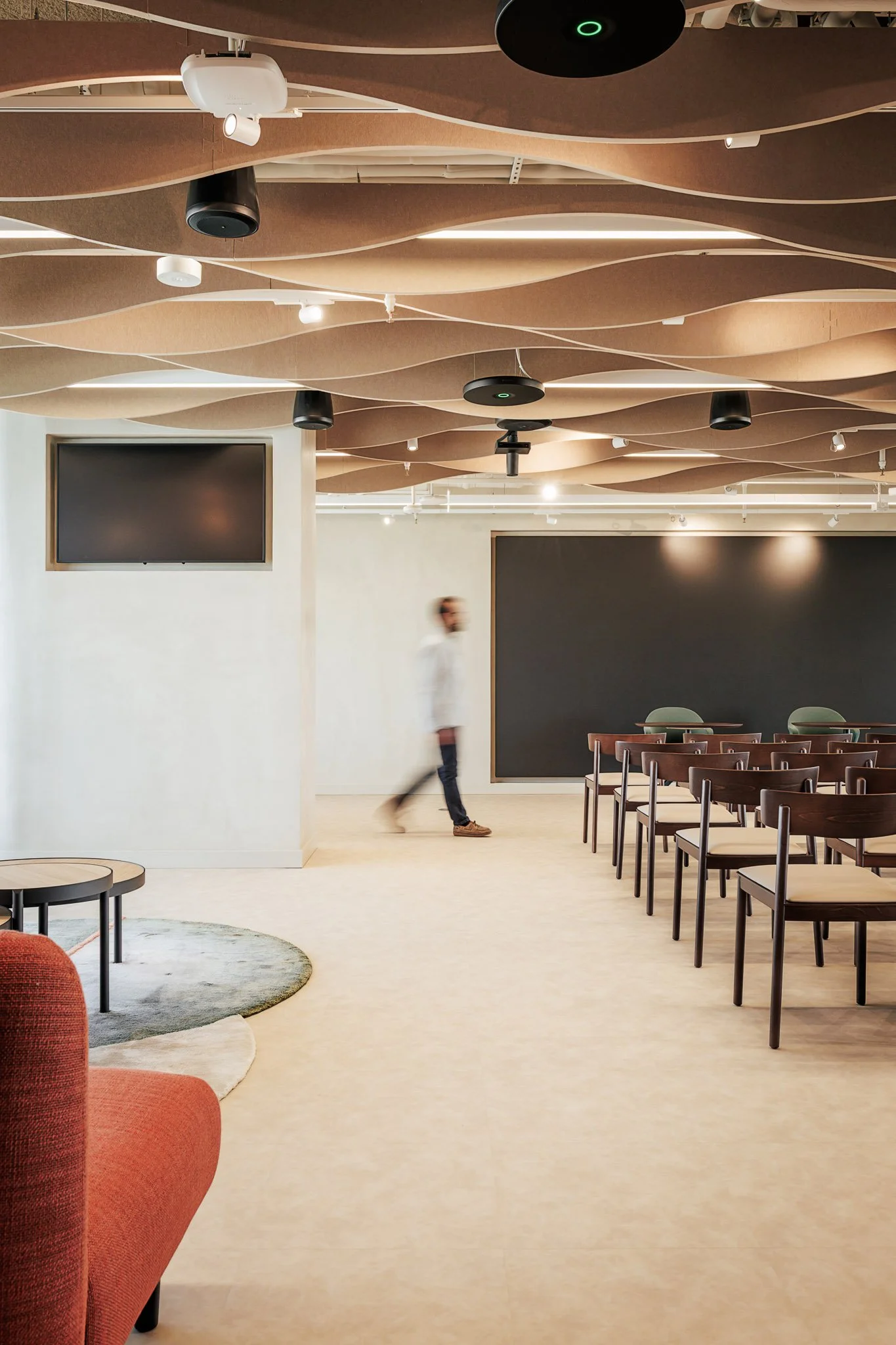
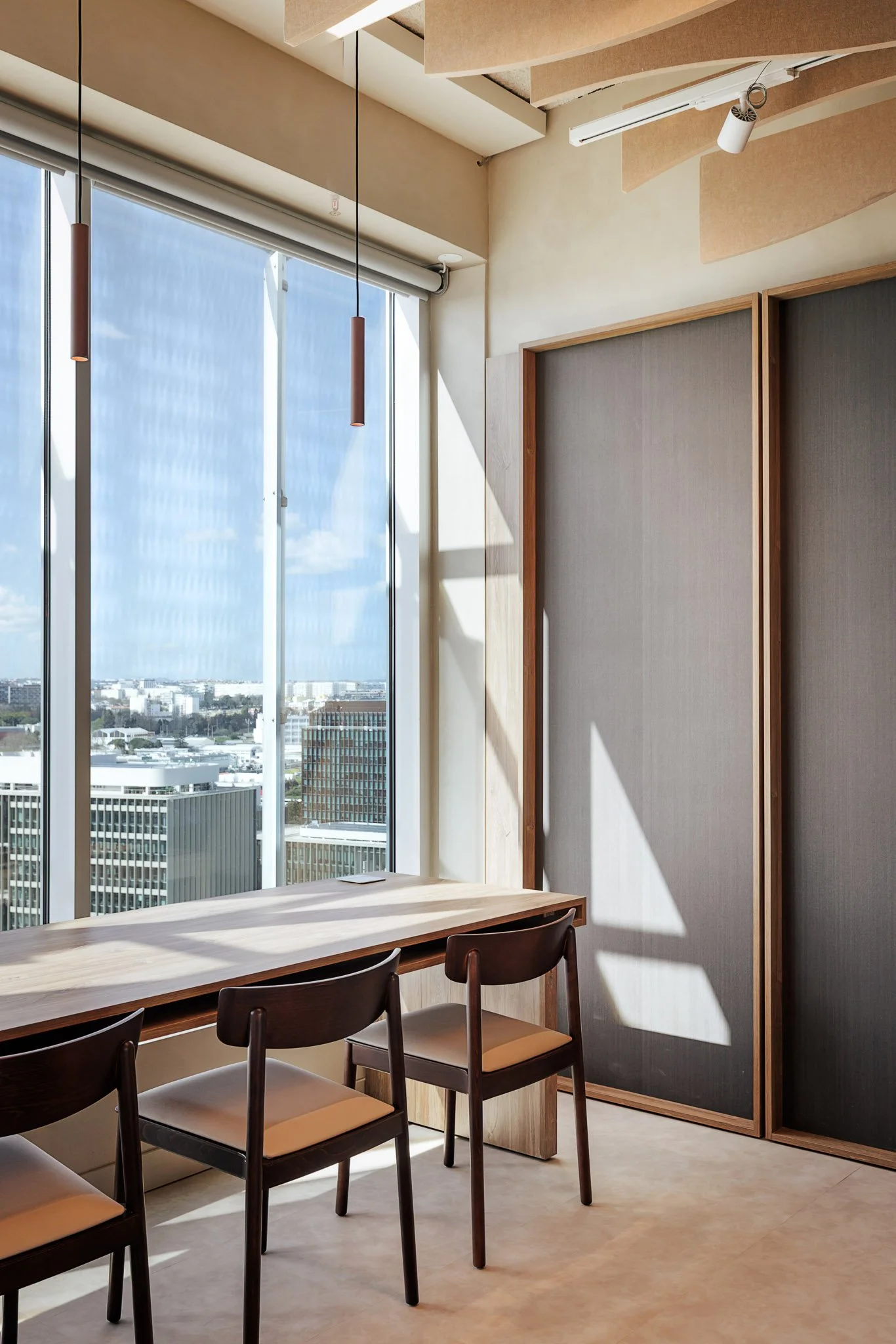
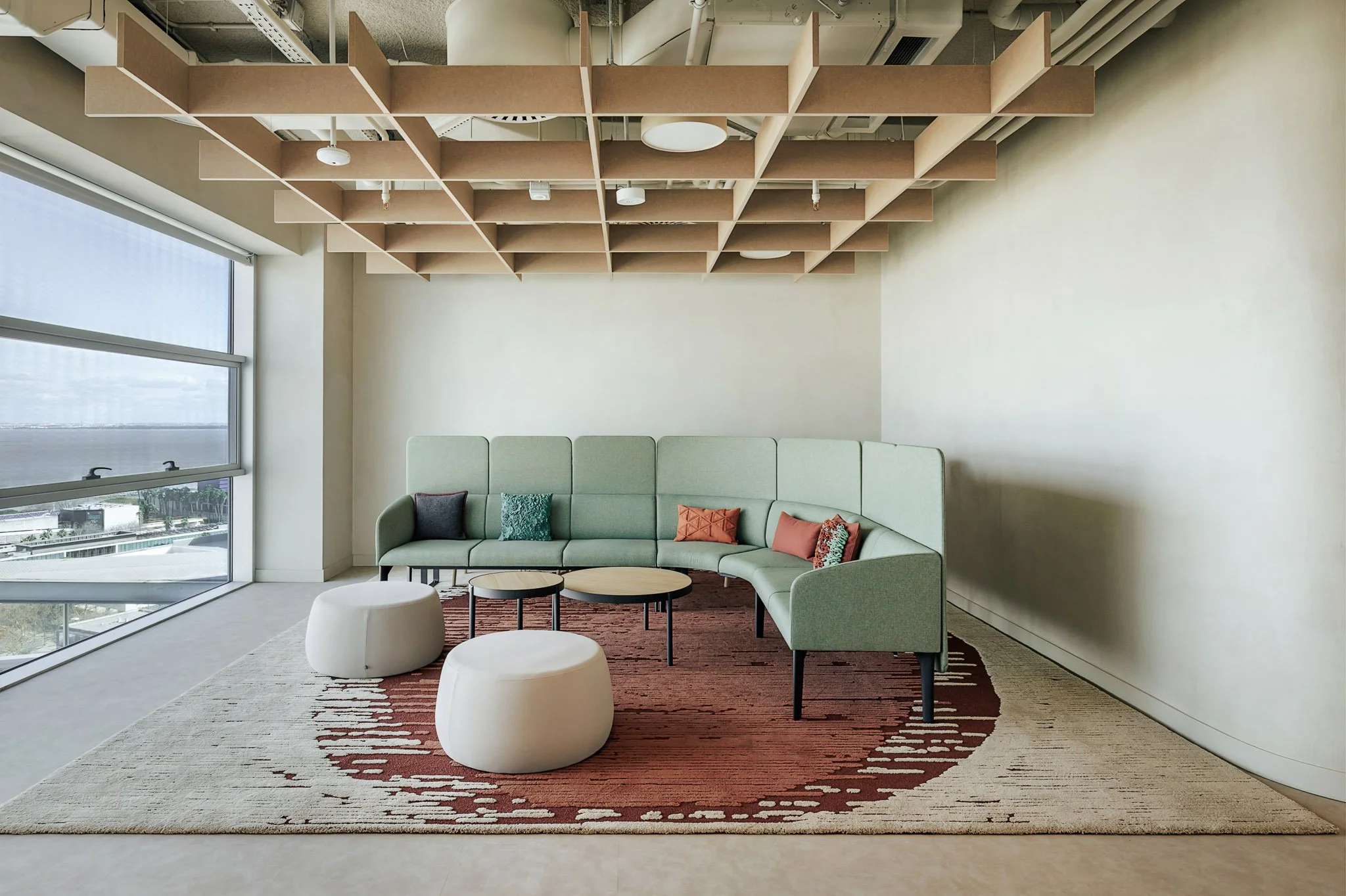
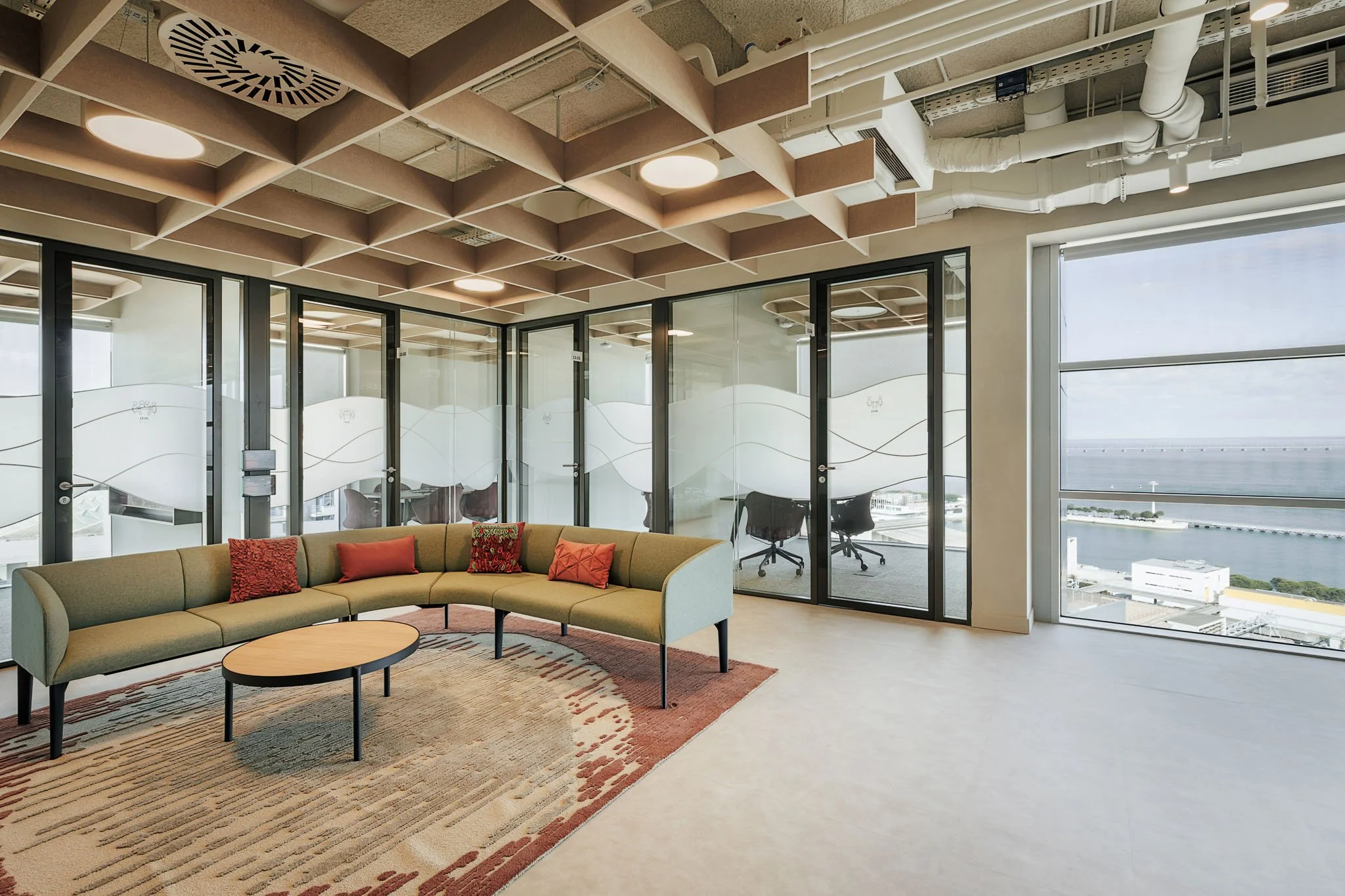
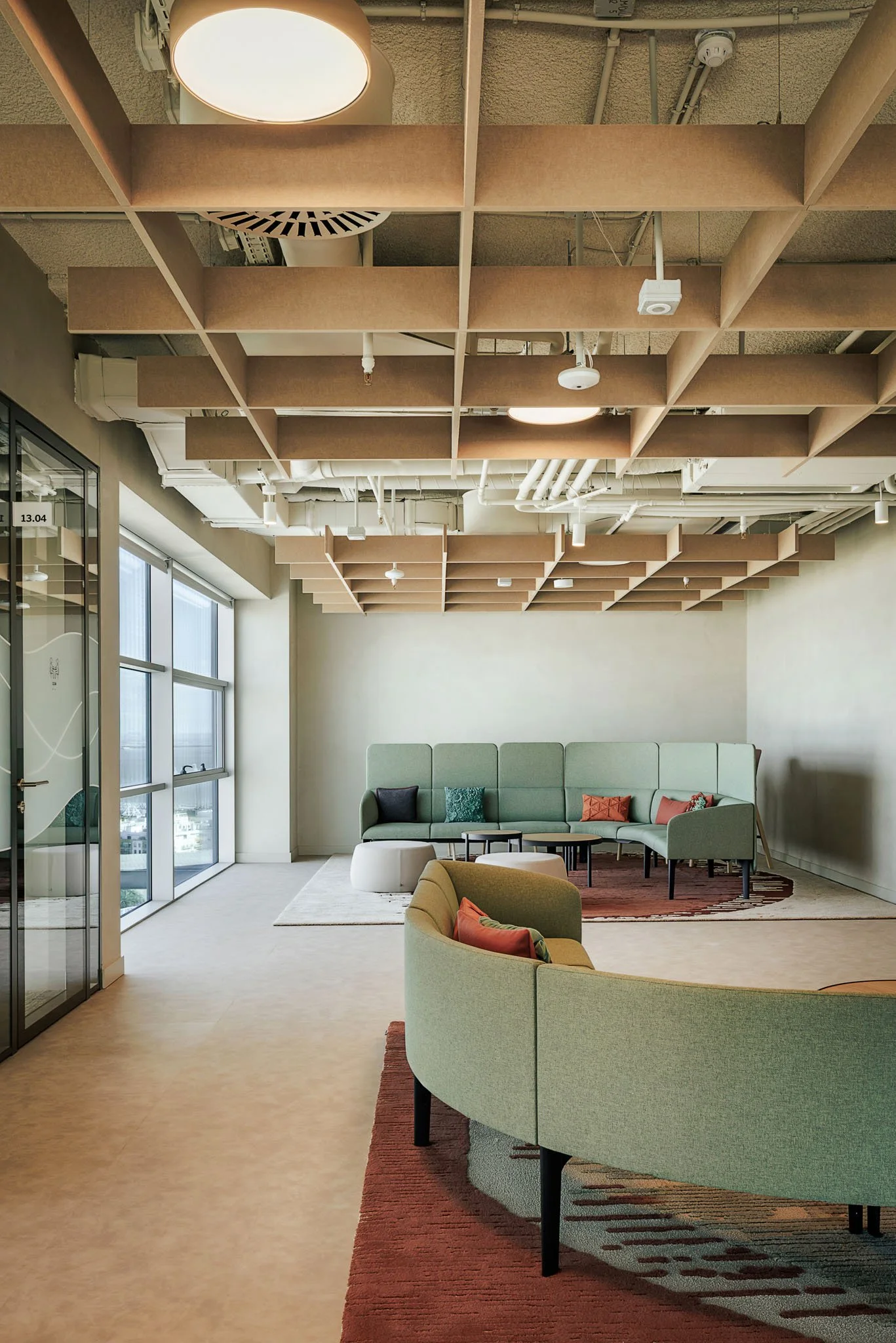
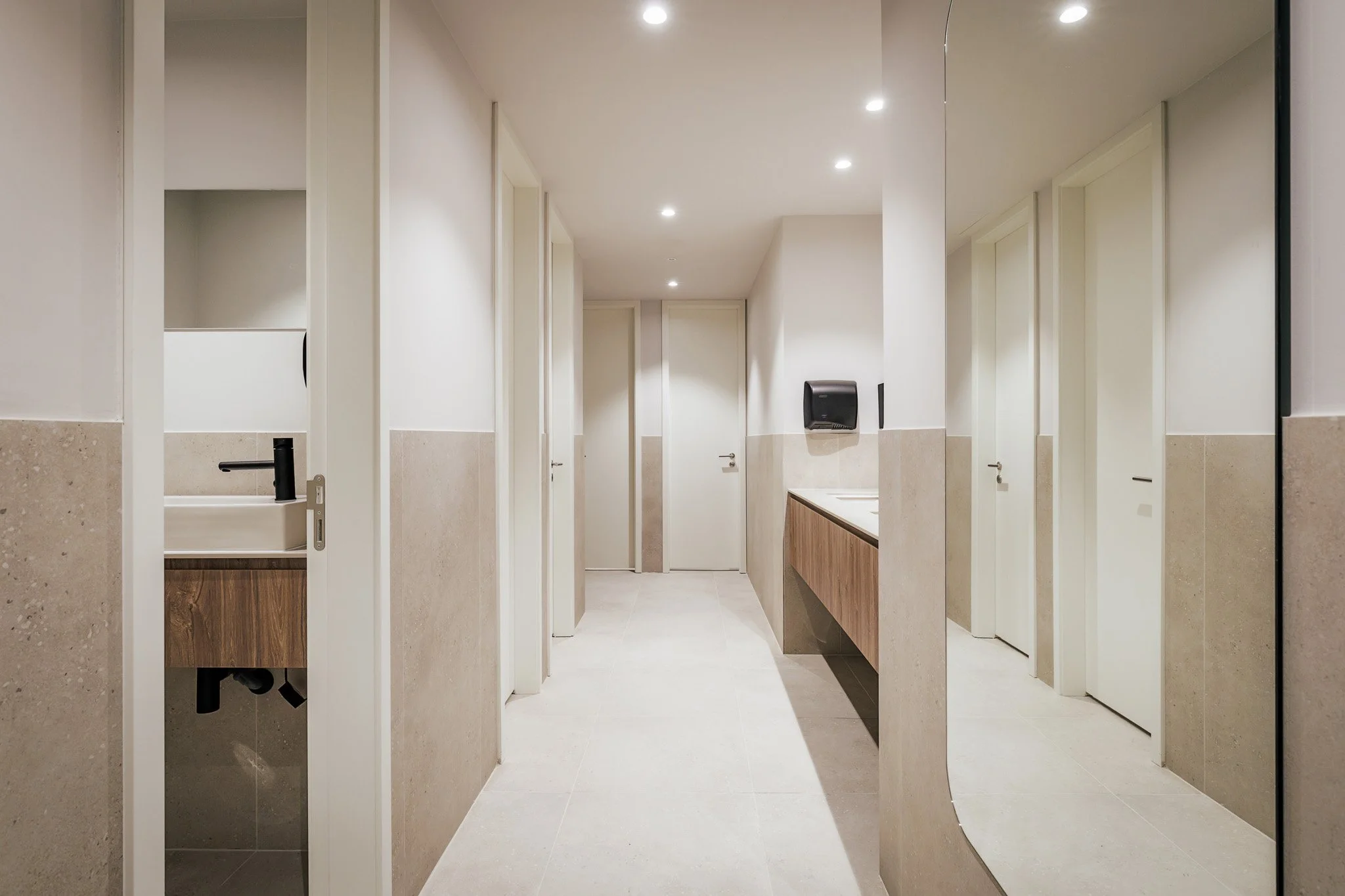
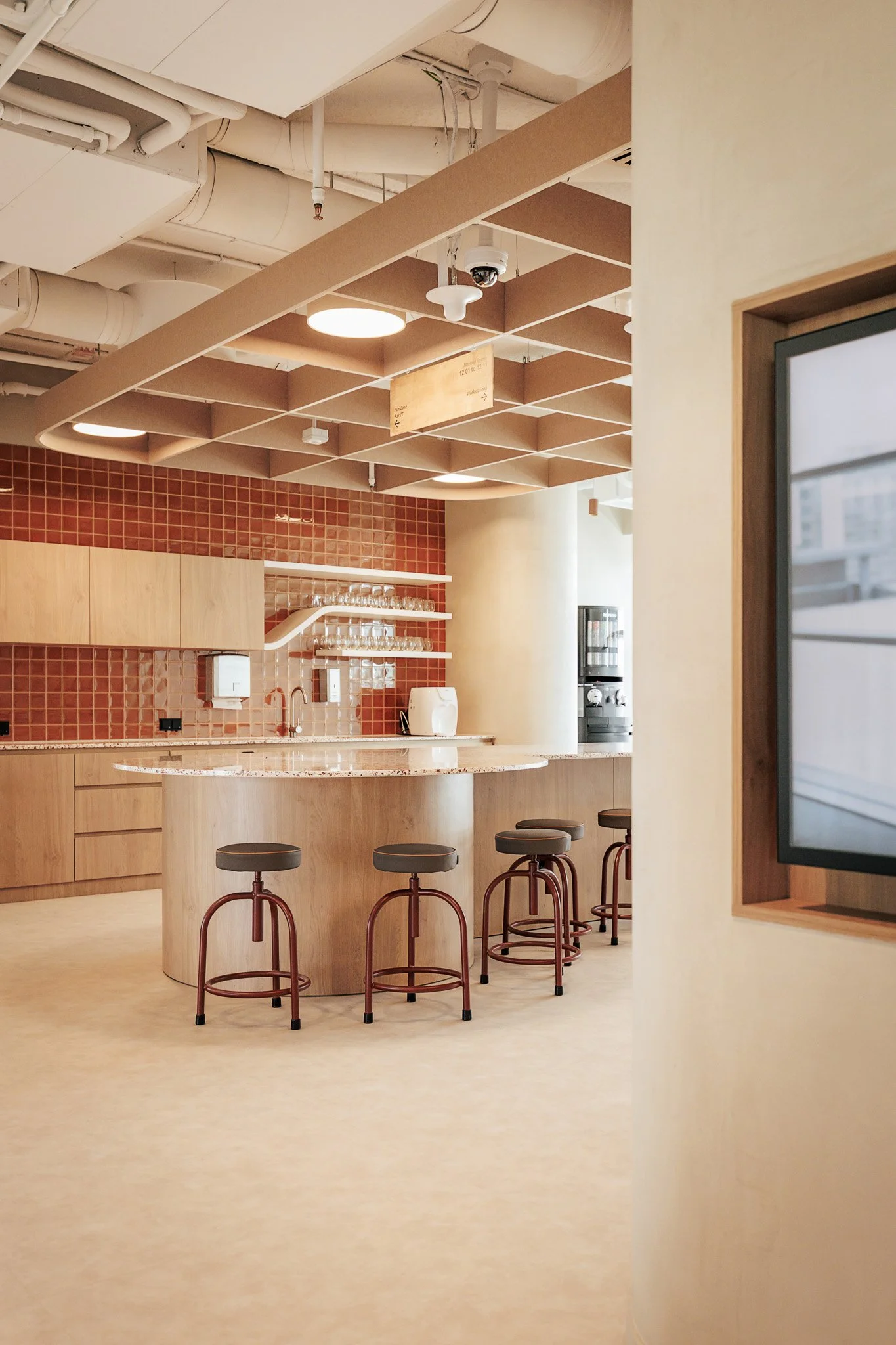
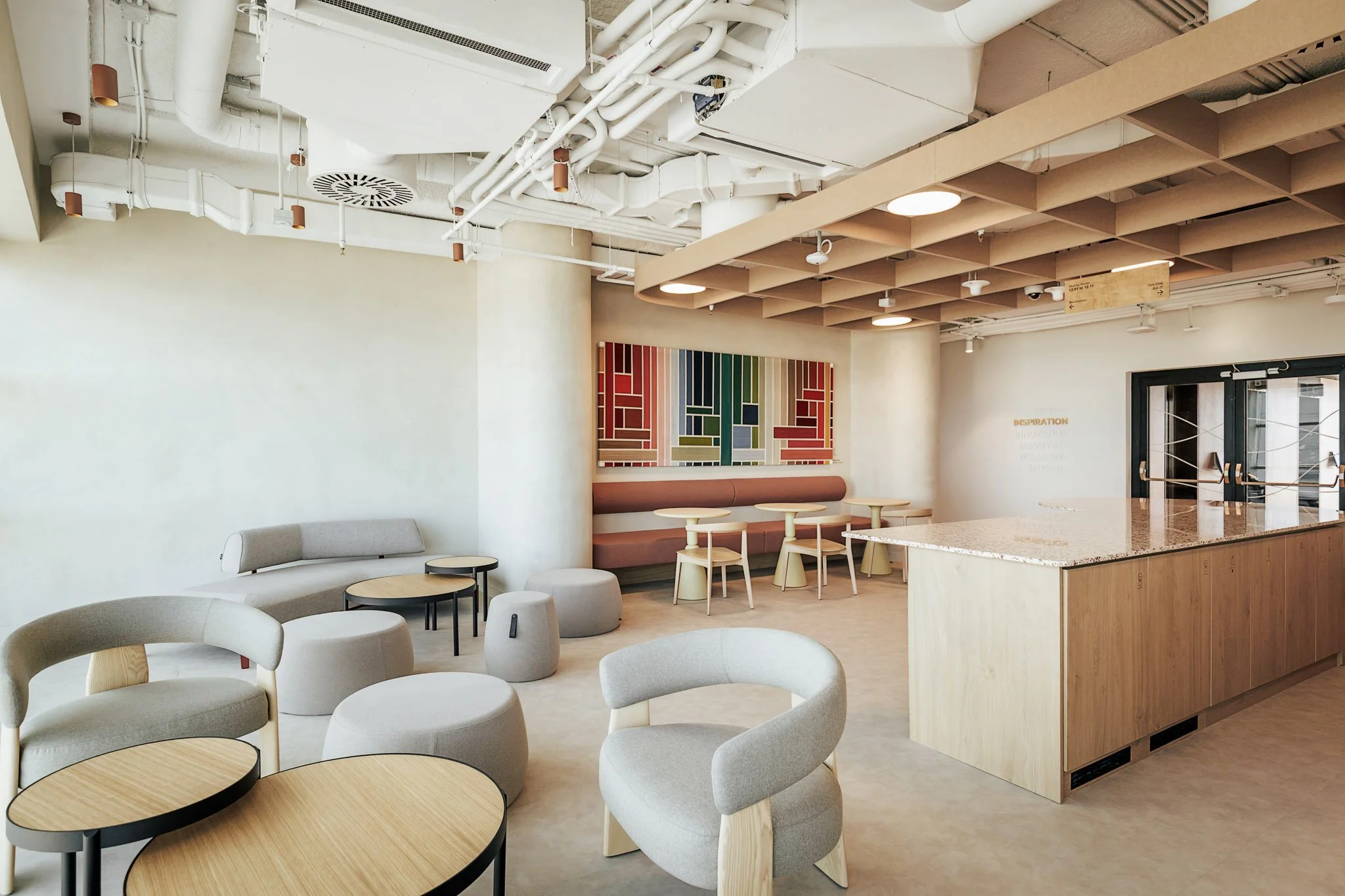
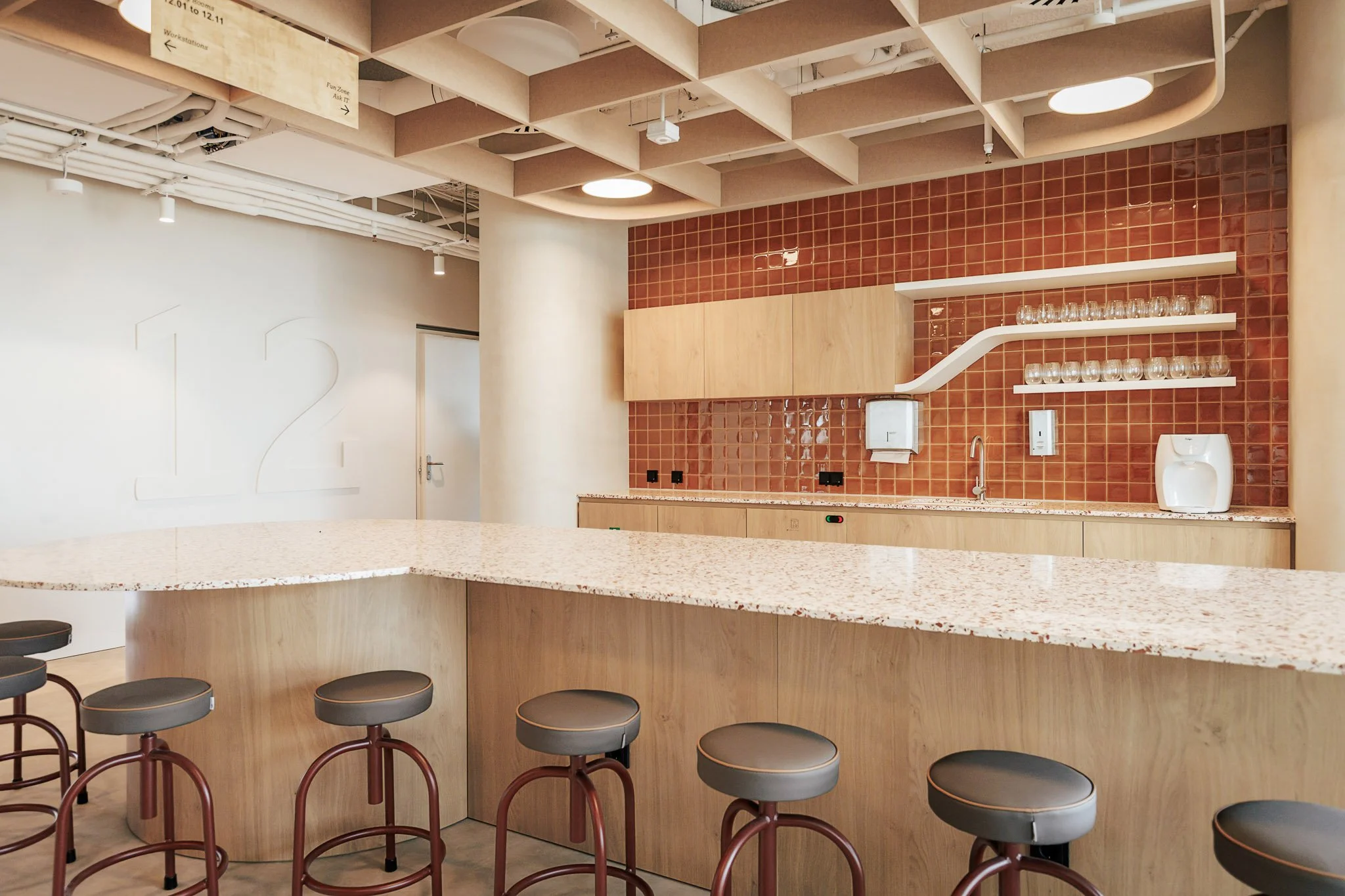
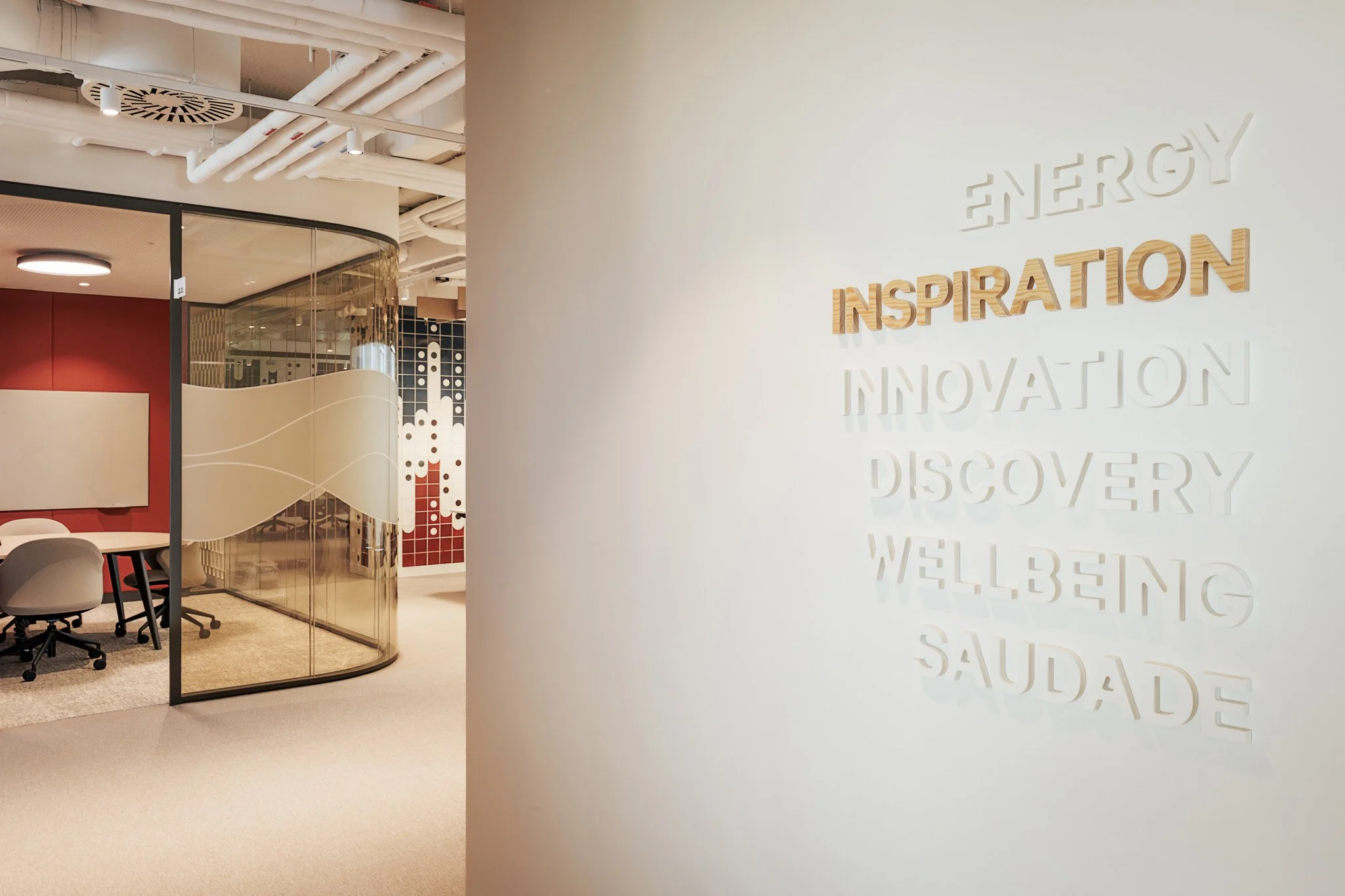
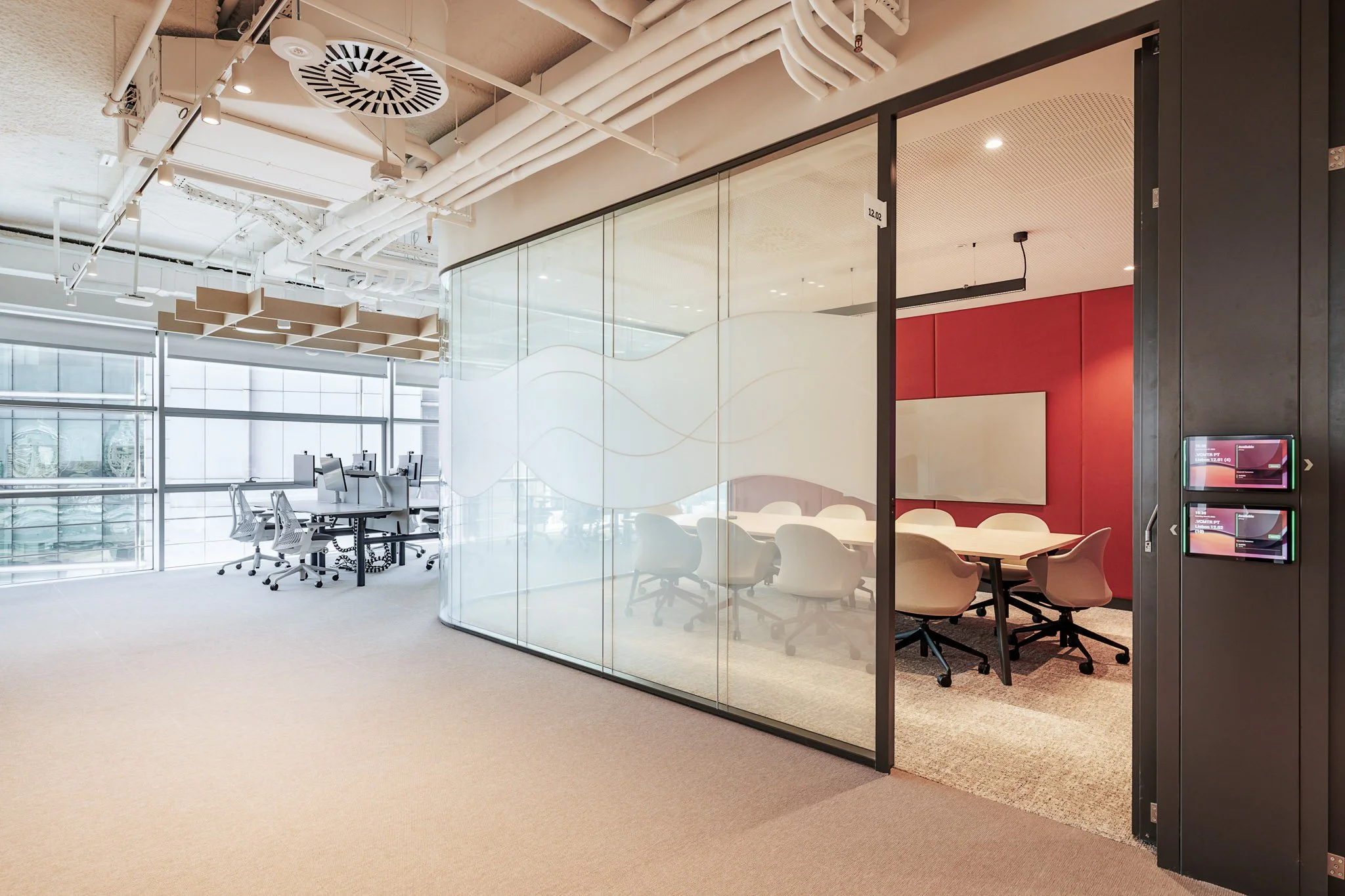
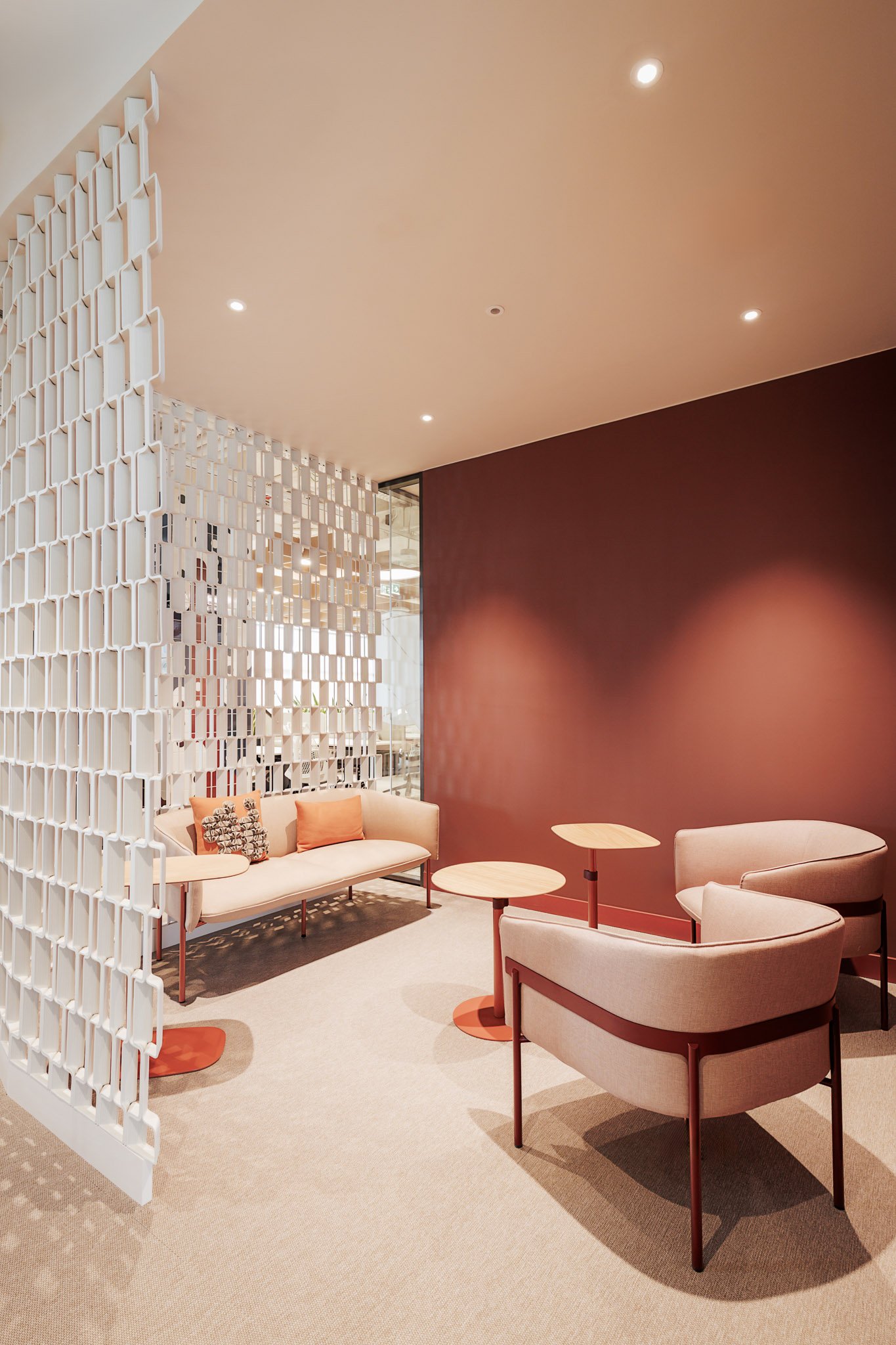
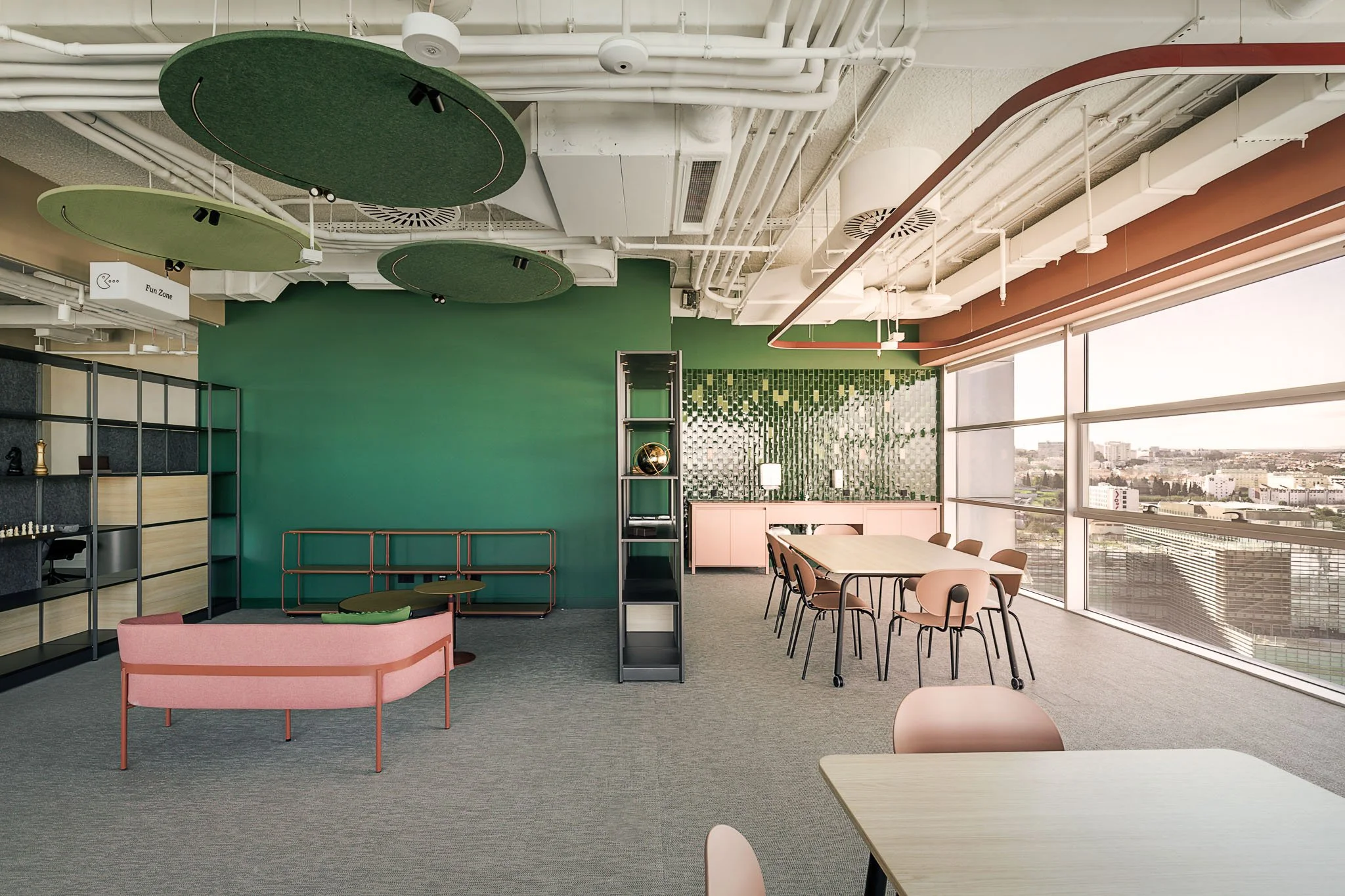
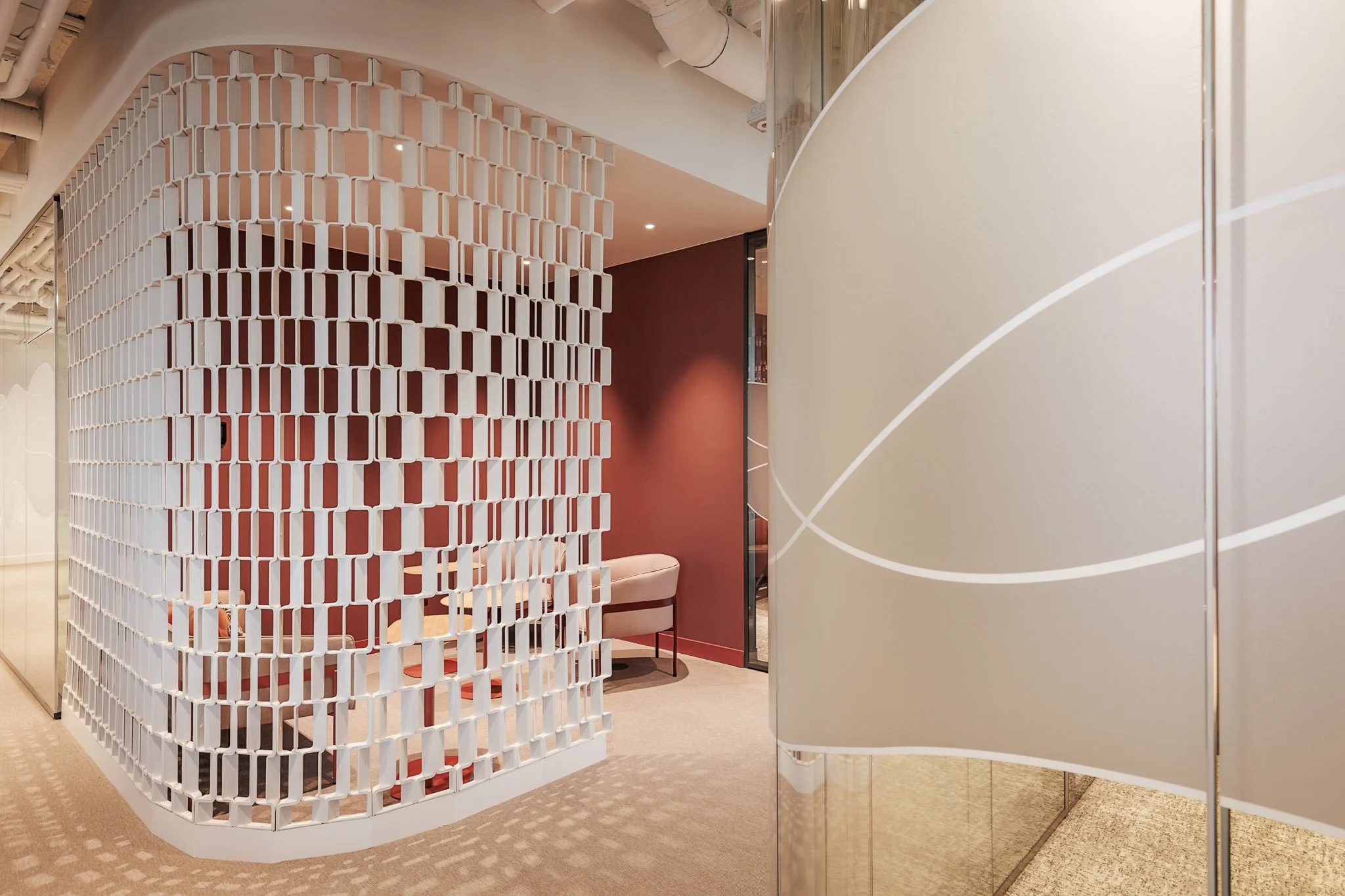
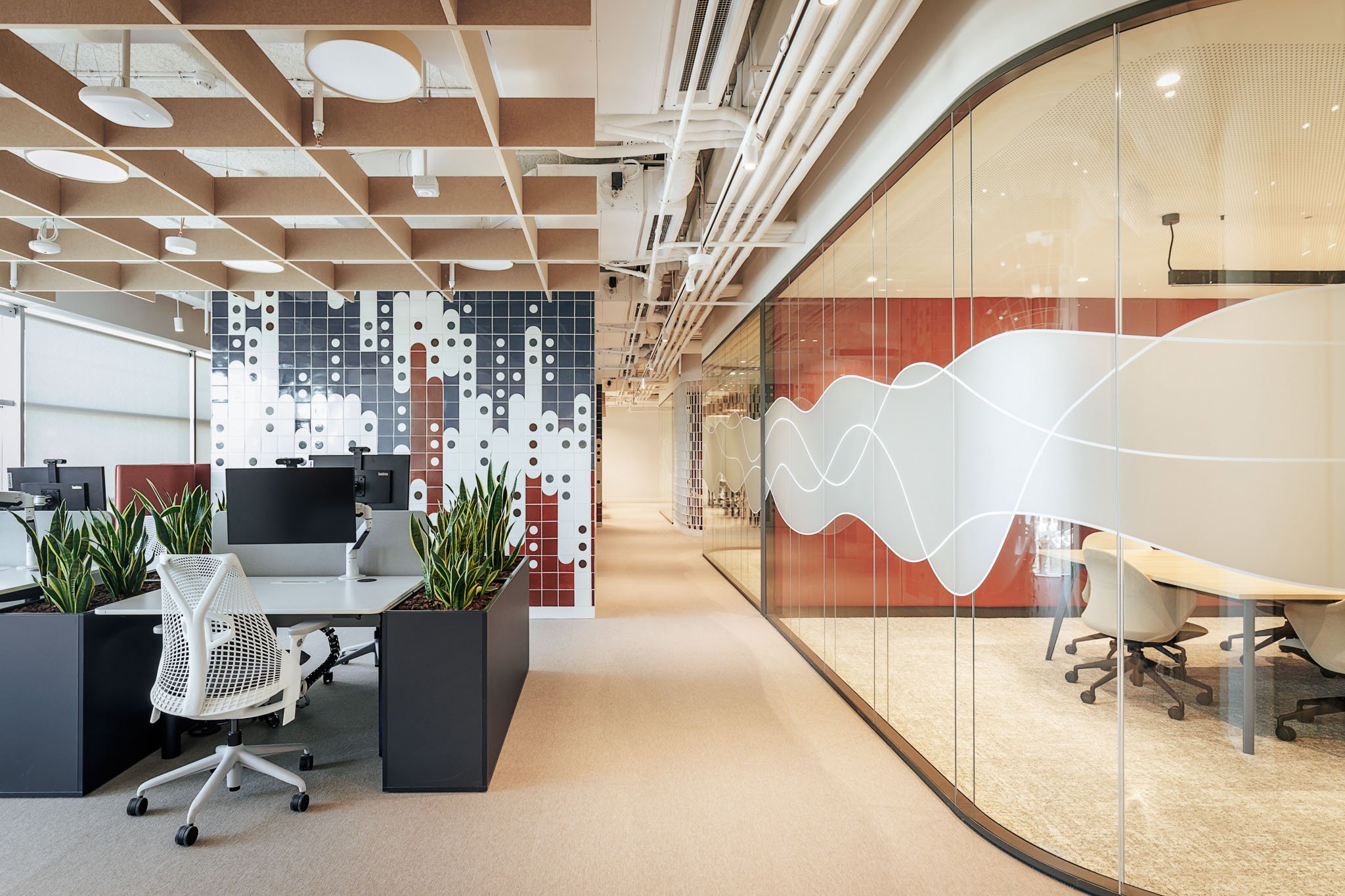
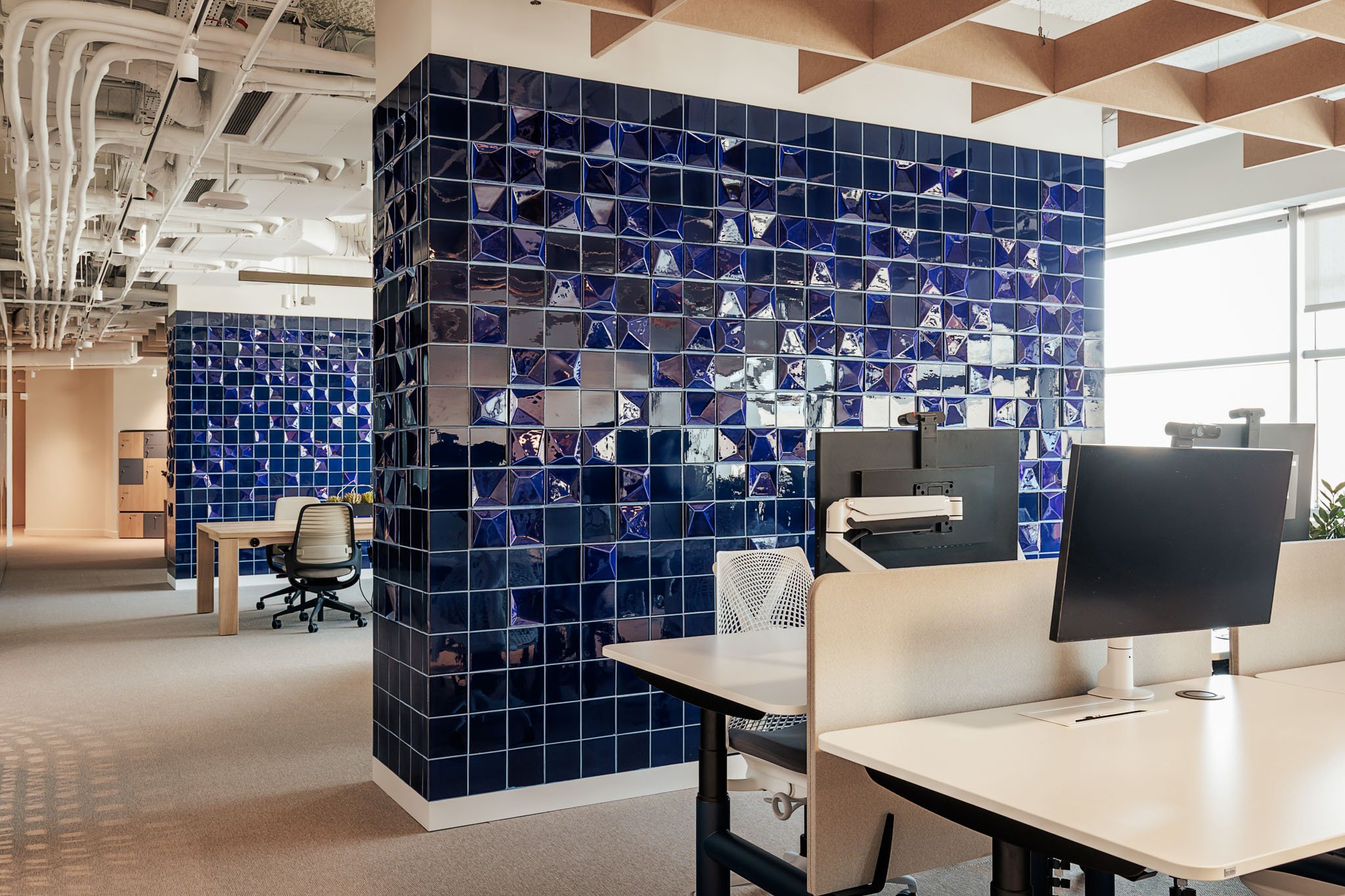
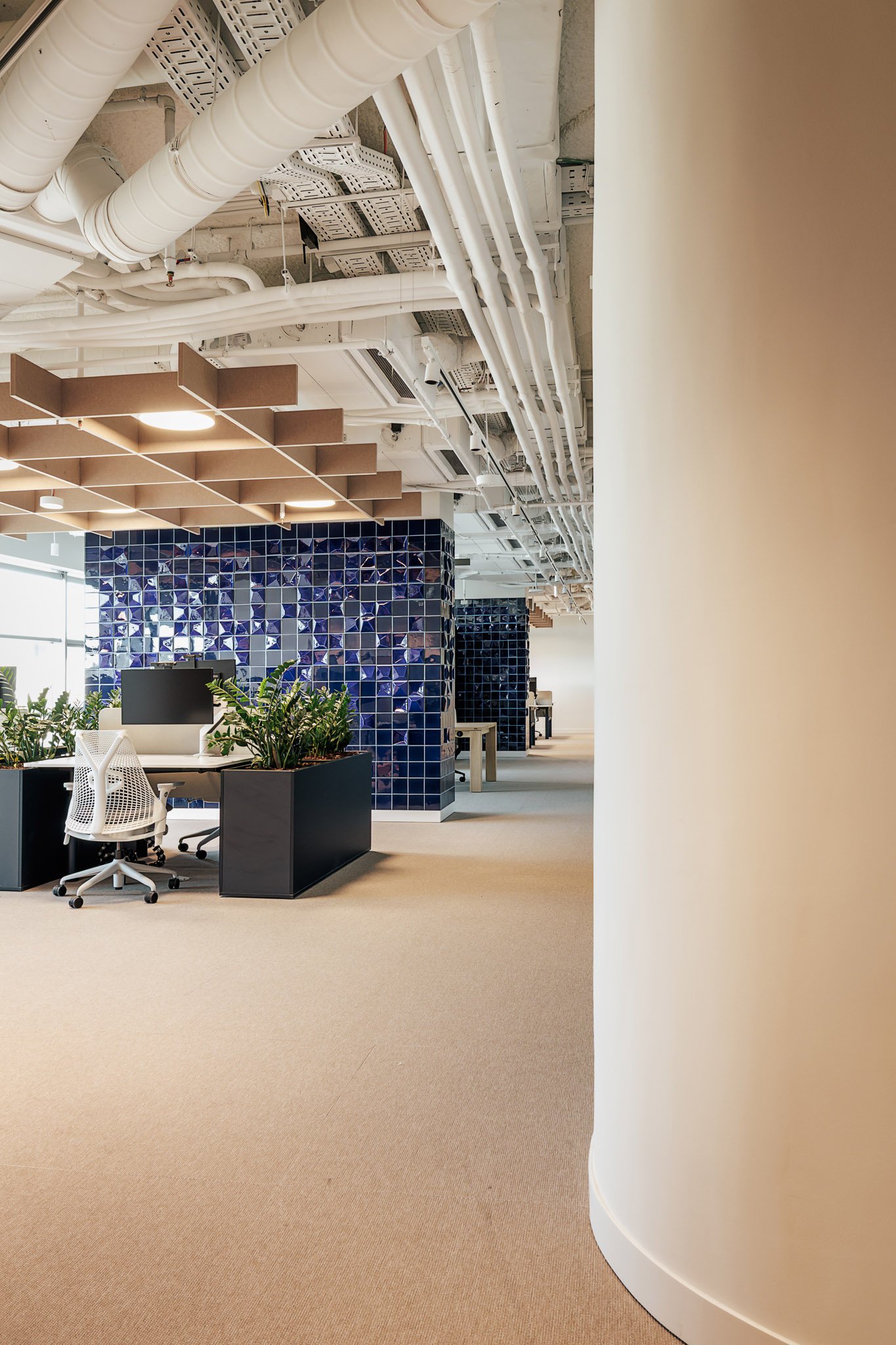
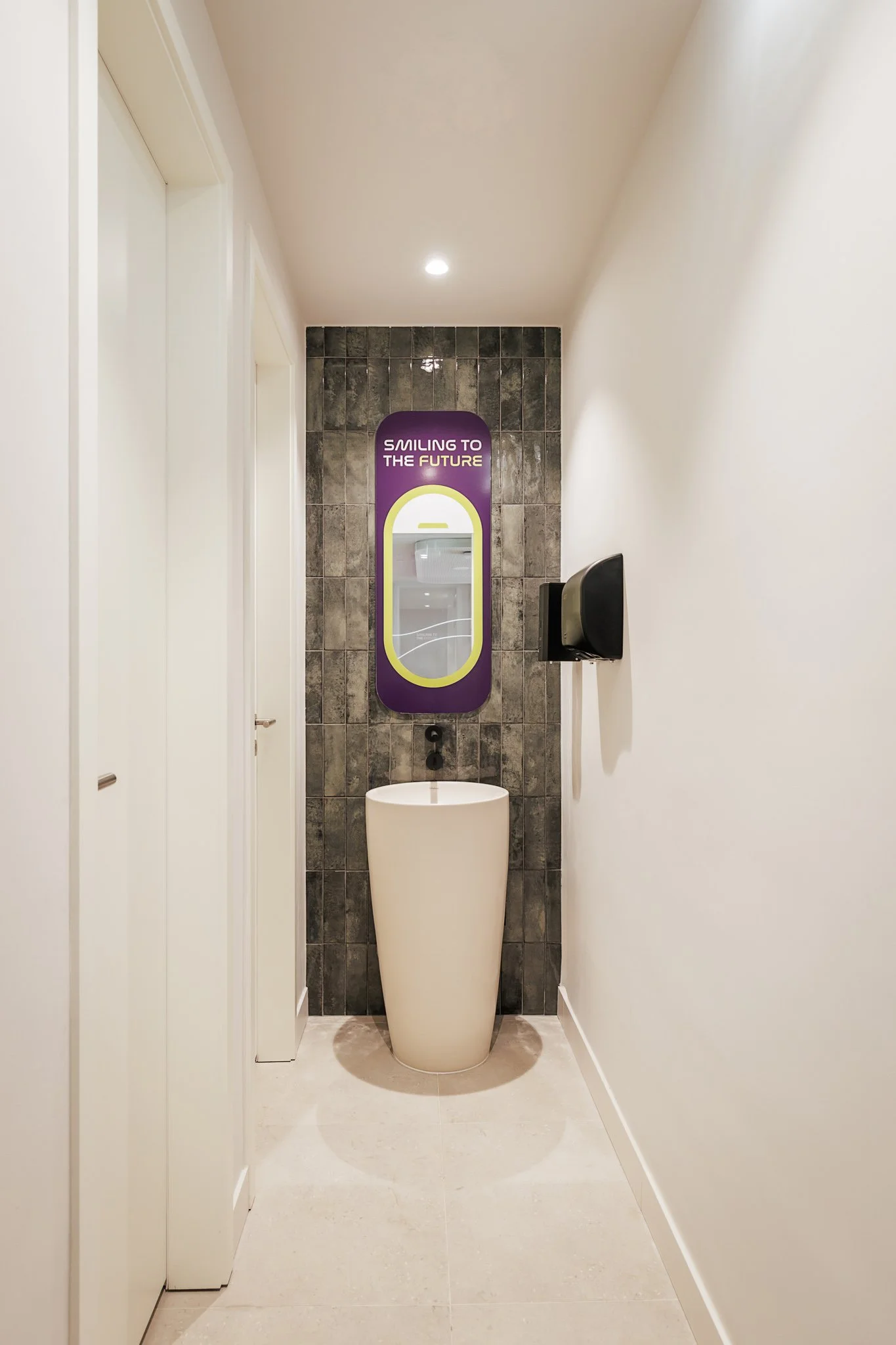
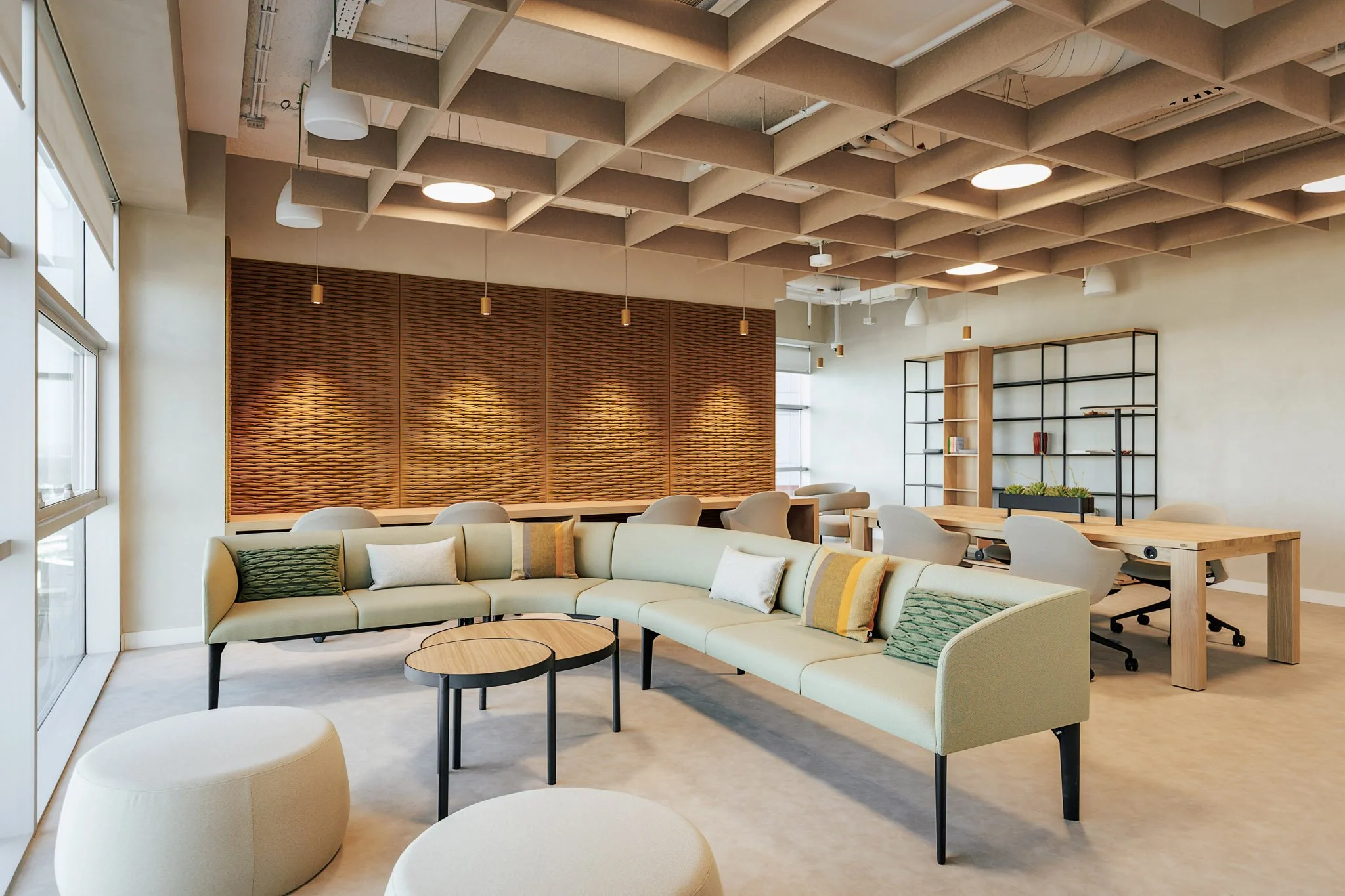
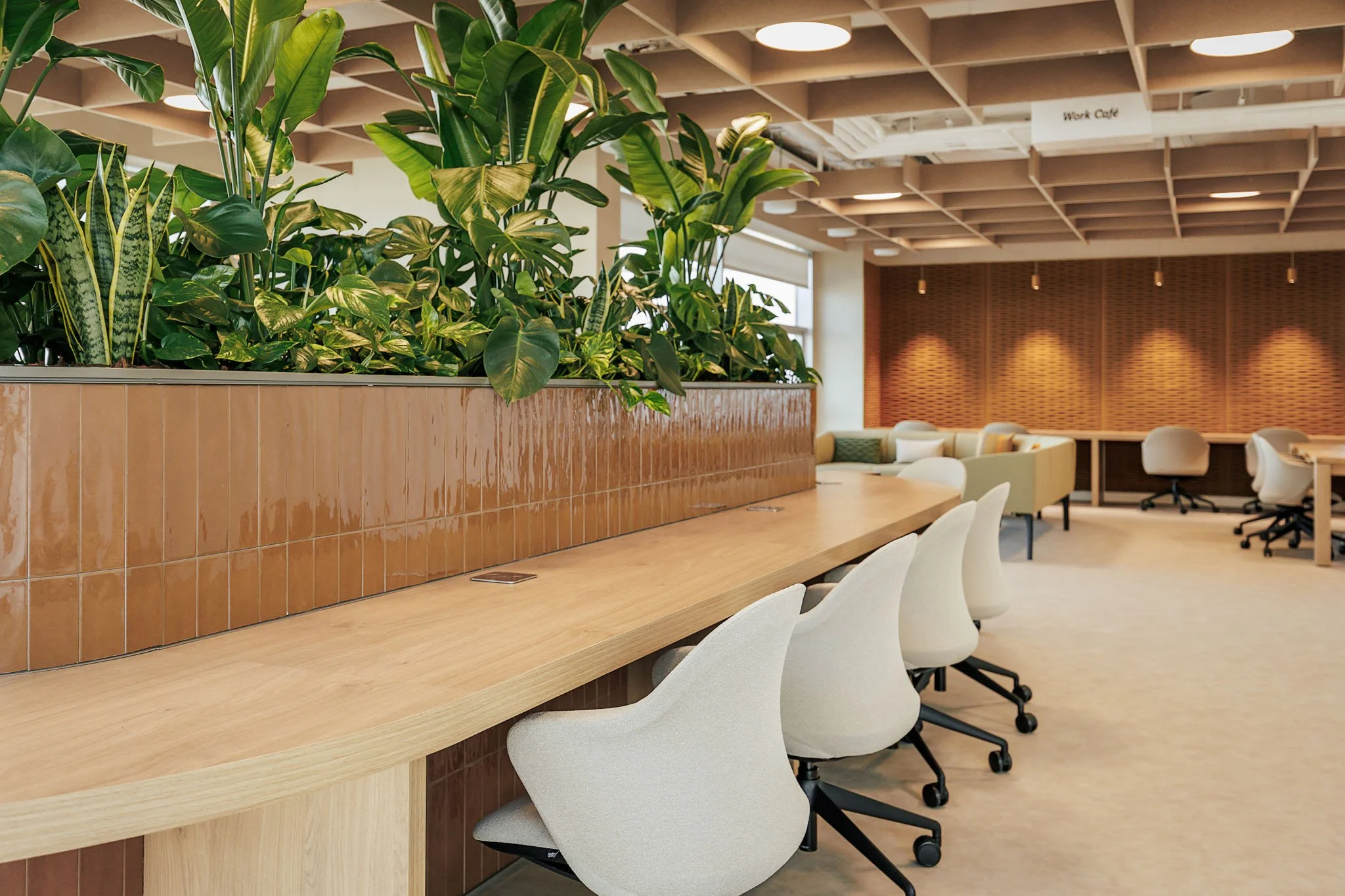
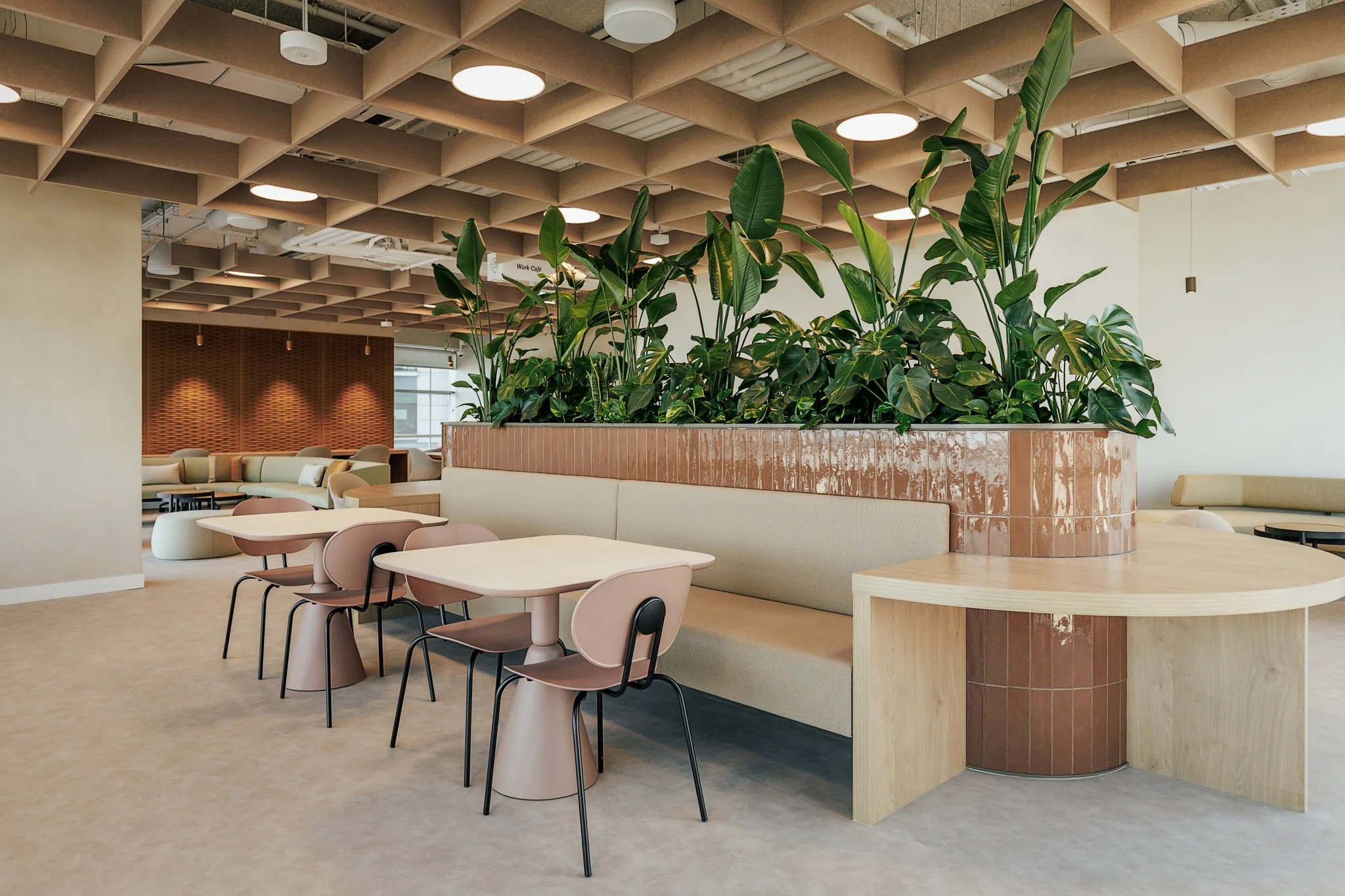
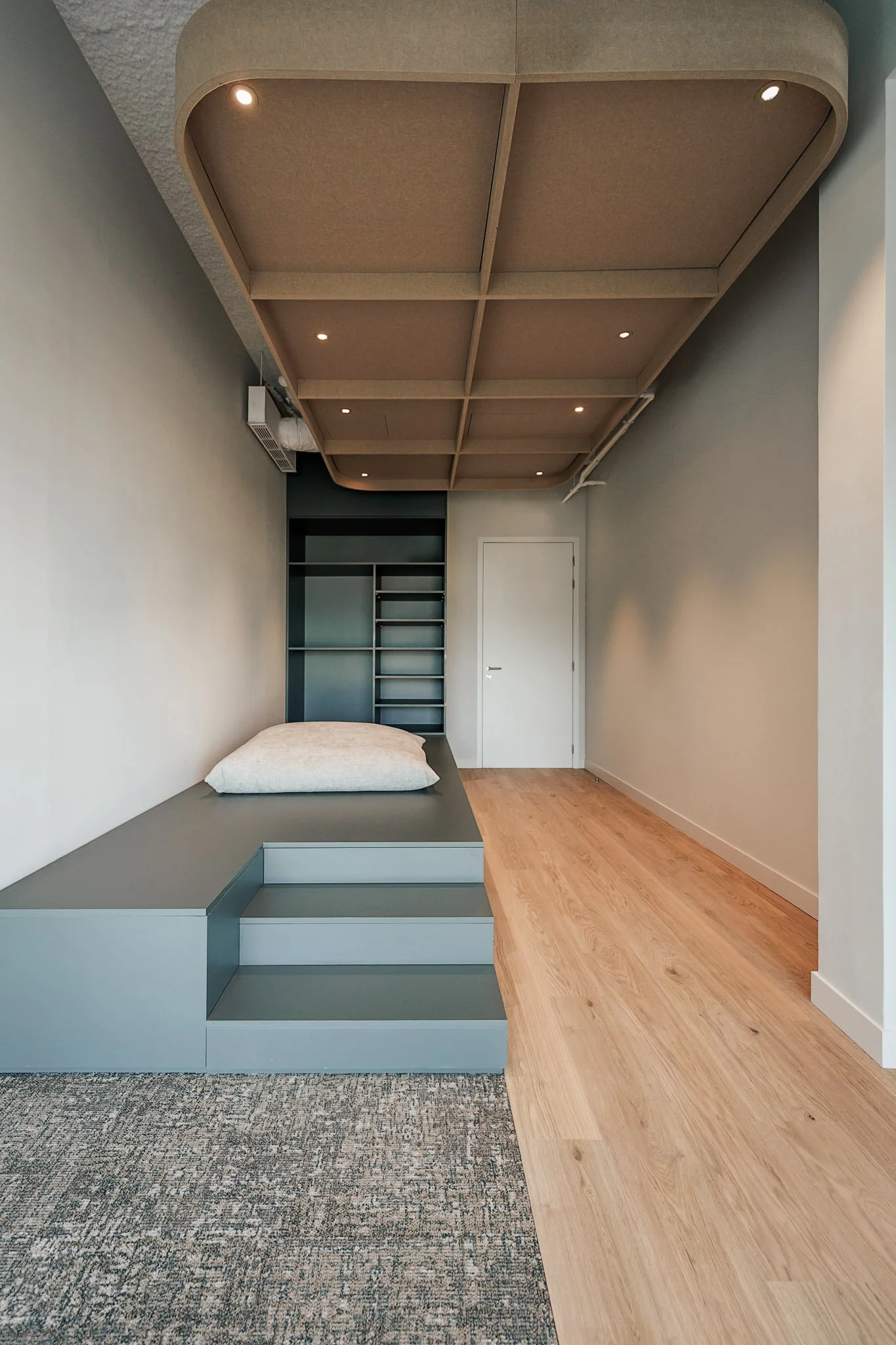
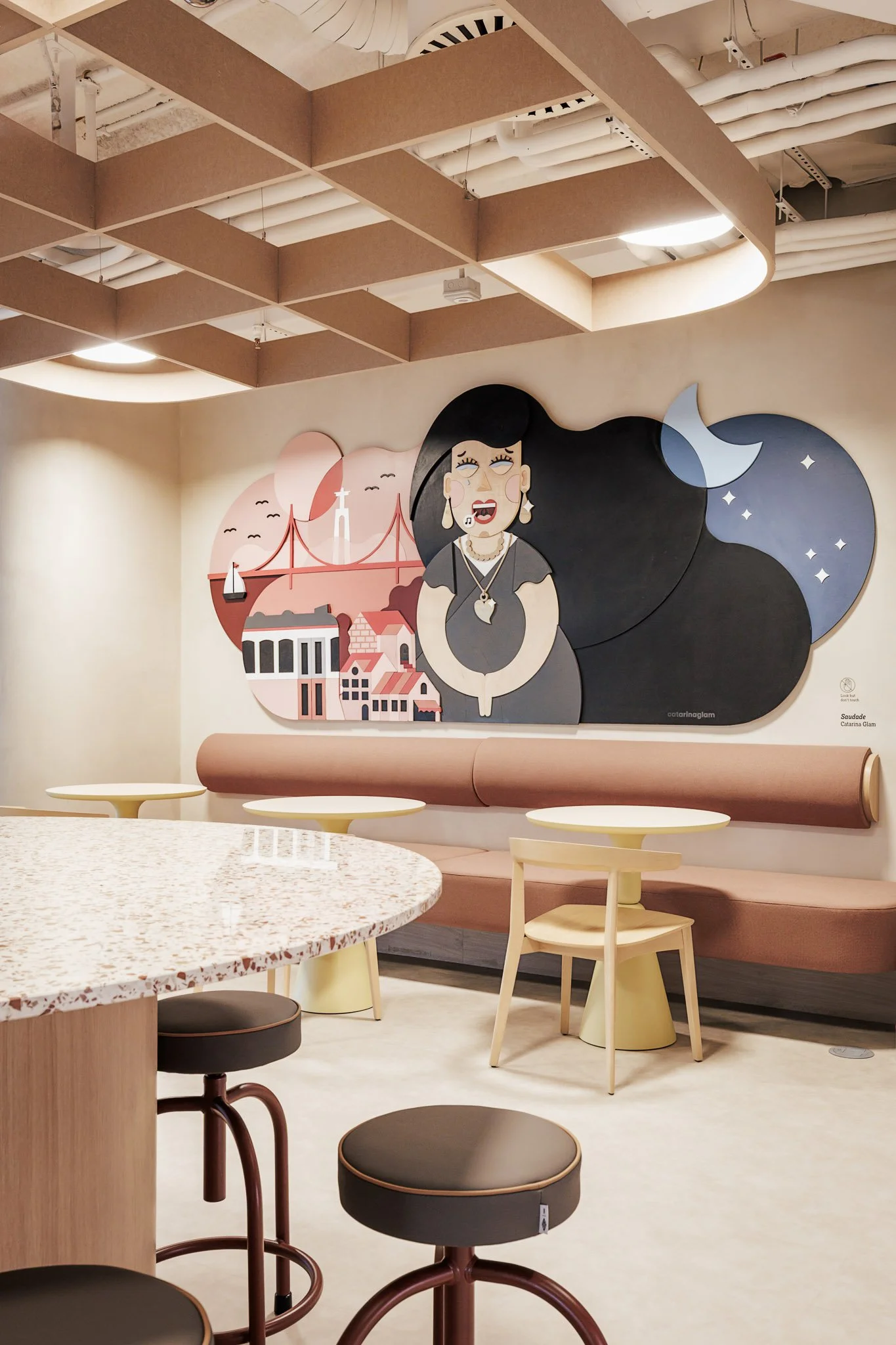
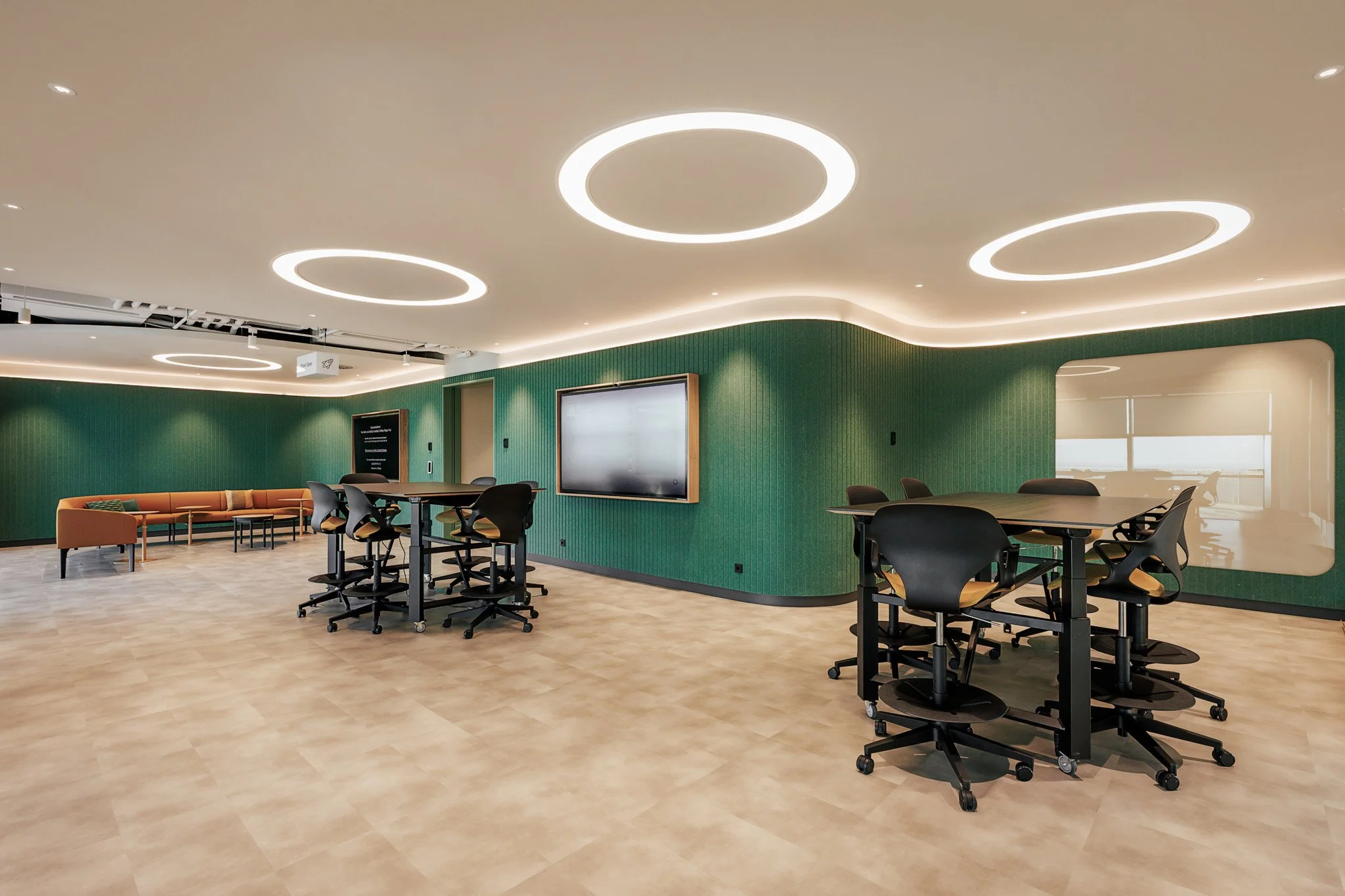
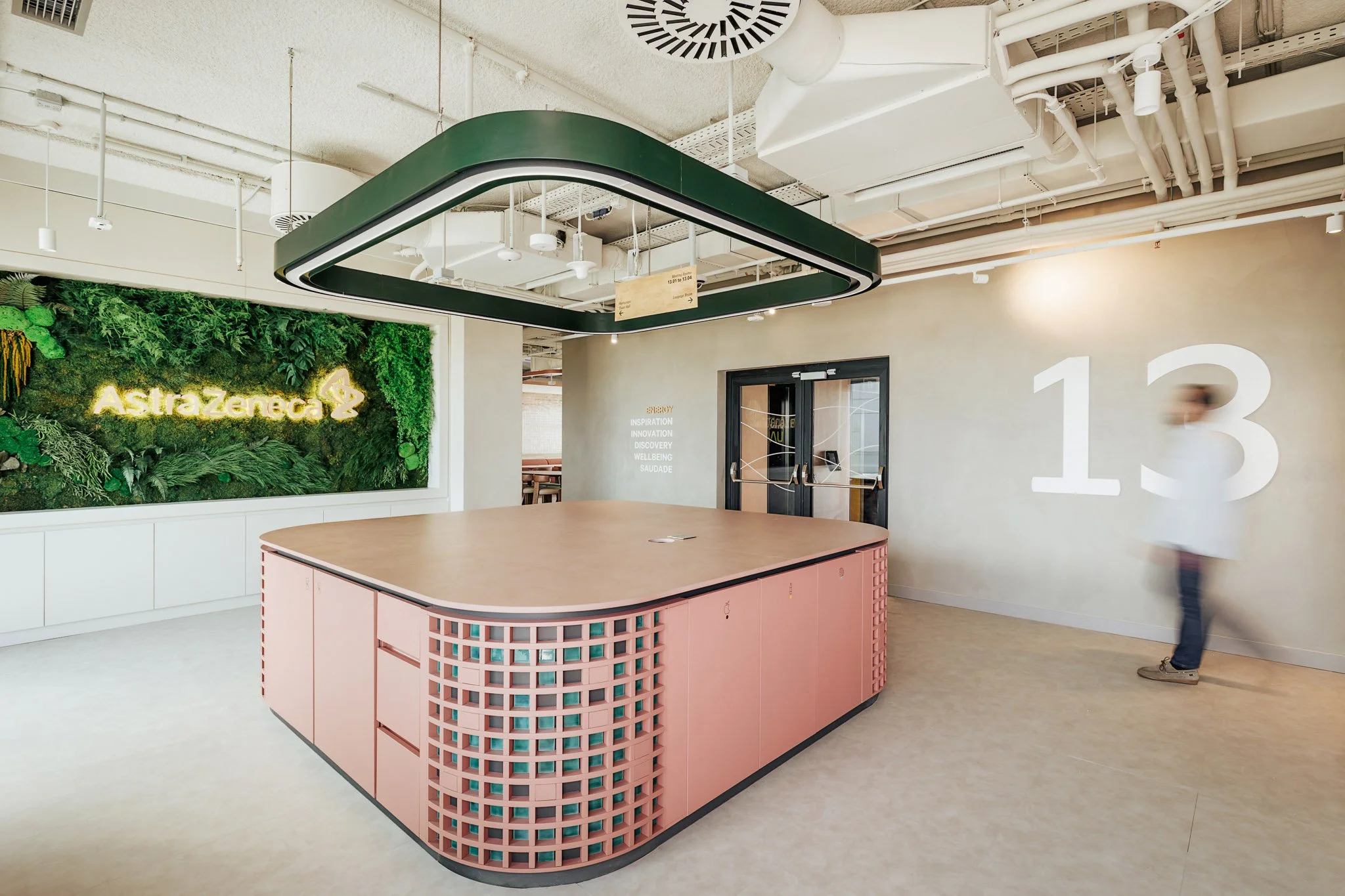
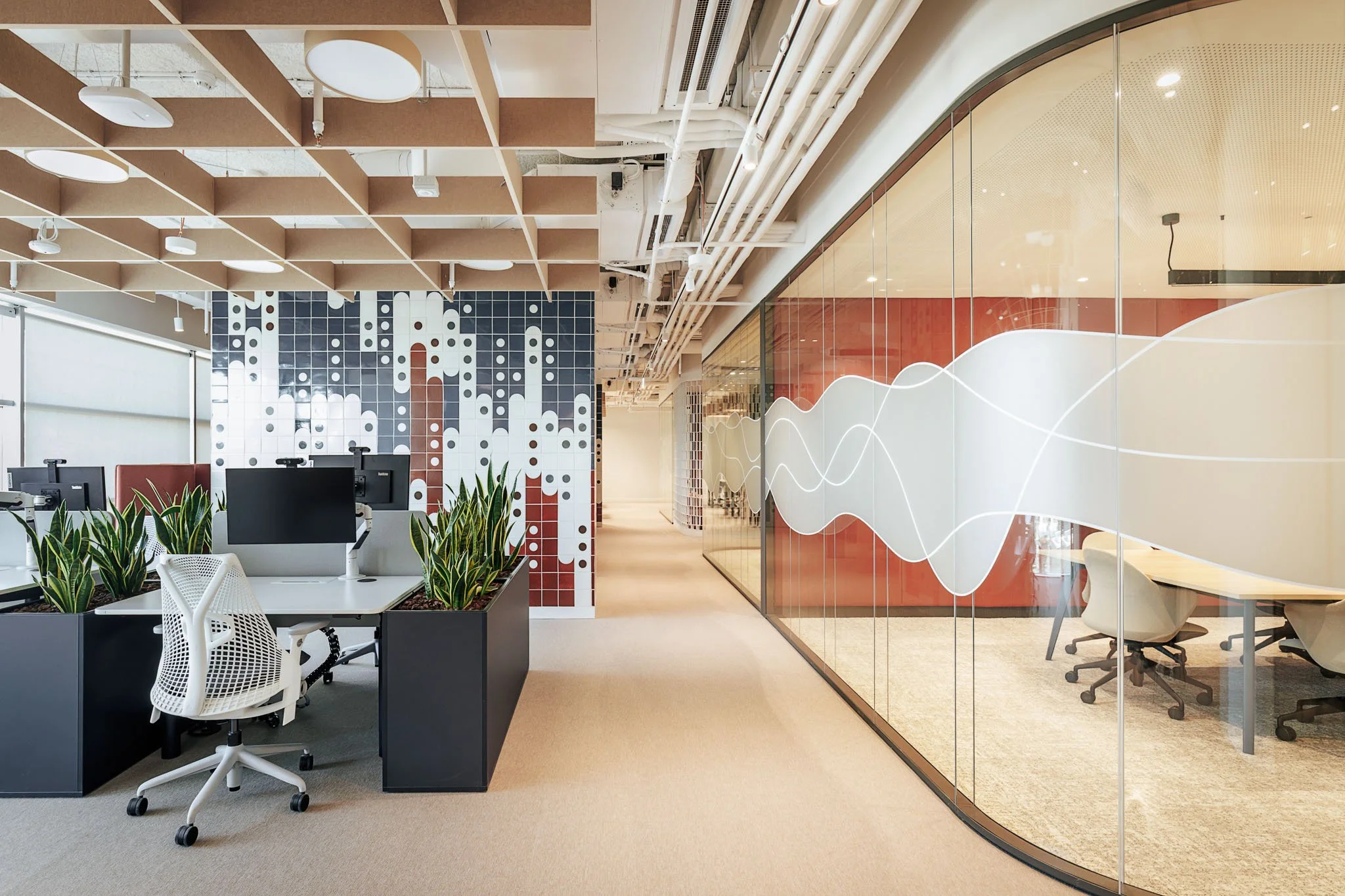
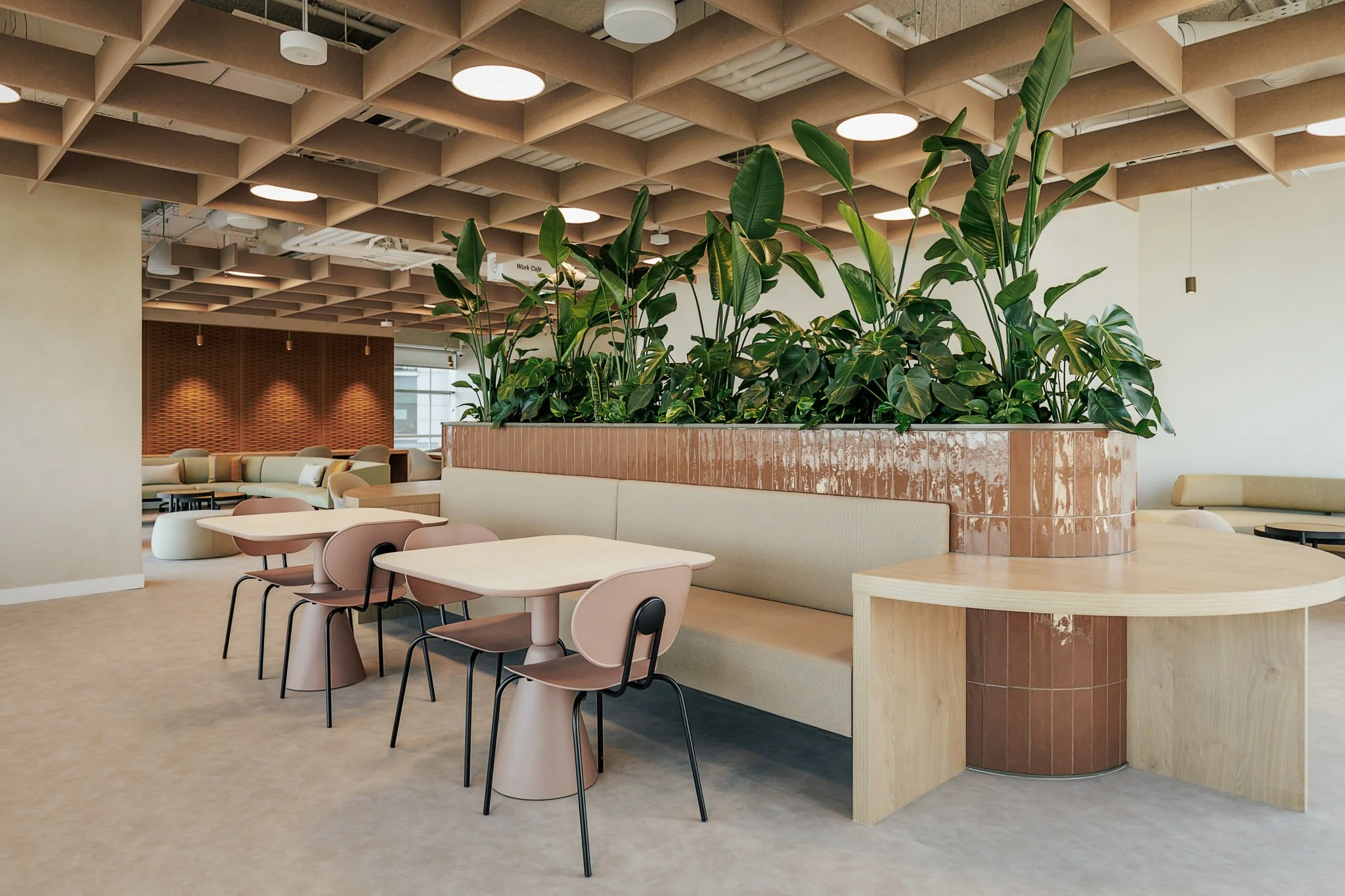
Inspired by Lisbon and Portuguese cultural identity, the project stands out for the way architecture, materials, and construction come together to create a unique spatial experience. From Level 13, home to the cafeteria and auditorium, to the remaining work floors, the diversity of colours, textures, finishes, and natural elements shapes a dynamic and immersive environment, carefully designed down to the smallest detail.
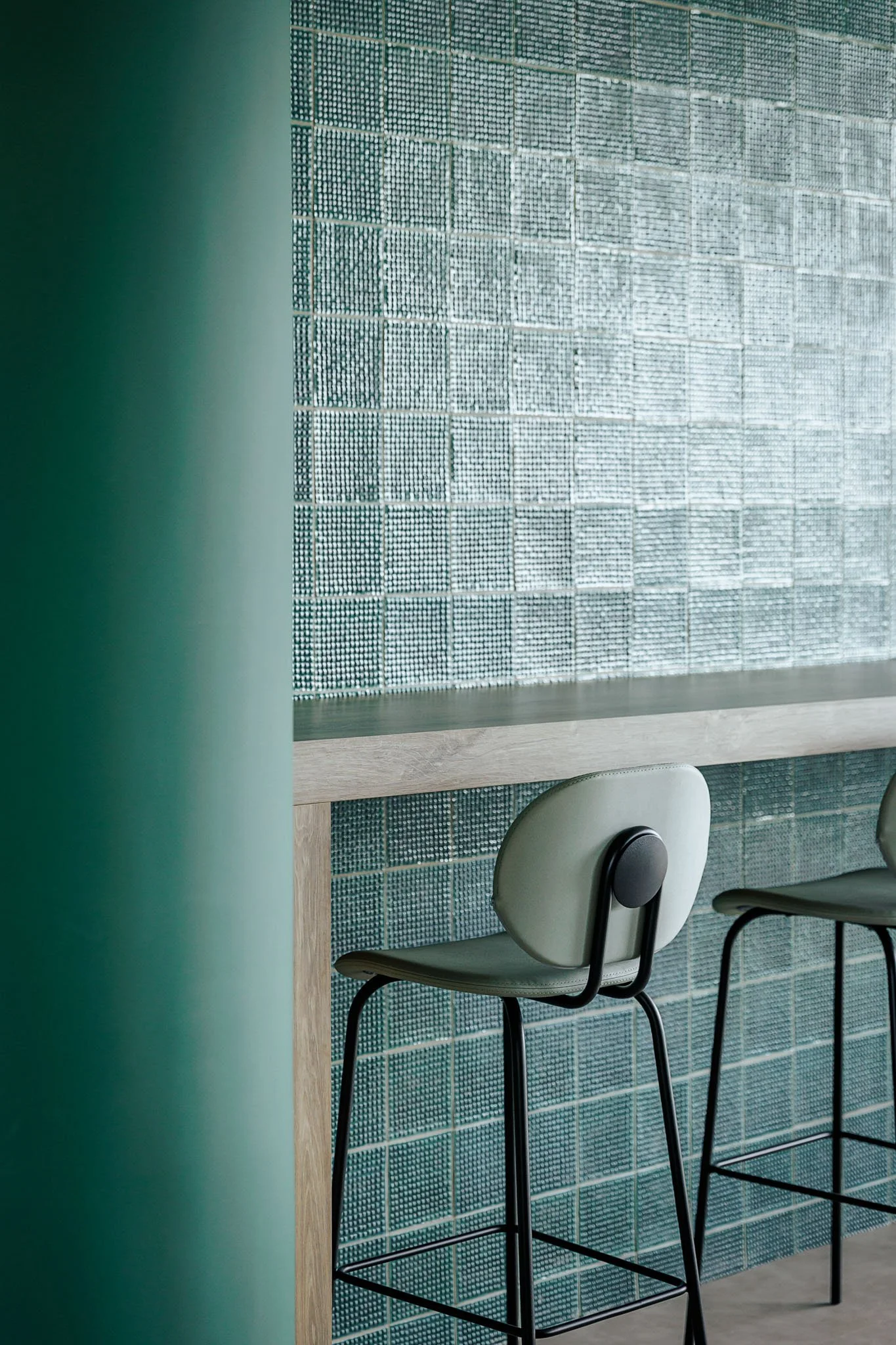
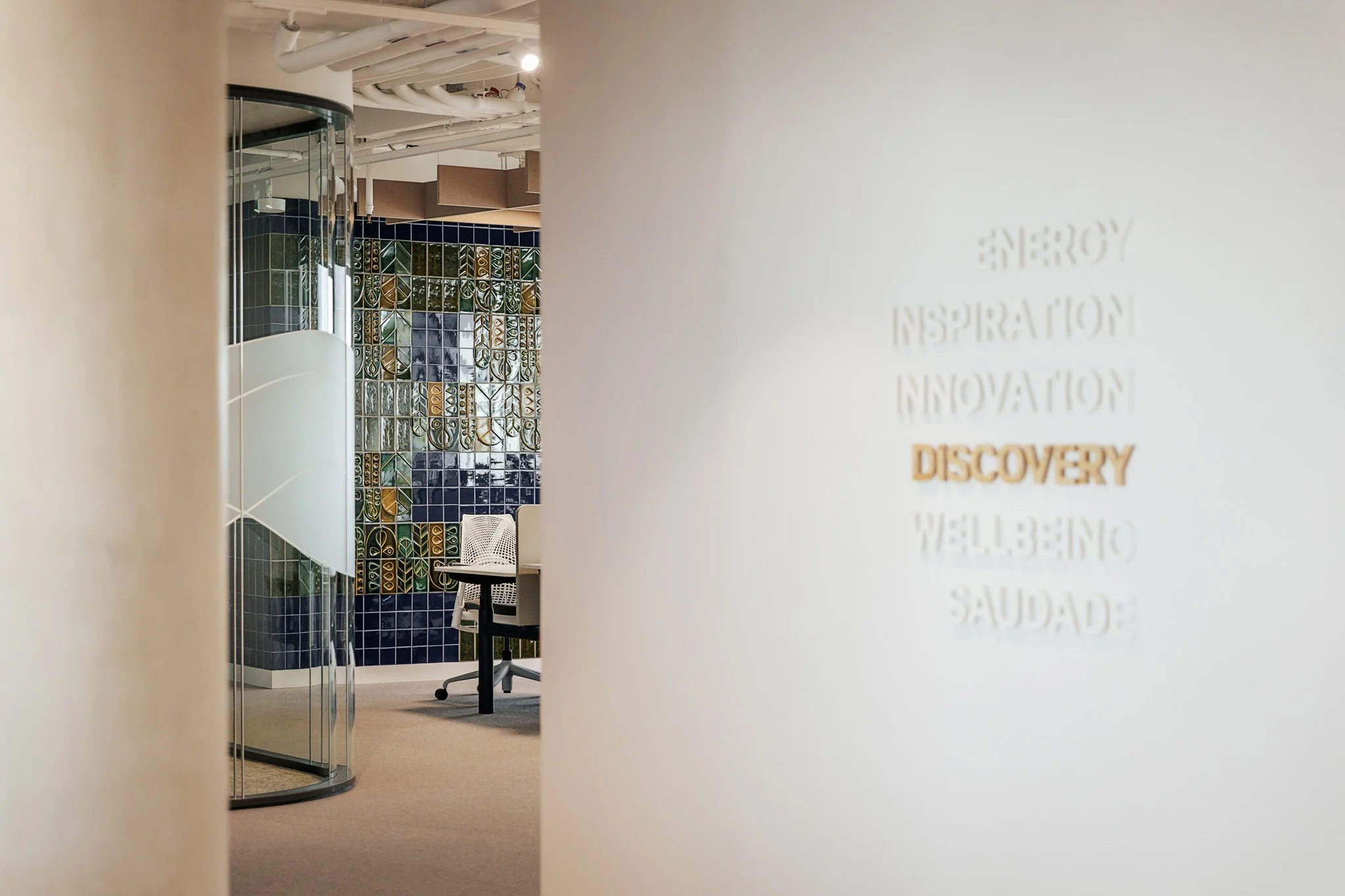
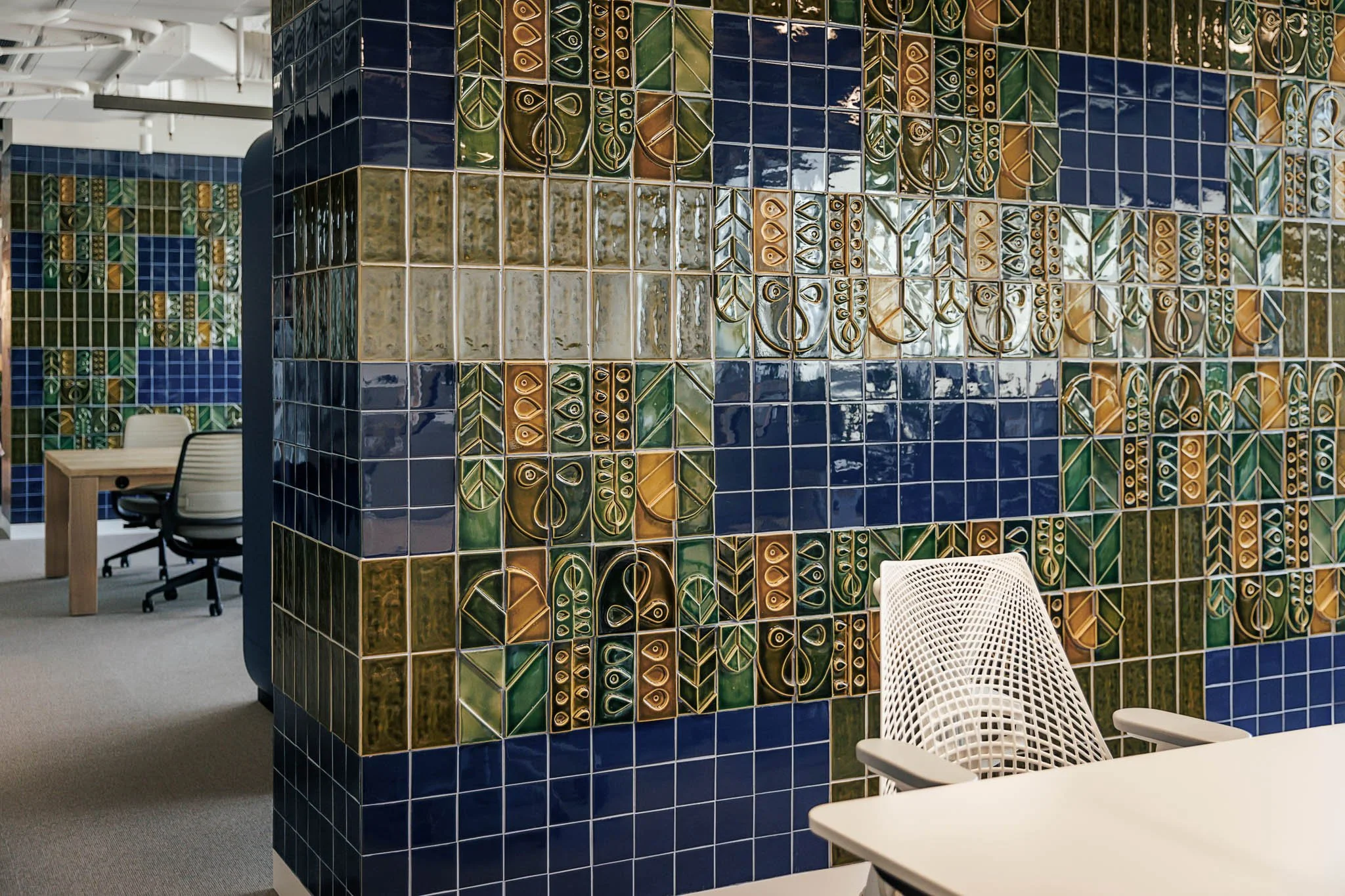
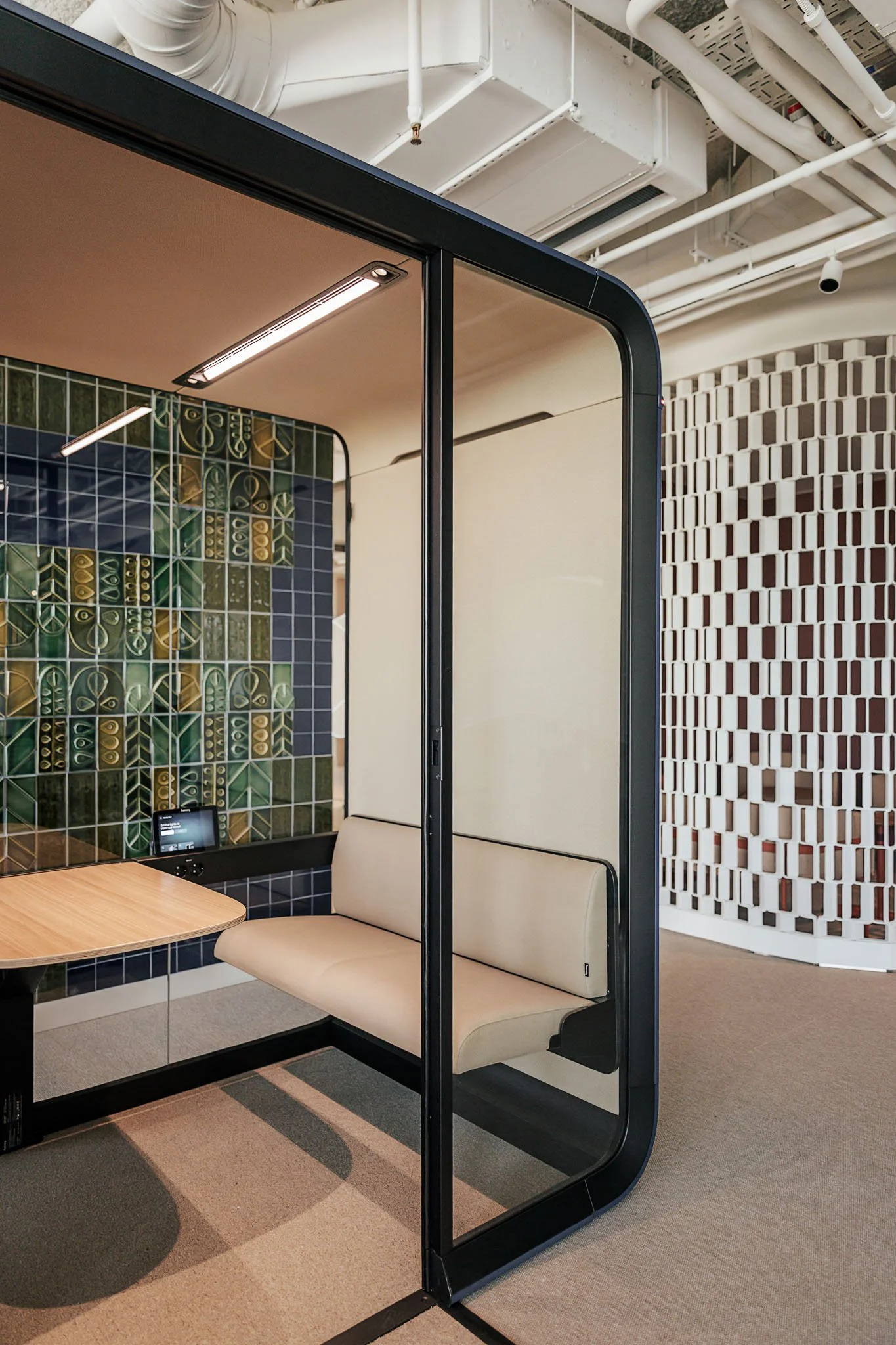
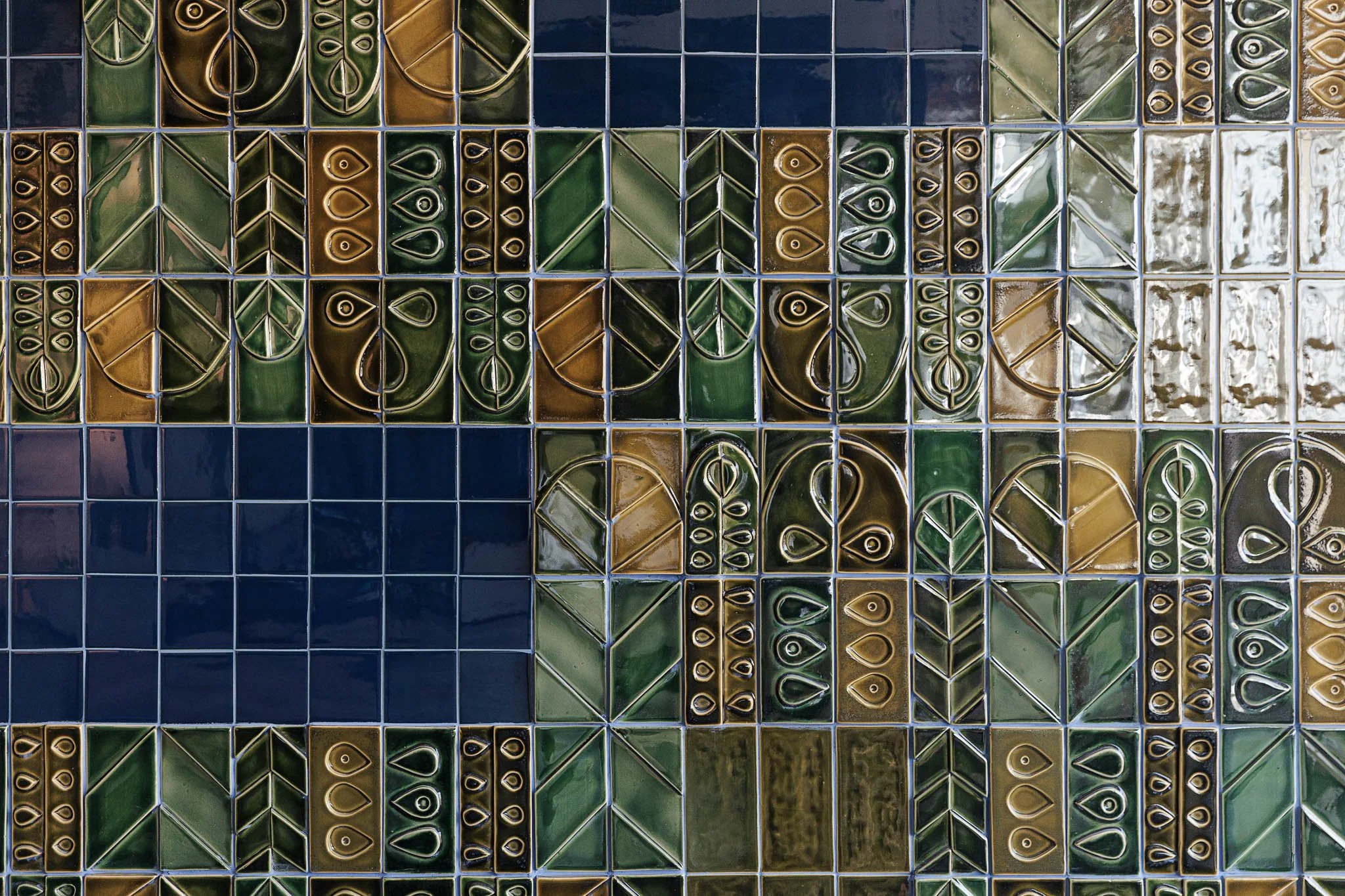
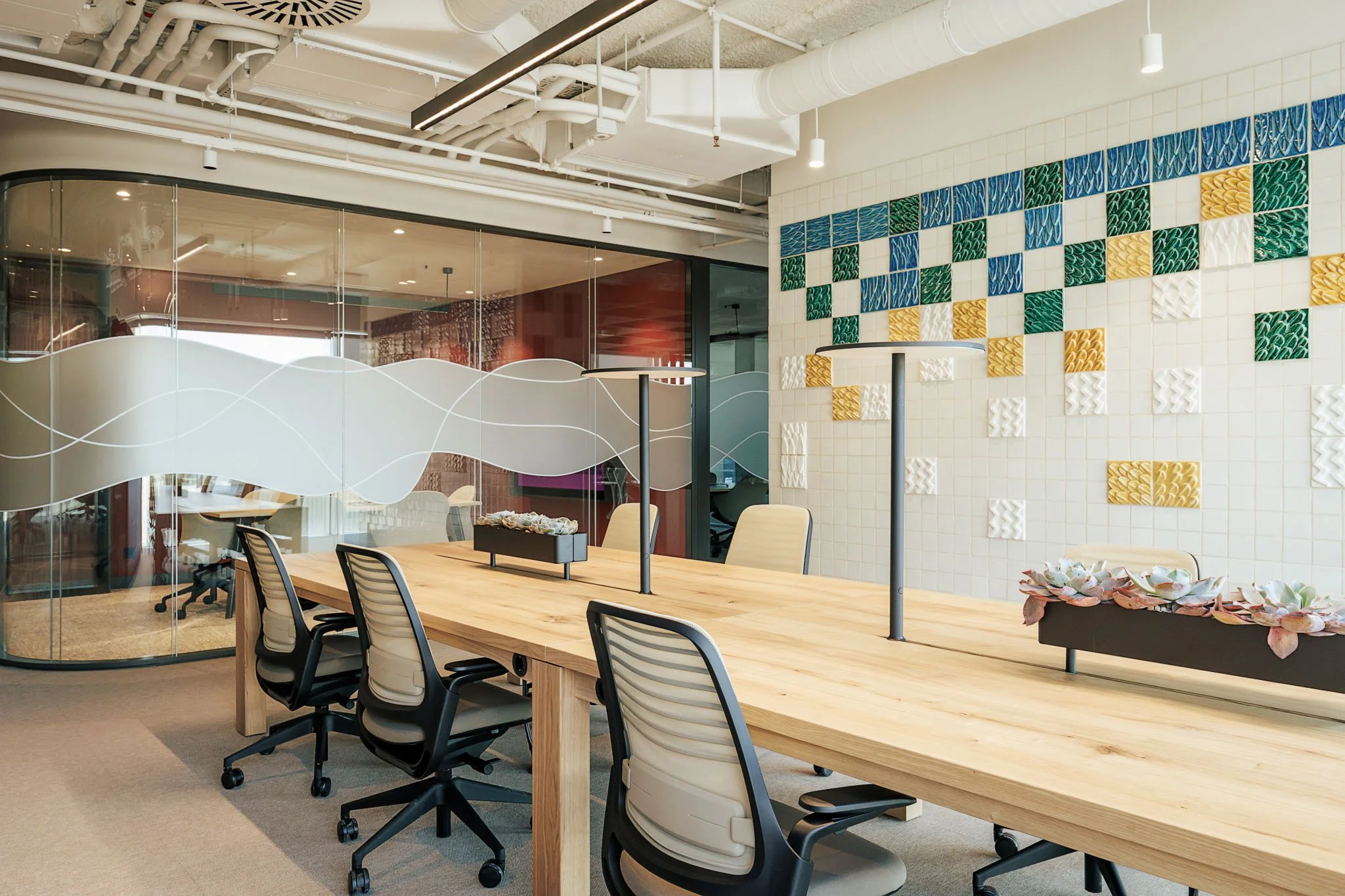
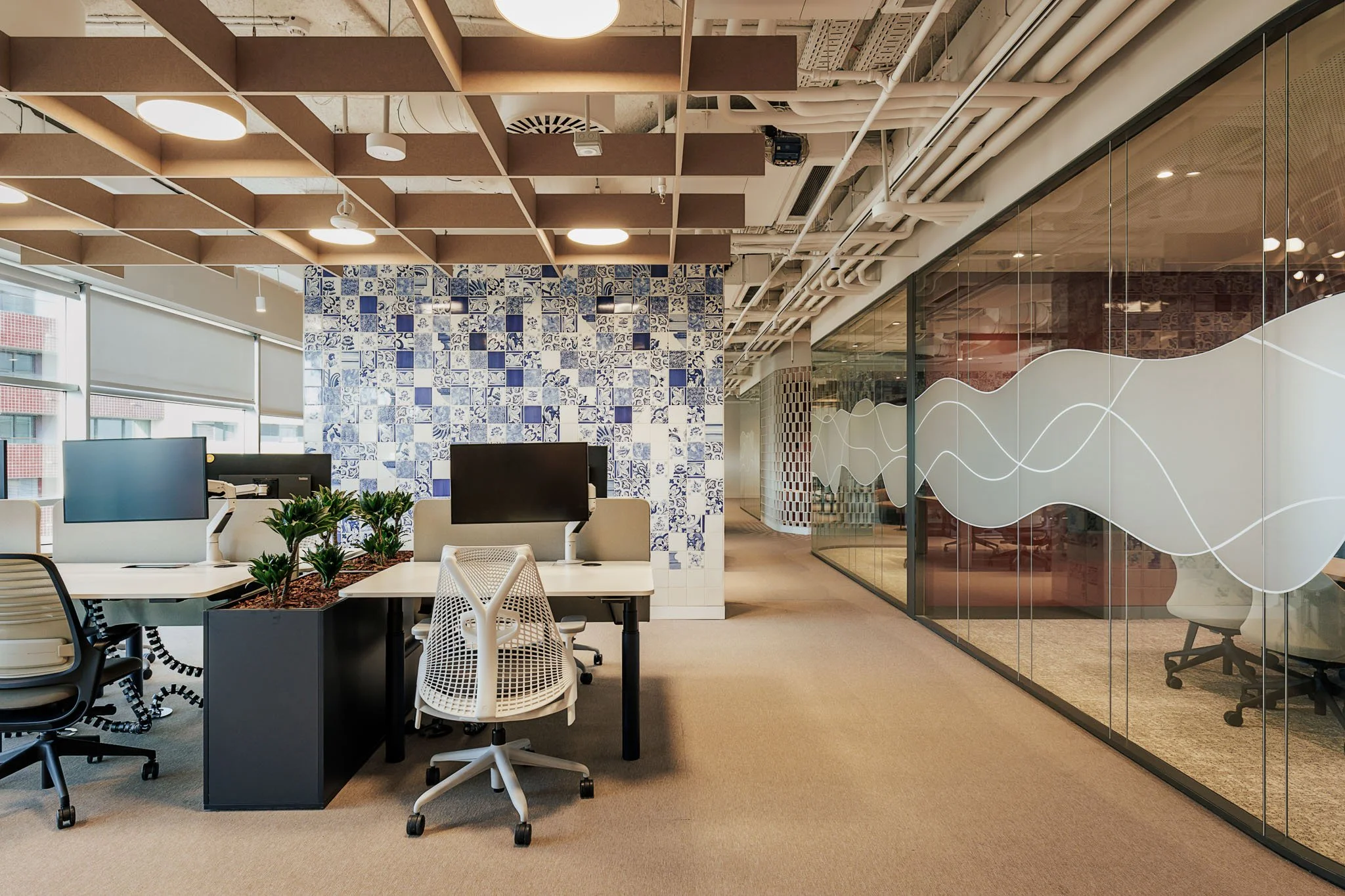
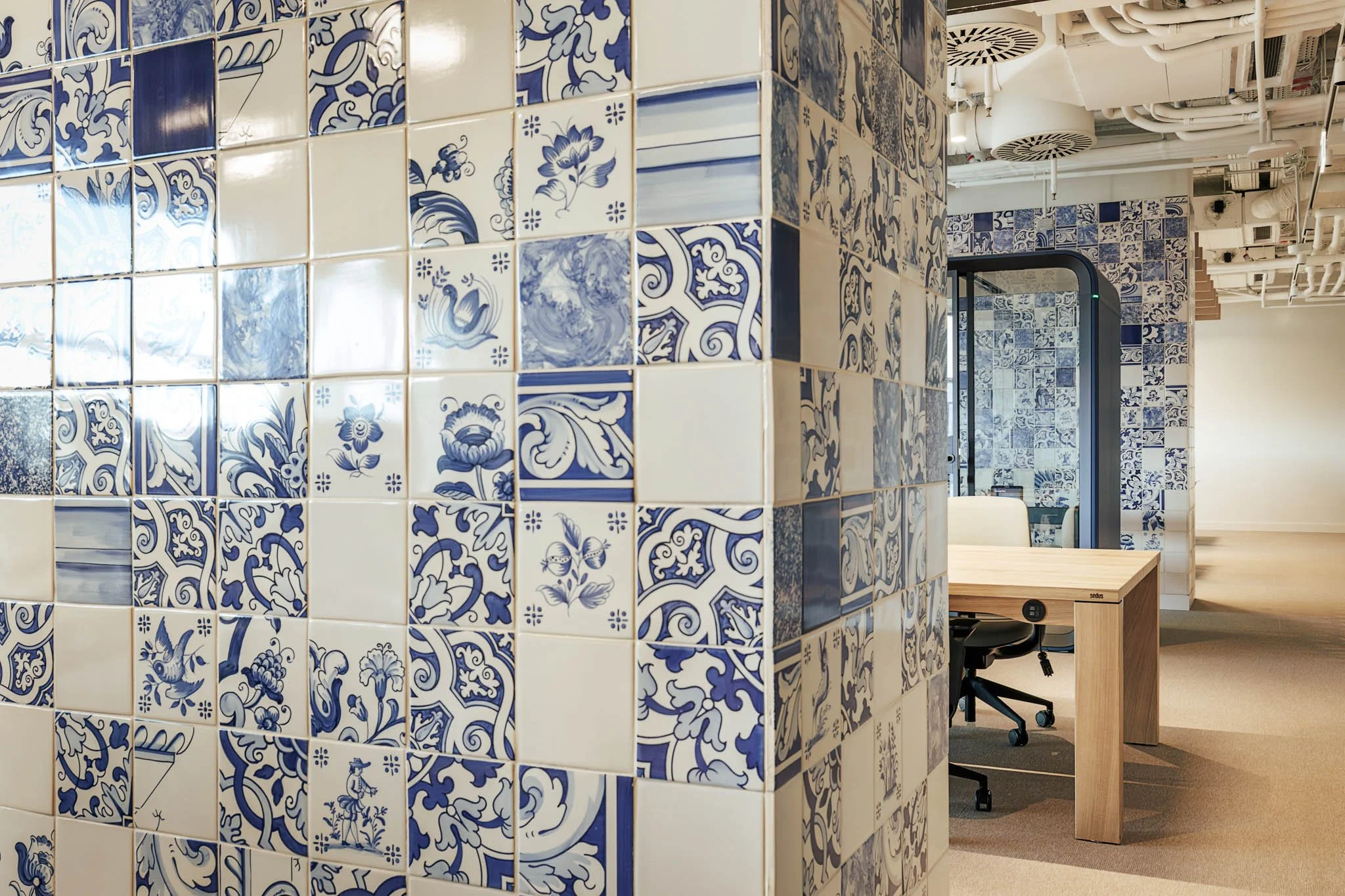
The complexity and richness of the solutions required rigorous planning from Vector Mais, ensuring the precise execution of every element. One of the project’s highlights is the integration of Viúva Lamego tiles, created by various Portuguese designers and artists, bringing identity and expression to the spaces through a vibrant chromatic and material language.
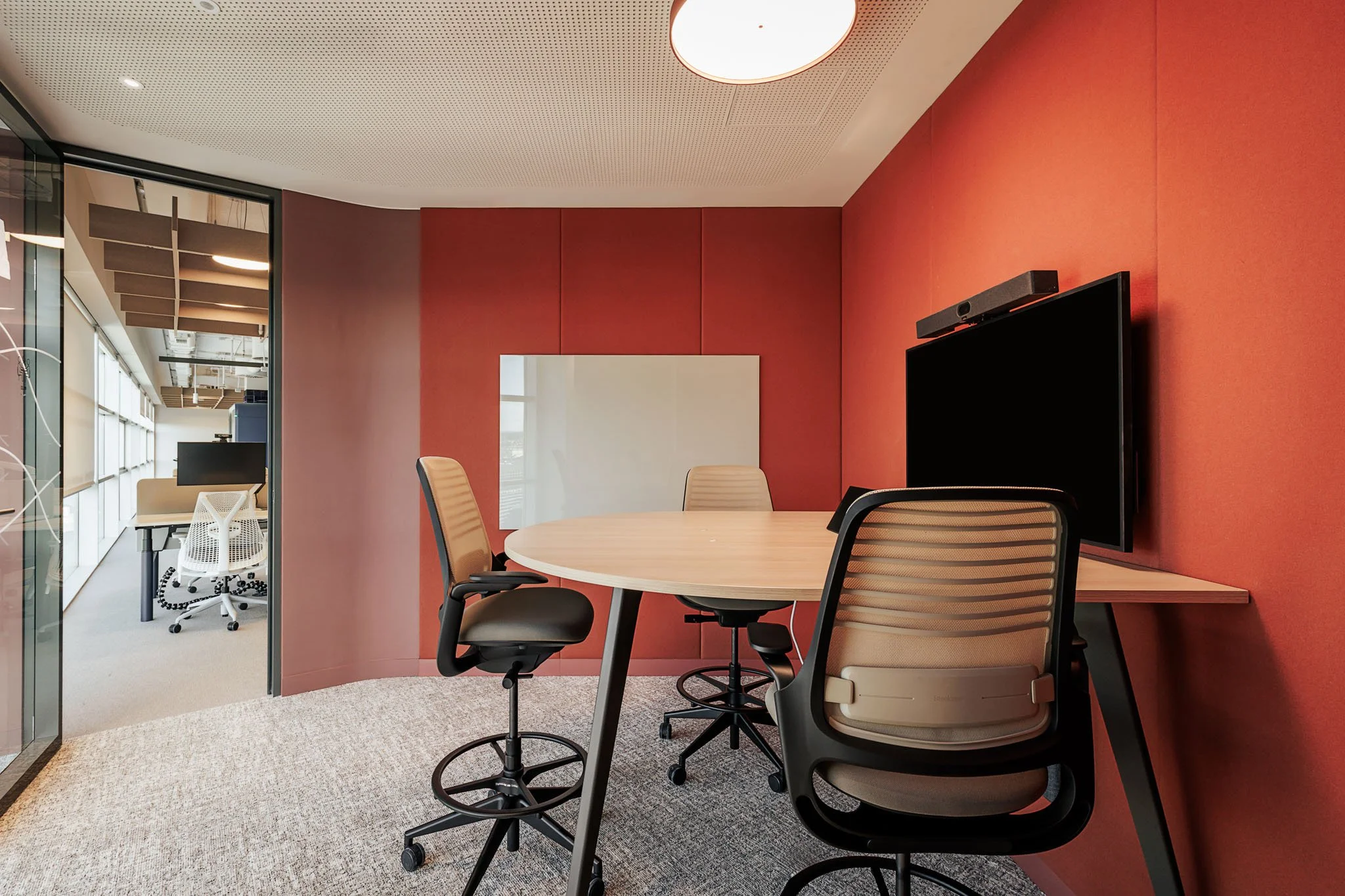
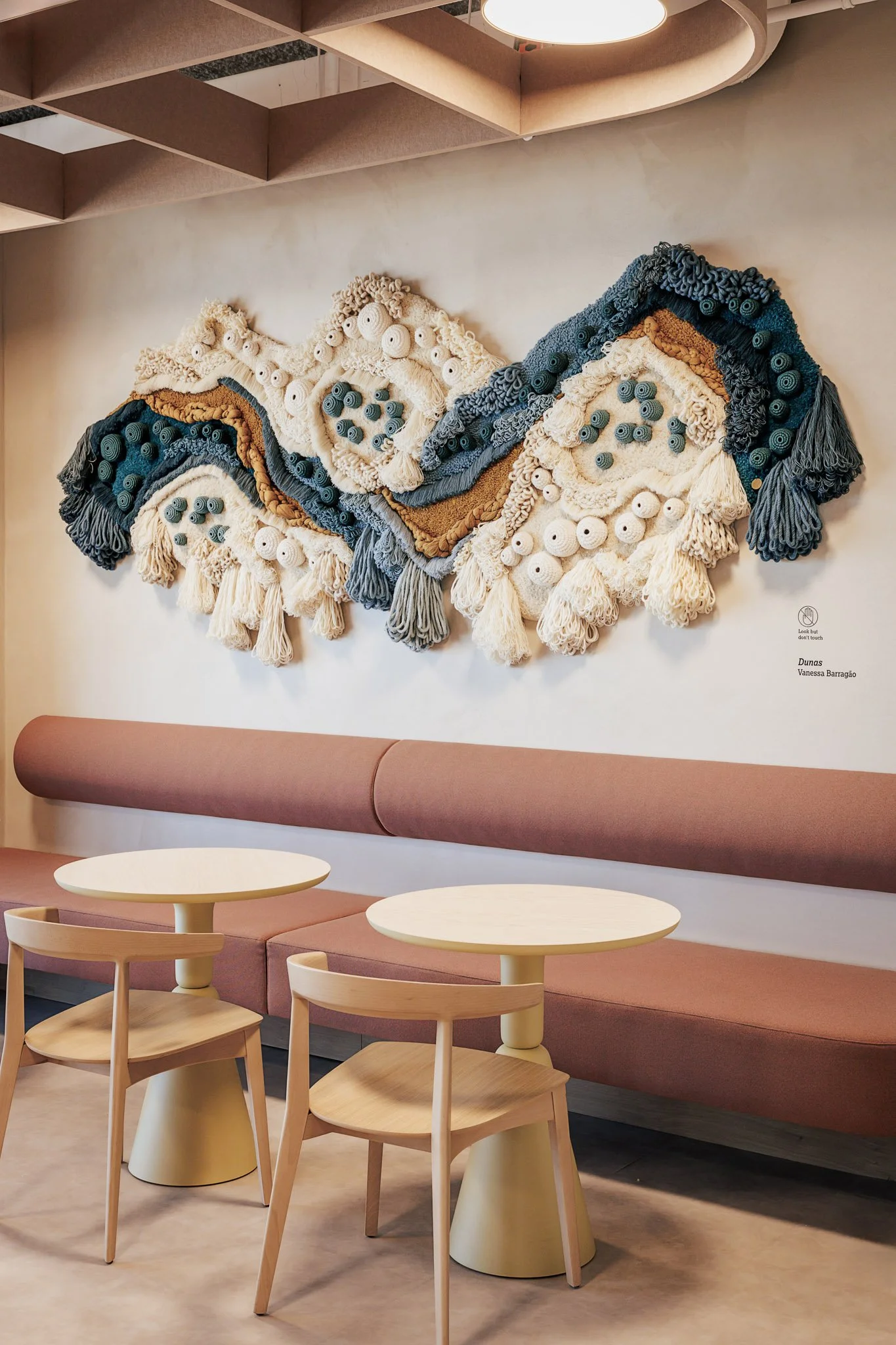
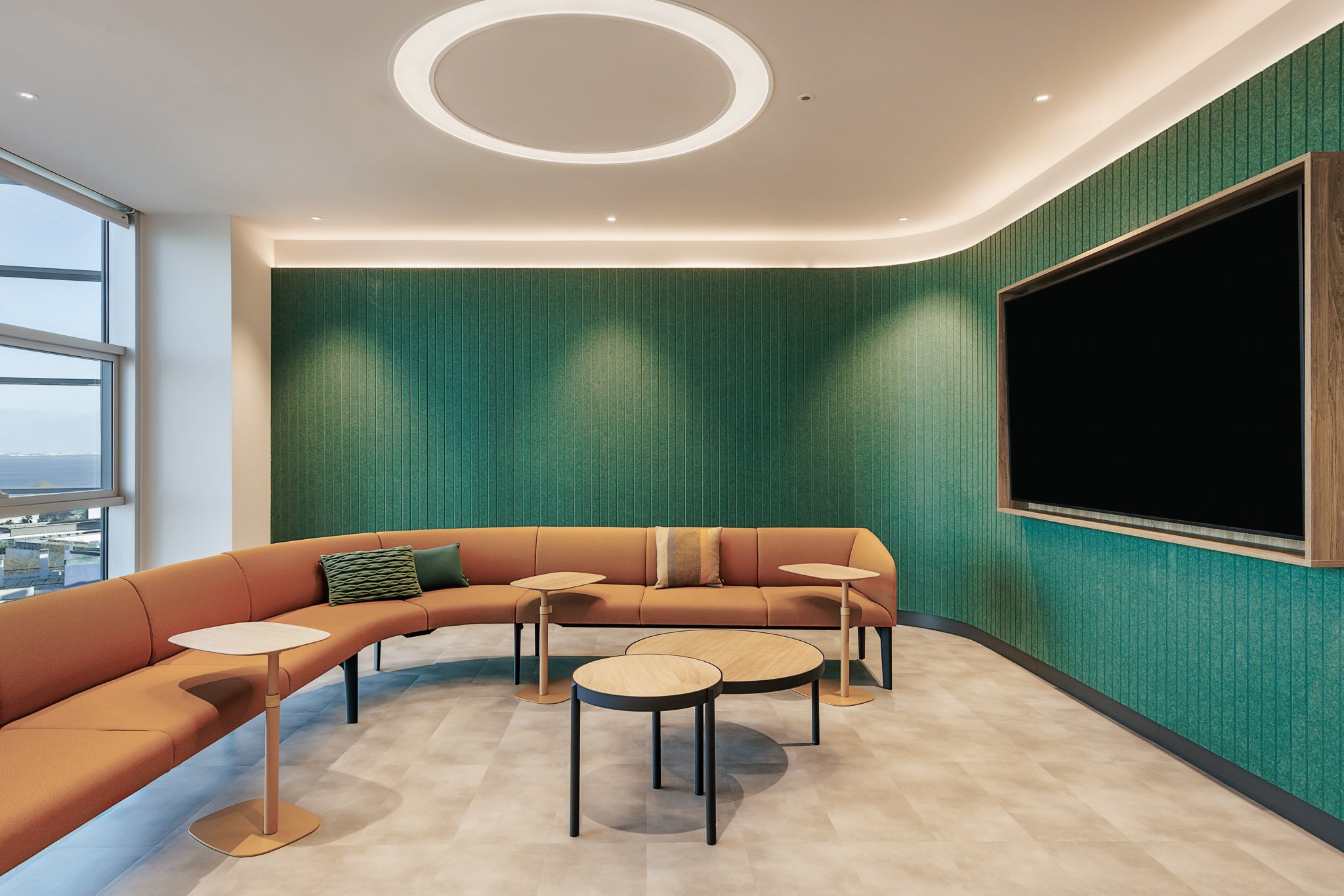
This dialogue with local culture is further reinforced by the artworks marking the entrance to each floor, defining the character of the different work, meeting, and collaboration environments. Complementing this setting are acoustic solutions, partitions, and finishes from Portuguese brands such as Burel and Bamer, contributing to a functional, comfortable space deeply connected to its surrounding context.
“Vector Mais’ work was marked by close collaboration, availability, and a strong partnership spirit throughout the entire process. As a partner in the construction of this space, the company played an essential role in bringing our vision to life. The execution was rigorous and aligned with both our needs and the identity we wanted to see reflected in the final result.”
Francisco Clode
Site Expansion Lead
AstraZeneca
What is the importance of creating the hub in Parque das Nações?
The creation of the hub in Parque das Nações represents a reinforcement of AstraZeneca’s commitment to Portugal, to patients, and to the communities where we operate. Today, the Hub brings together people from different geographies and functions in a single location, consolidating AstraZeneca’s presence in Portugal. The office is called NAU and was conceived as an expression of this ambition. The name is inspired by the sea, courage, and the connection between different parts of the world. It is a symbol of innovation and action driven from Portugal.
How was AstraZeneca’s corporate culture translated into the office space?
AstraZeneca’s culture was translated into a space that embraces diversity, collaboration, and a sense of belonging. NAU was designed to welcome more than 40 nationalities and different ways of working. We aimed to create a flexible environment that adapts to employees’ needs and rhythms, promoting inclusion, well-being, and a more human day-to-day experience.

“The know-how of the Vector Mais team, which was always available to find joint solutions and respond effectively to the challenges that arose, ensured a stable and well-managed project delivery, clearly contributing to the quality and smooth progress of the project.”
Jennifer Cleary, architect at CBRE, who worked on this project alongside Ricardo Martins
What was AstraZeneca’s briefing and how was it applied to the project?
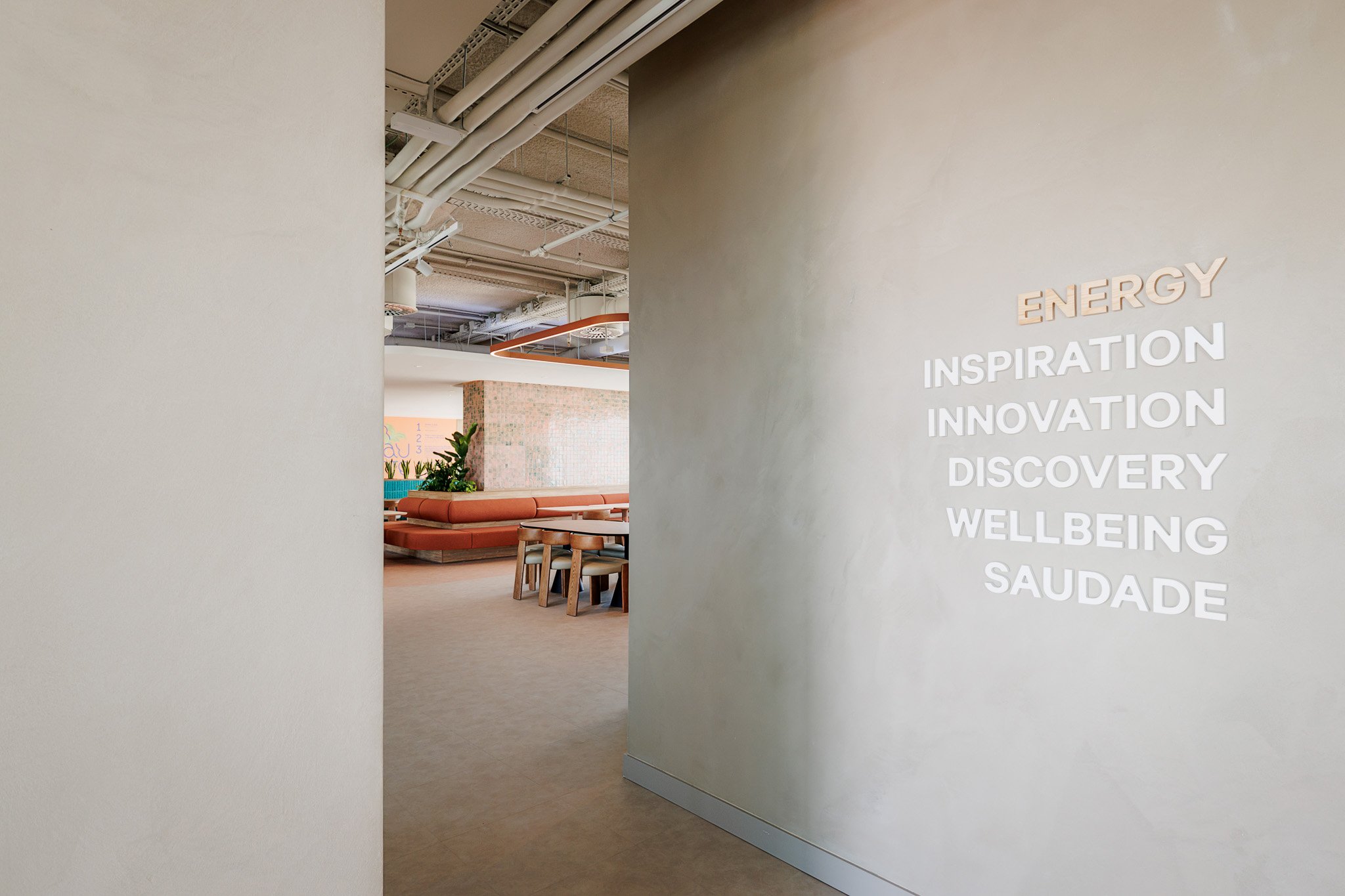
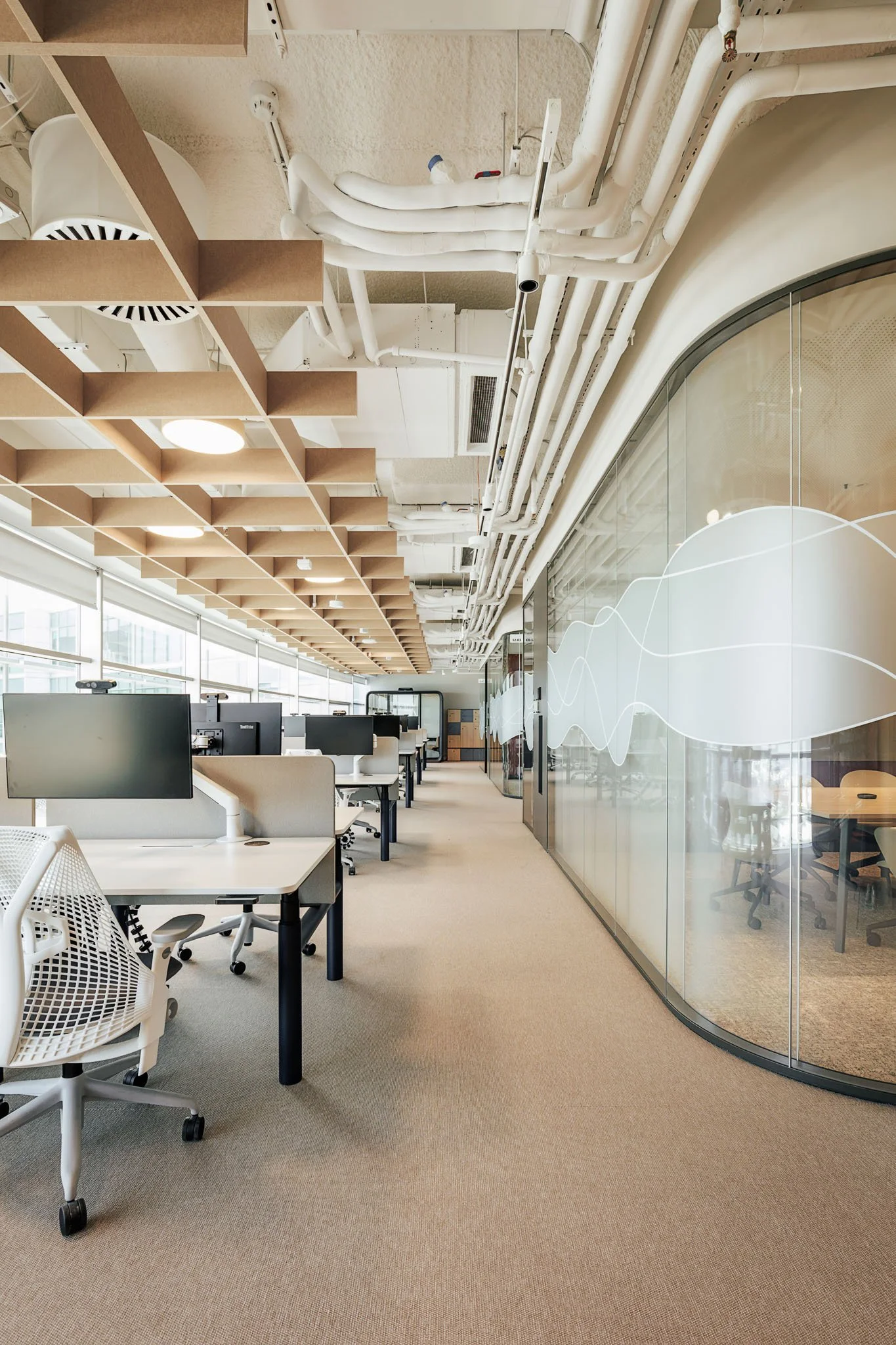
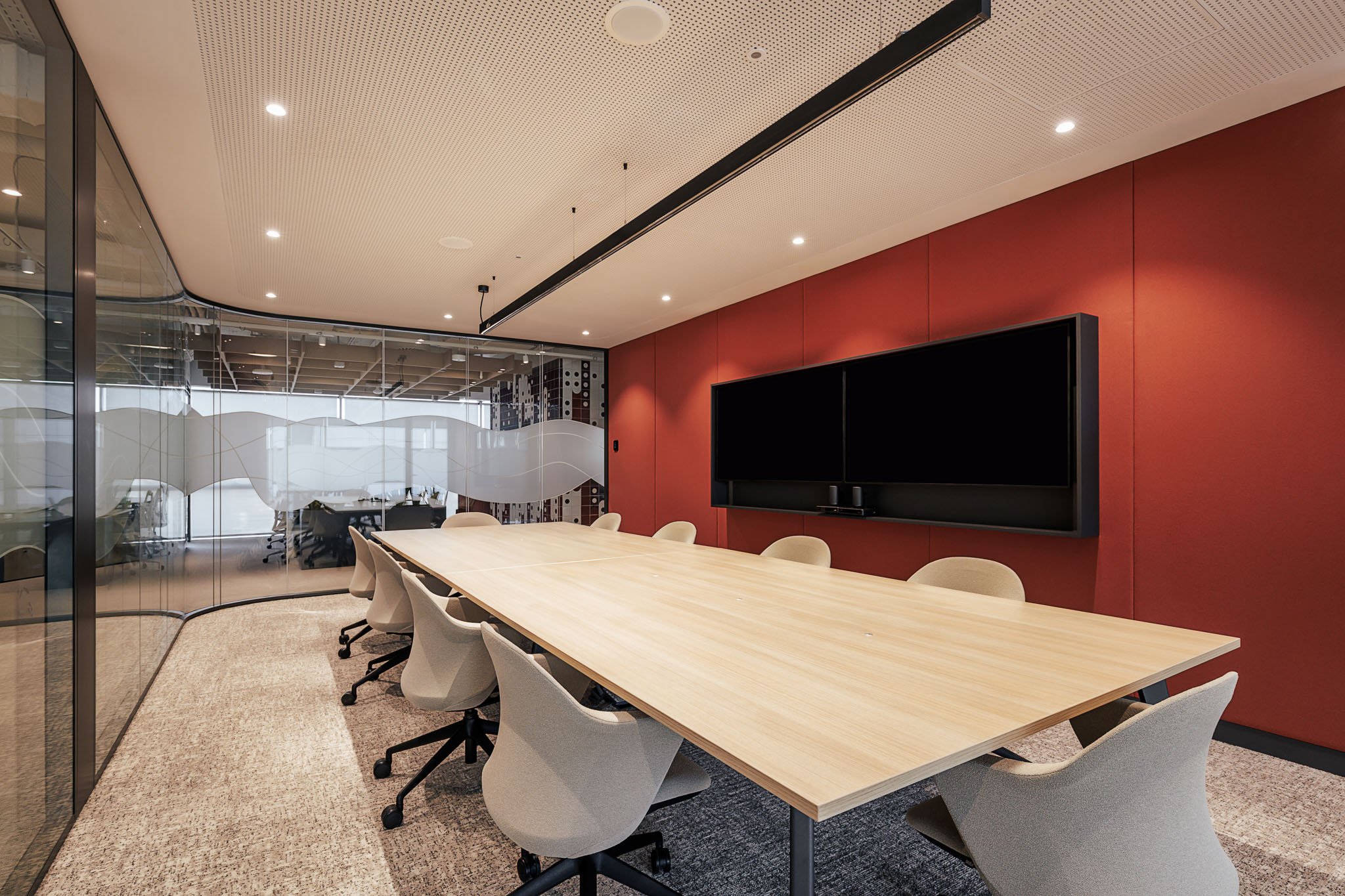
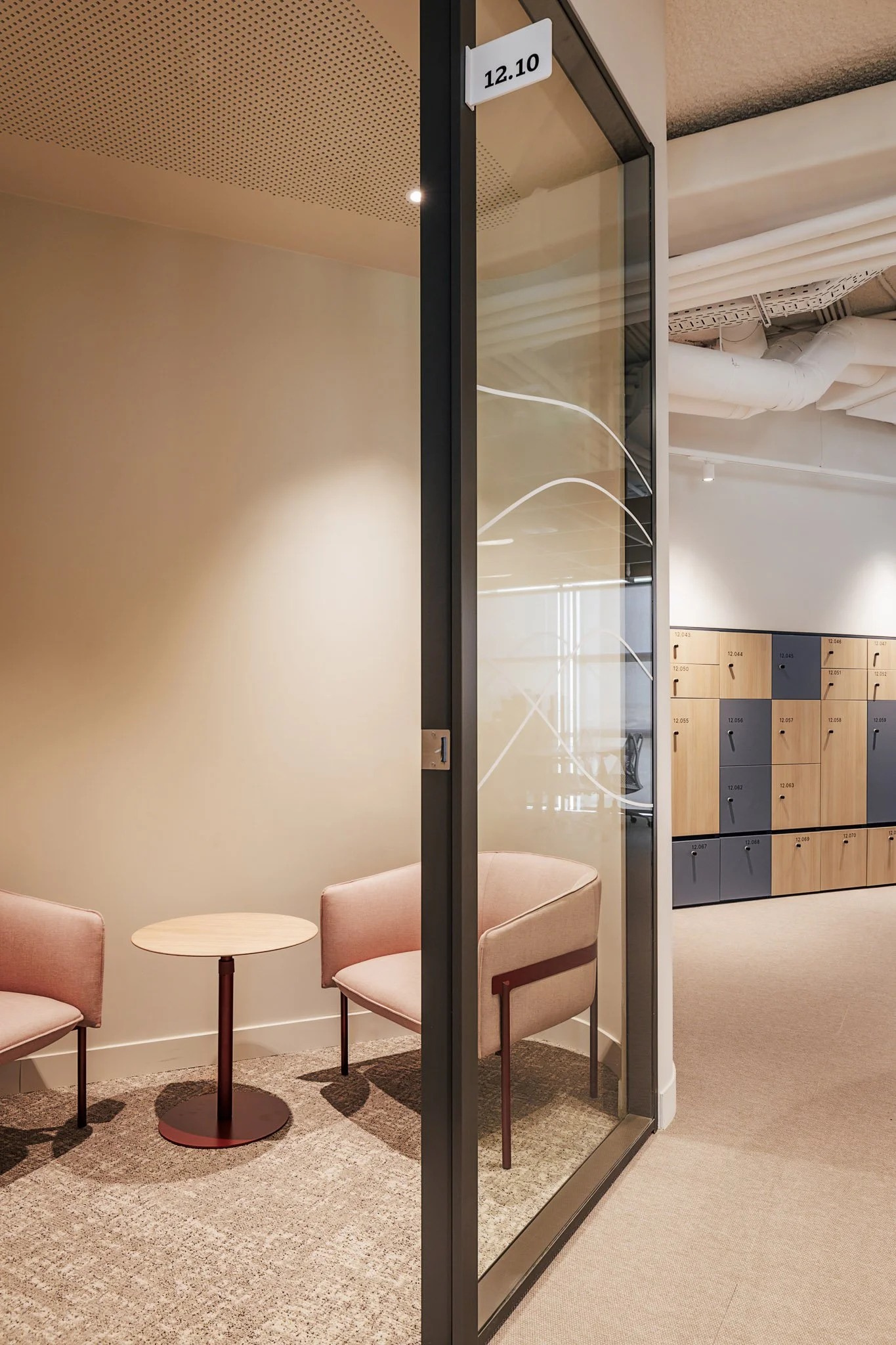
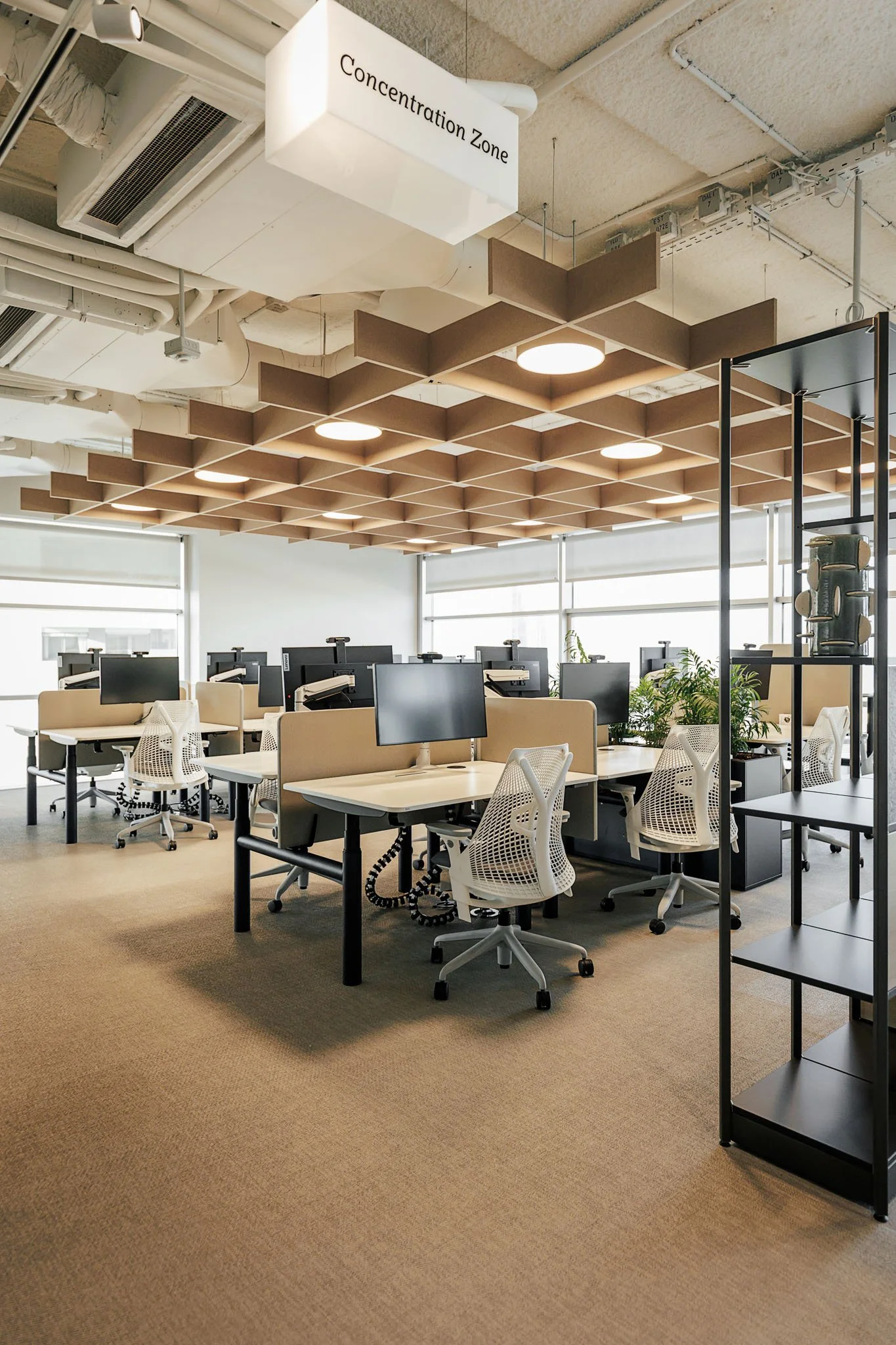
AstraZeneca’s new offices needed to reflect the company’s global transformation, guided by the following core principles: collaboration, innovation, discovery, inclusion, and well-being. The different spaces were designed according to the type of activity taking place within each one; therefore, both the colour palette and furniture solutions were selected based on the levels of concentration and interaction required. The result is a variety of environments where everyone can achieve their full potential in the workplace, collaborating in a truly inclusive setting, with a strong emphasis on employee well-being.
Which environments in the office stand out the most?
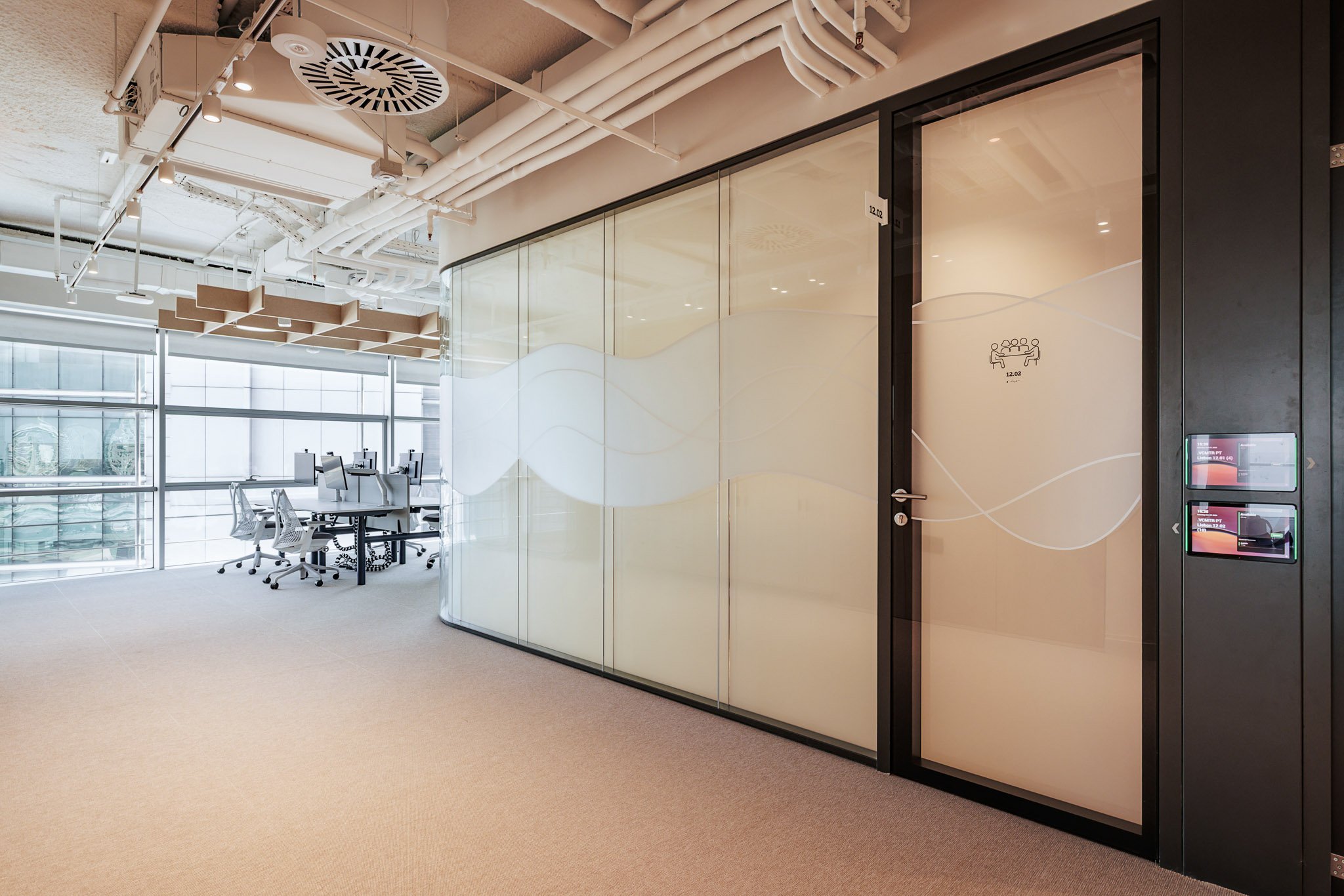
Every environment within the office was designed to enhance the employee experience. The work areas were tailored to the different levels of concentration required for employees’ daily activities, while adjacent spaces were created to encourage interaction, knowledge sharing, and social connection. These safe and comfortable spaces reinforce employee well-being. The final result is a human-centred workplace designed around the employee experience, fostering collaboration and innovation while remaining aligned with AstraZeneca’s values.