Cegoc
General Contractor — Vector Mais
Project — CBRE
Size — 1.000 m²
Location — Lisbon
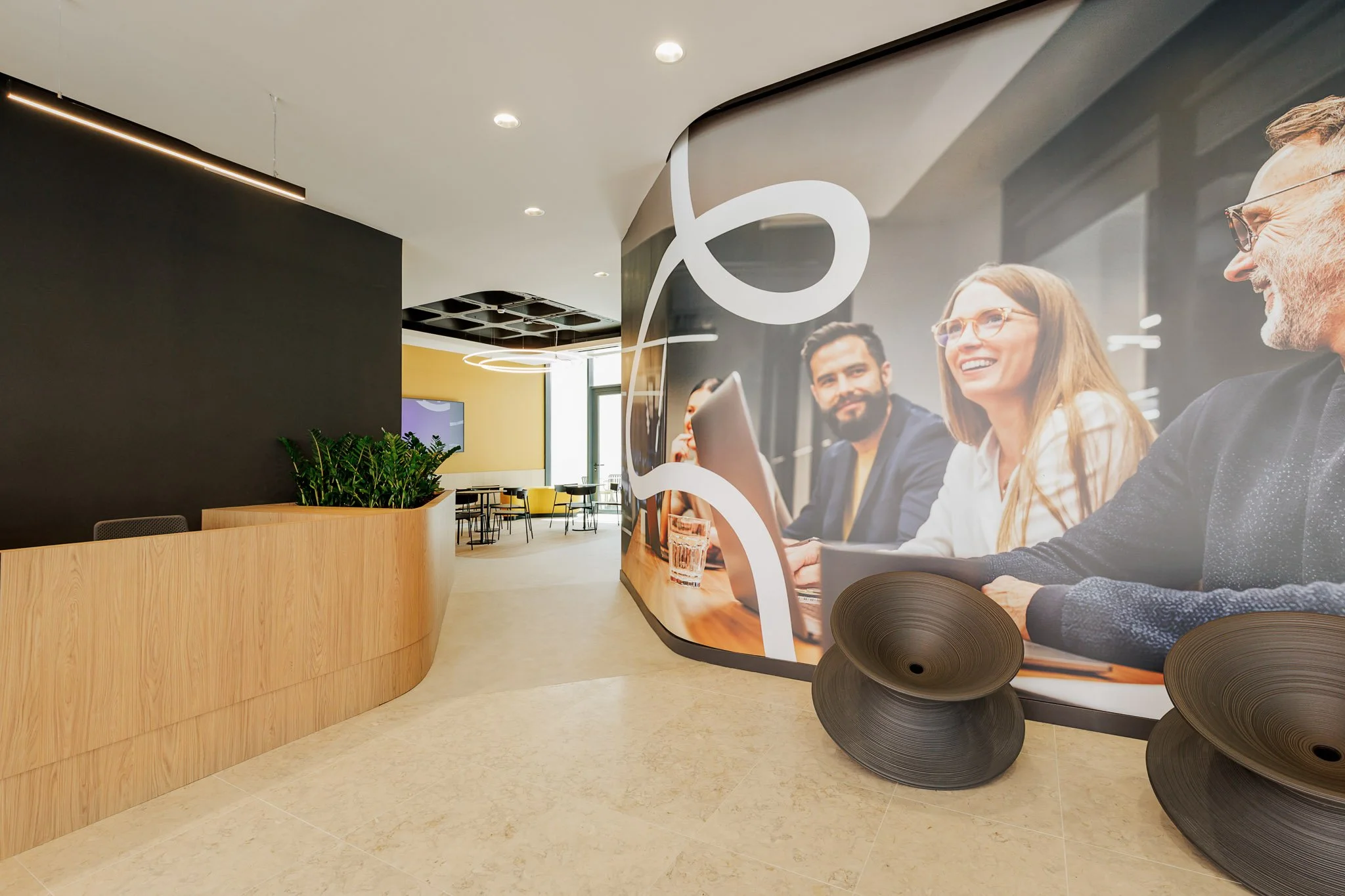
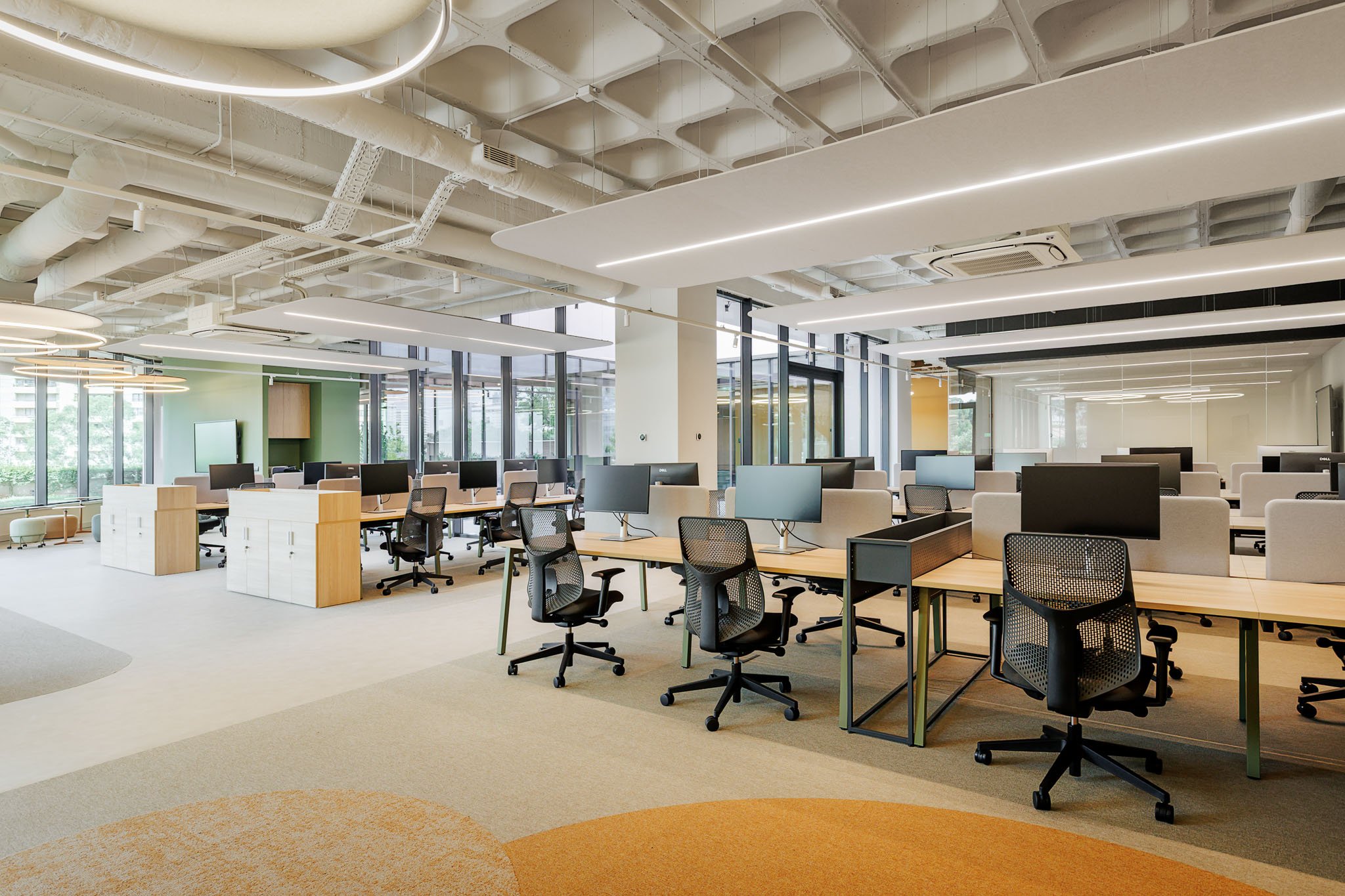
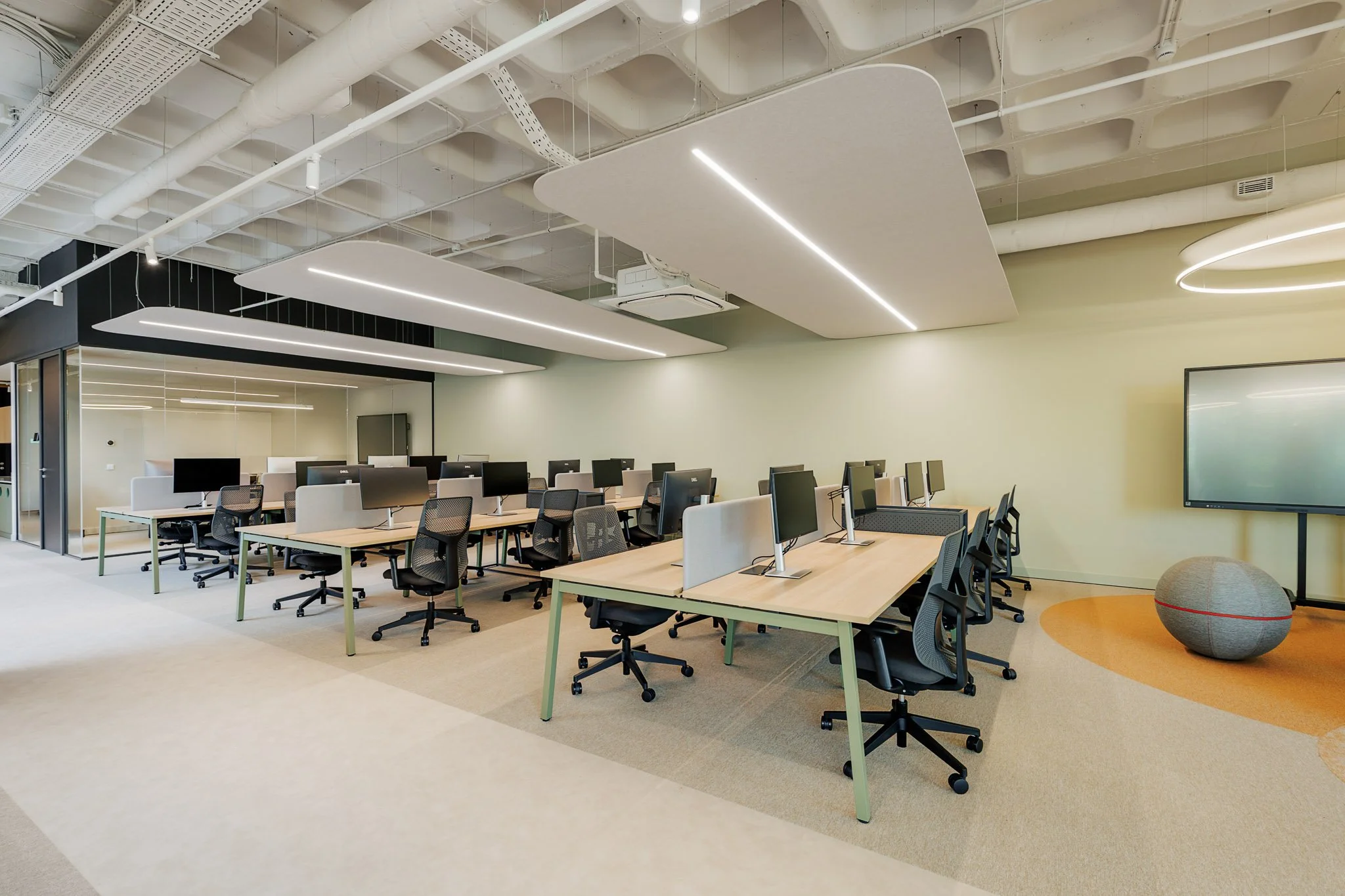
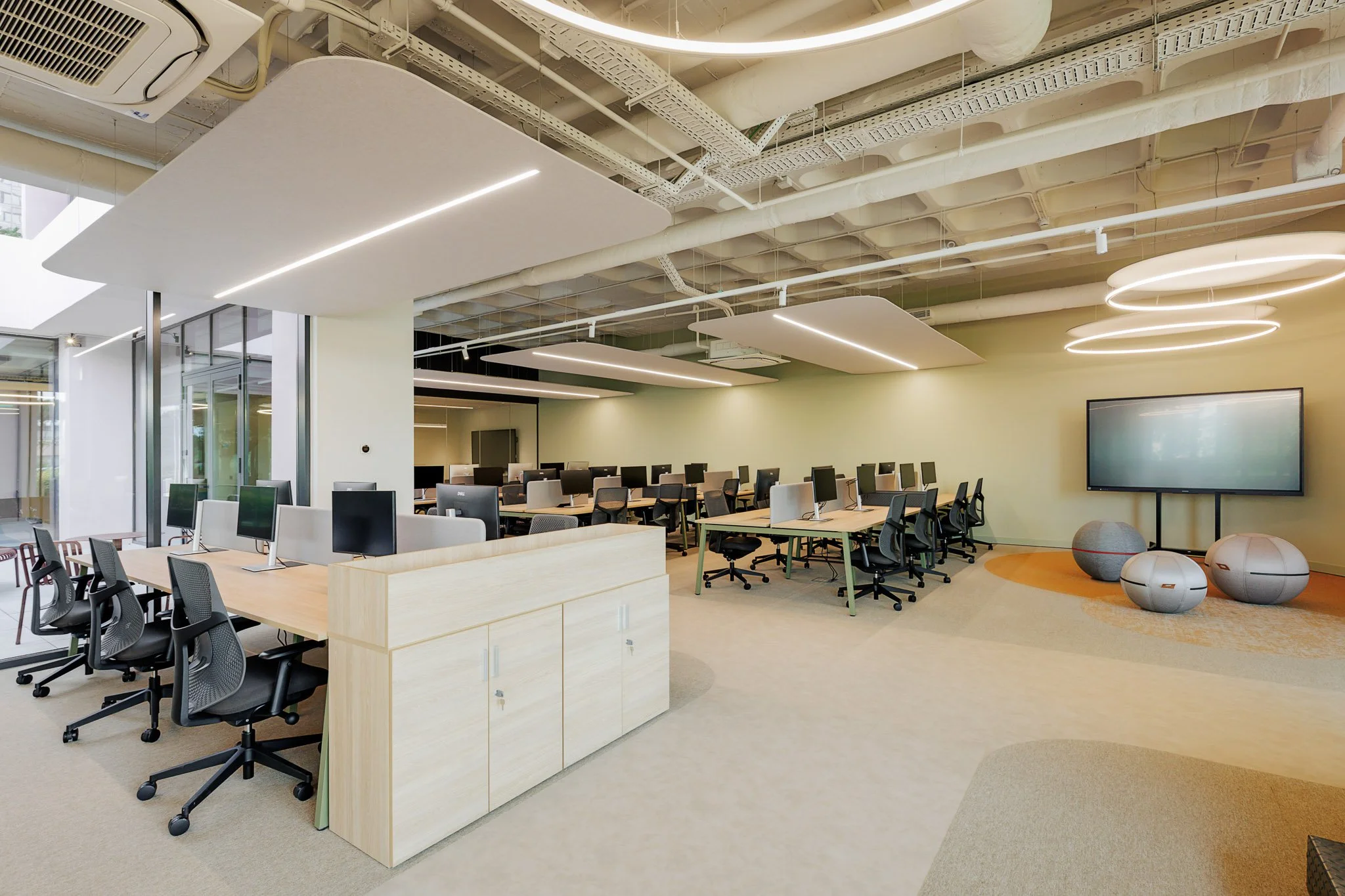
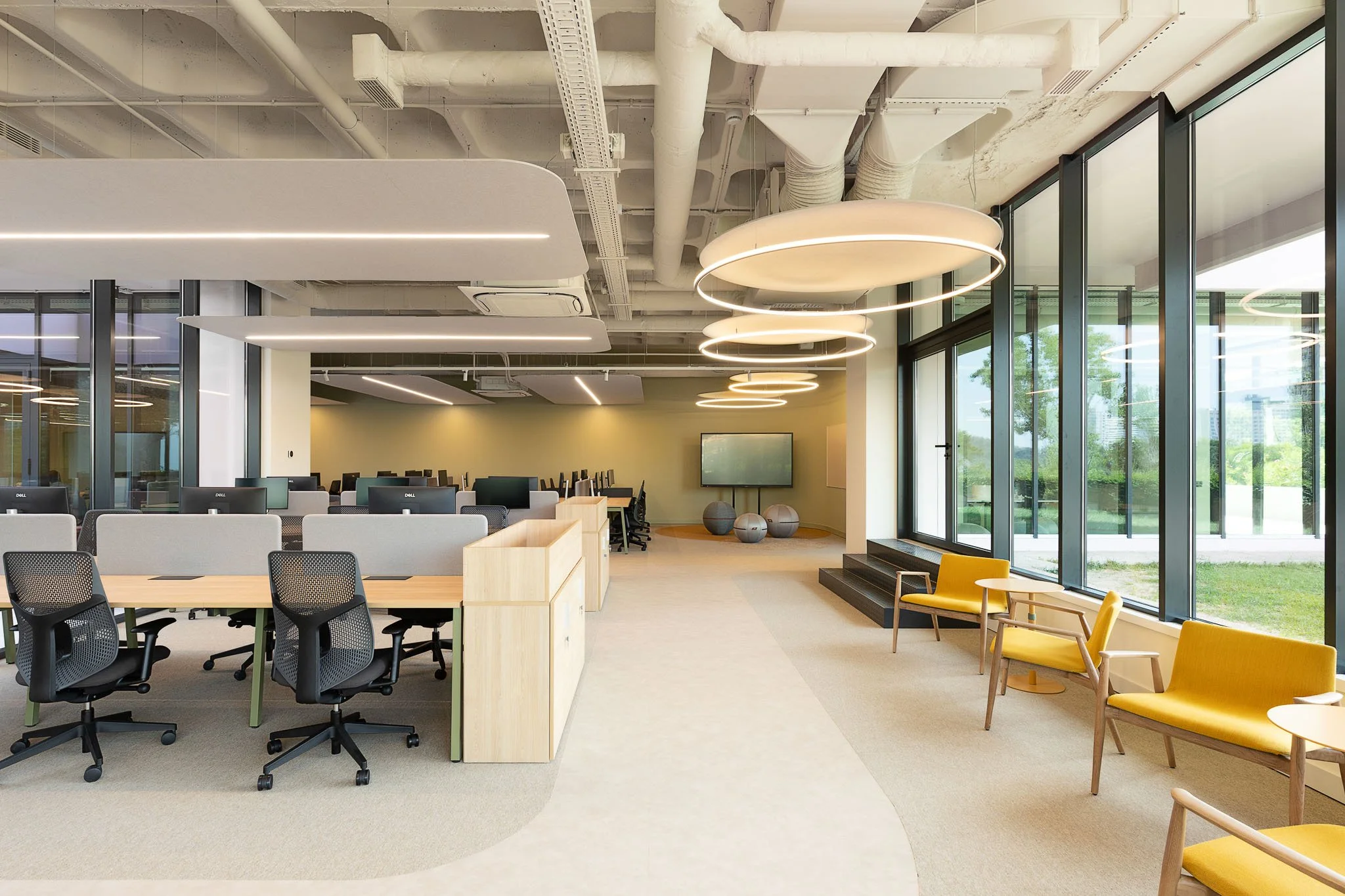
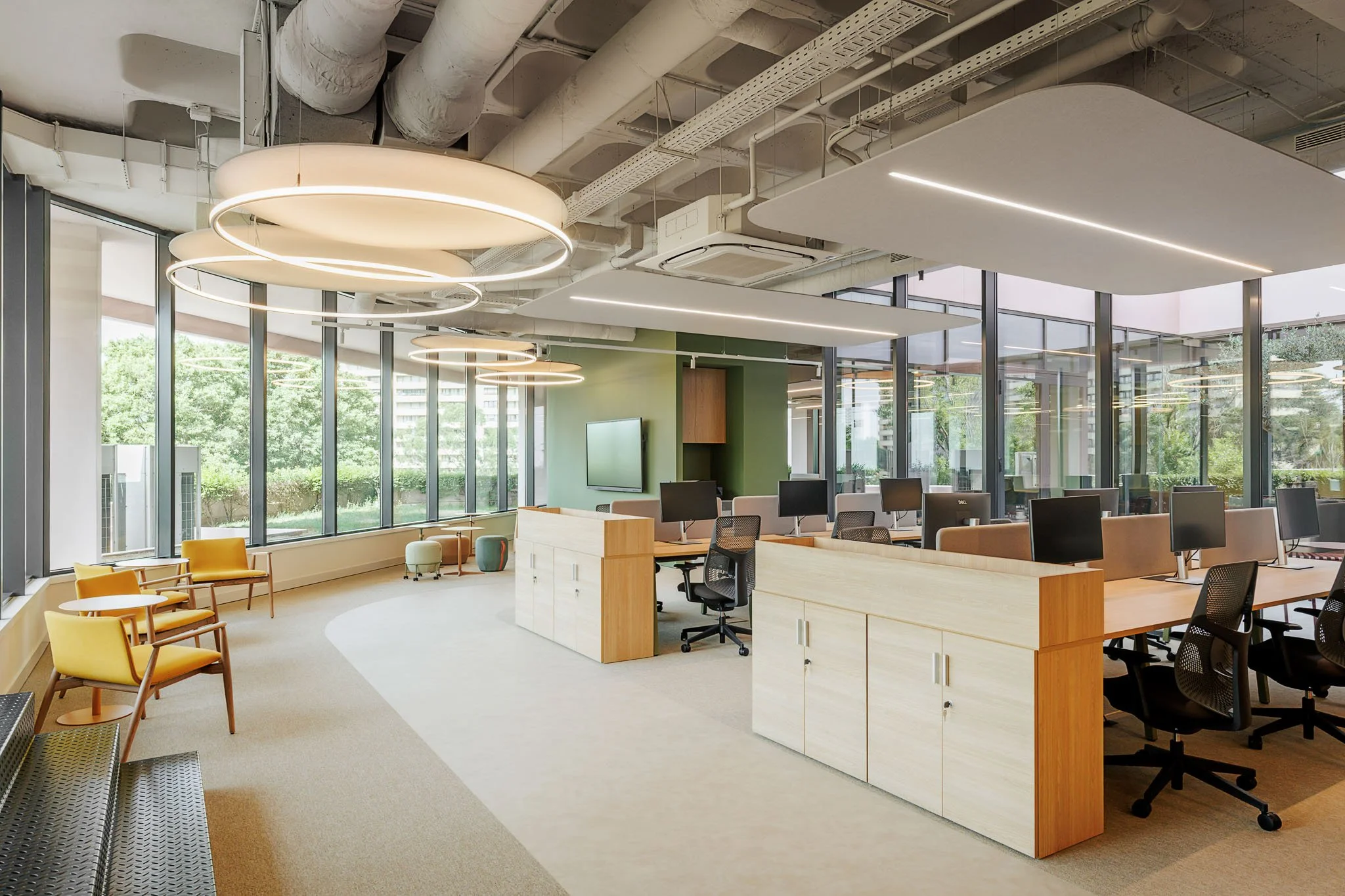
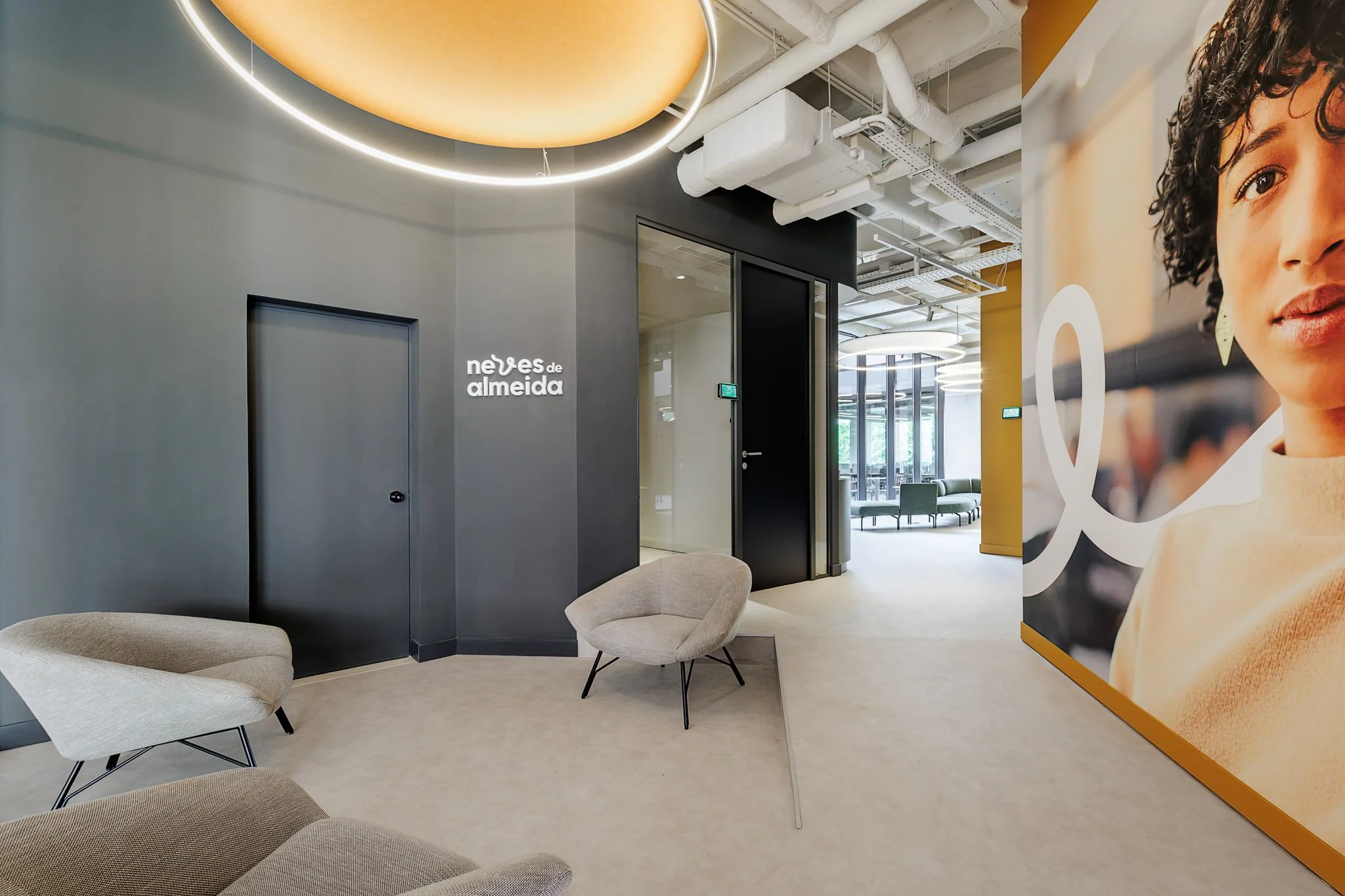
Present in Portugal since 1962, Cegoc recently renovated its Lisbon office. Vector Mais was responsible for the fit-out construction and furniture supply in a project designed by CBRE, with the primary goal of creating a more collaborative, flexible workspace aligned with new ways of working and learning.
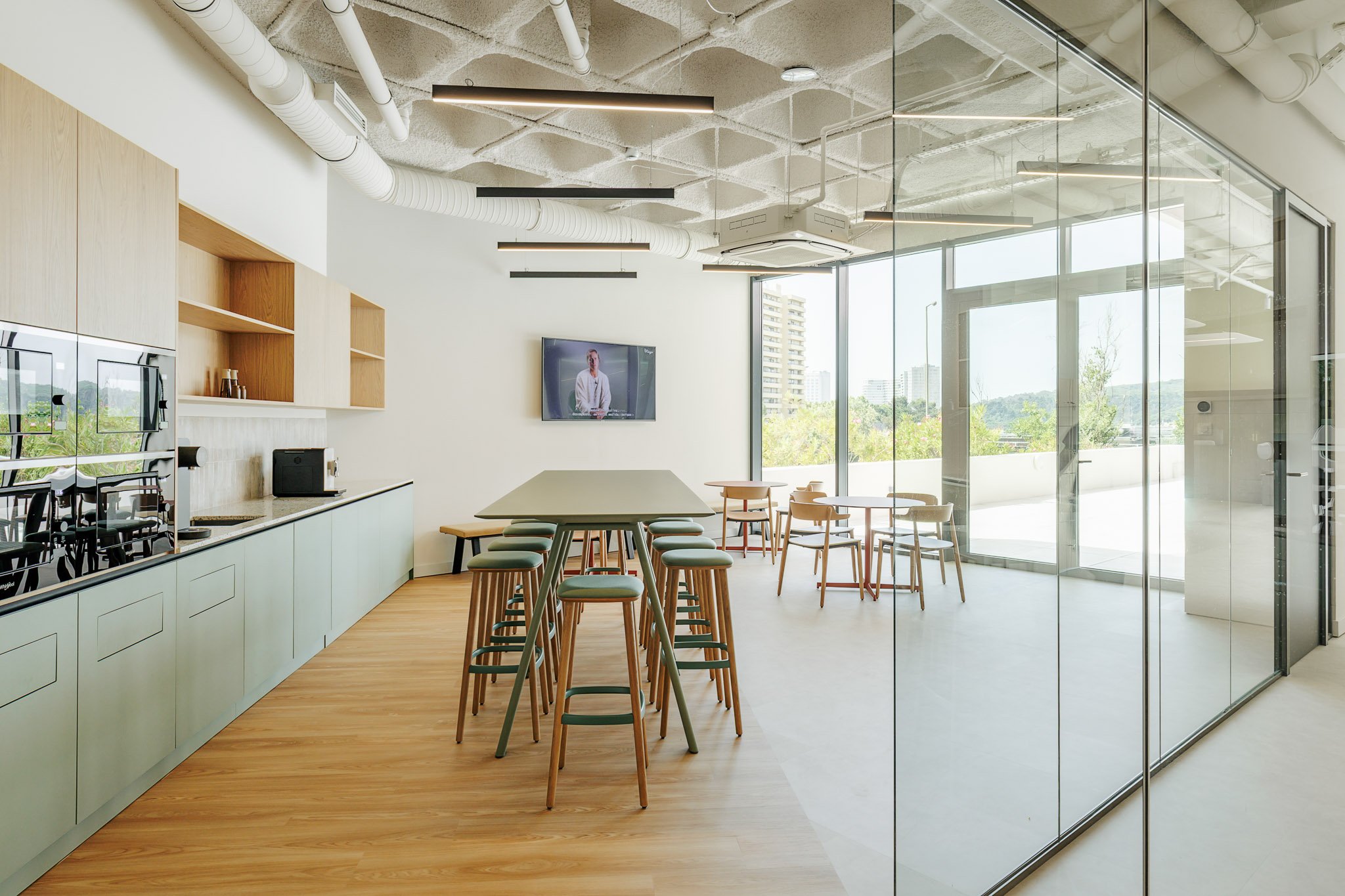
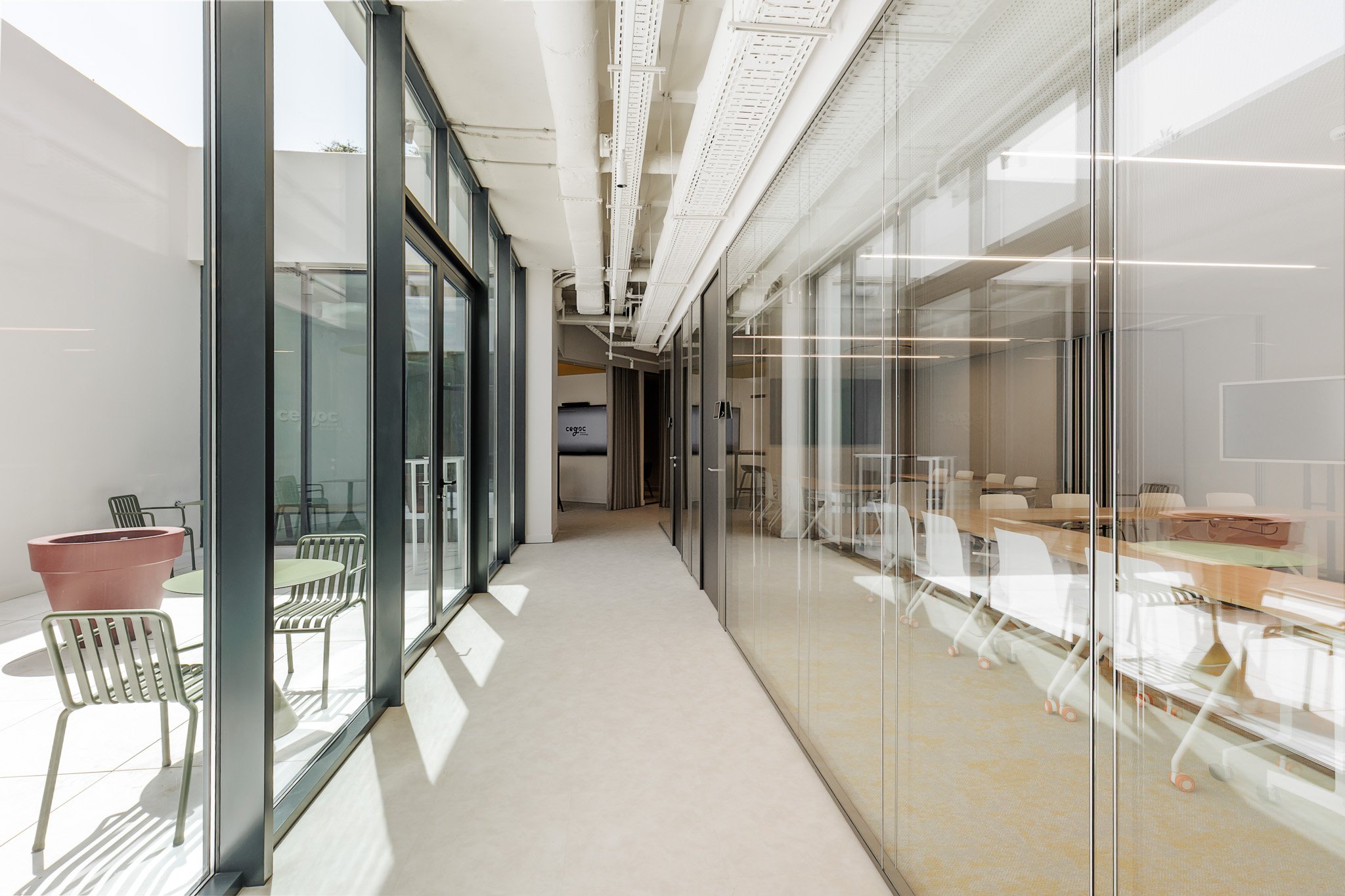
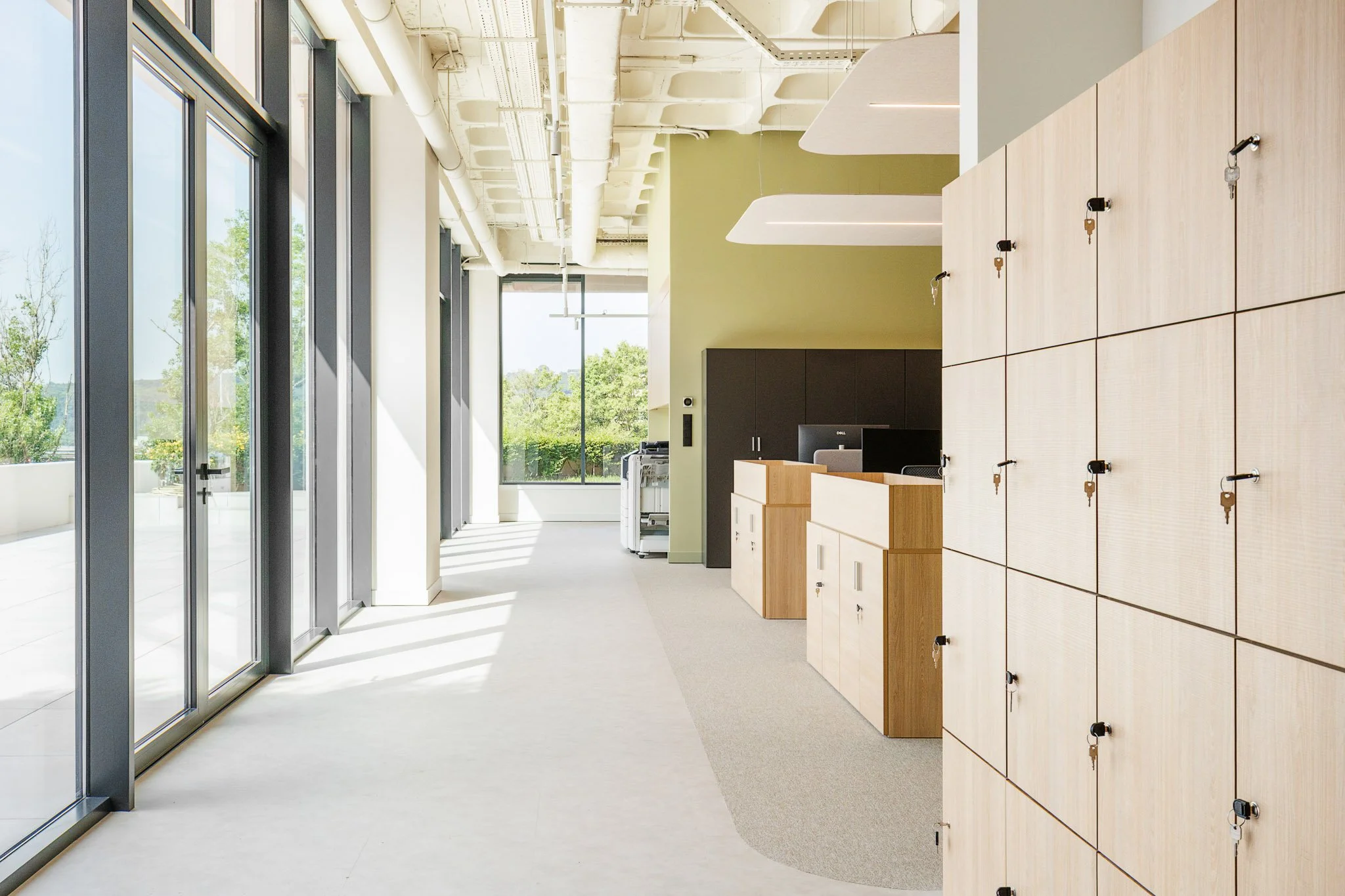
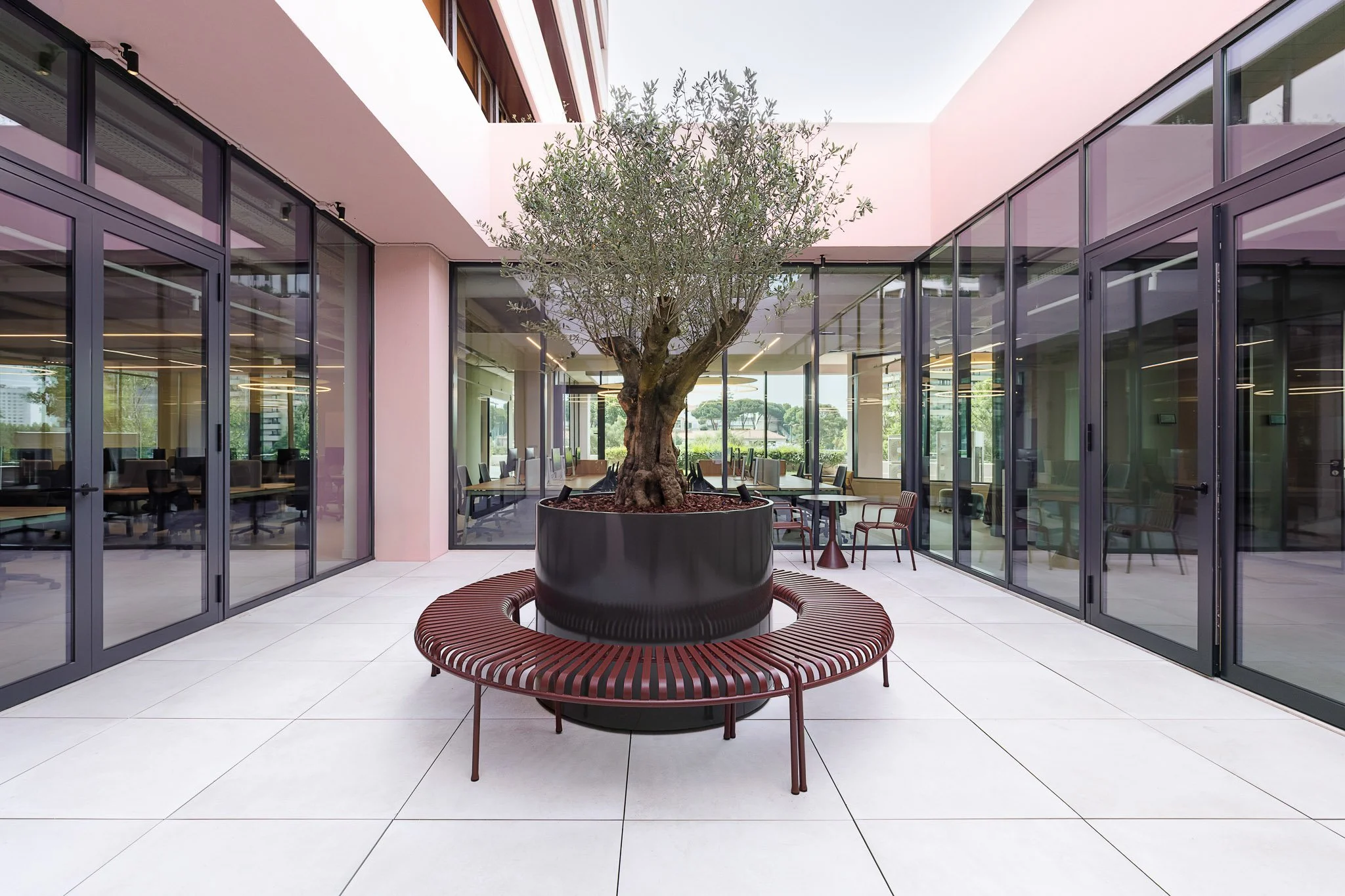
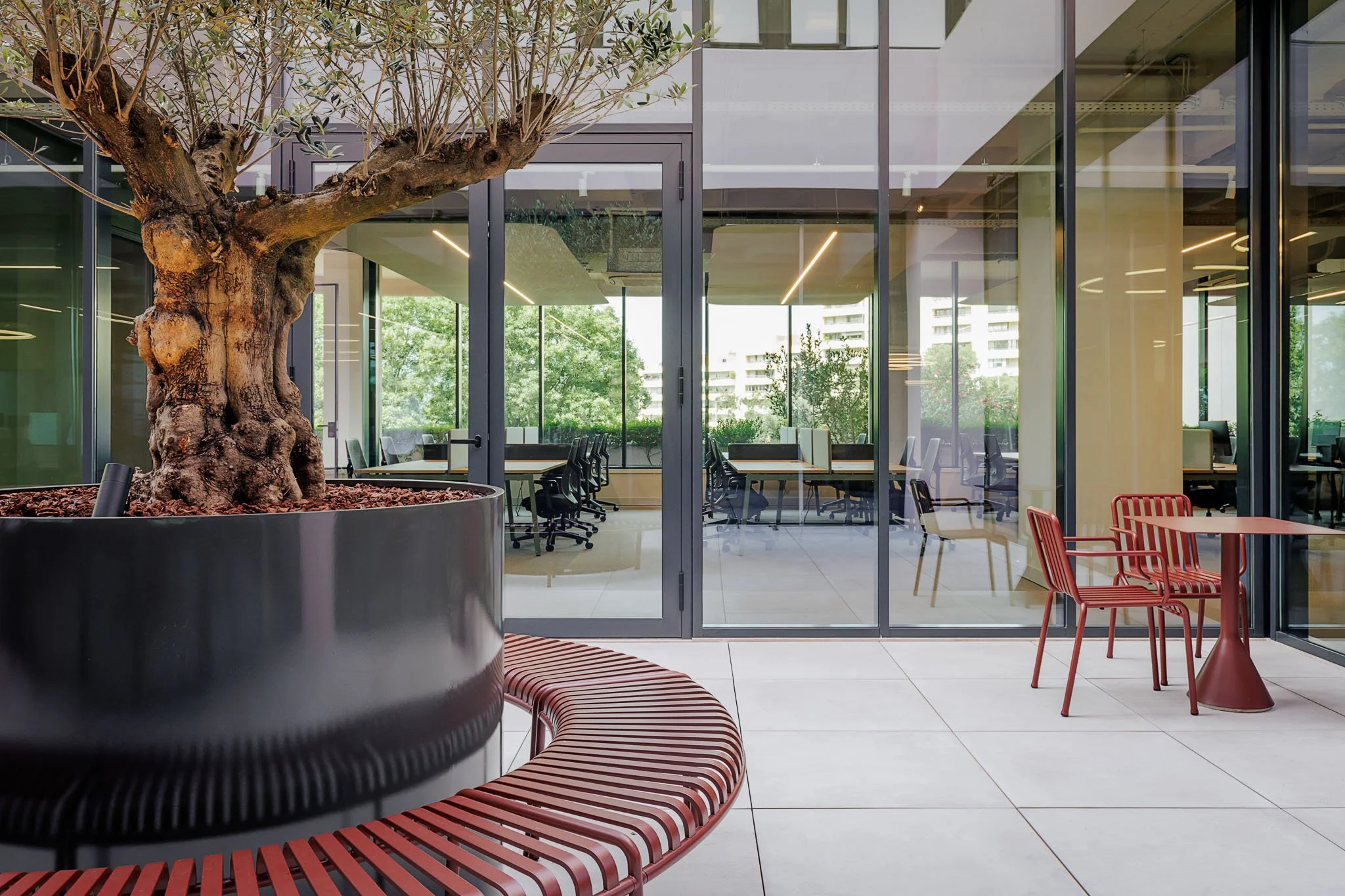
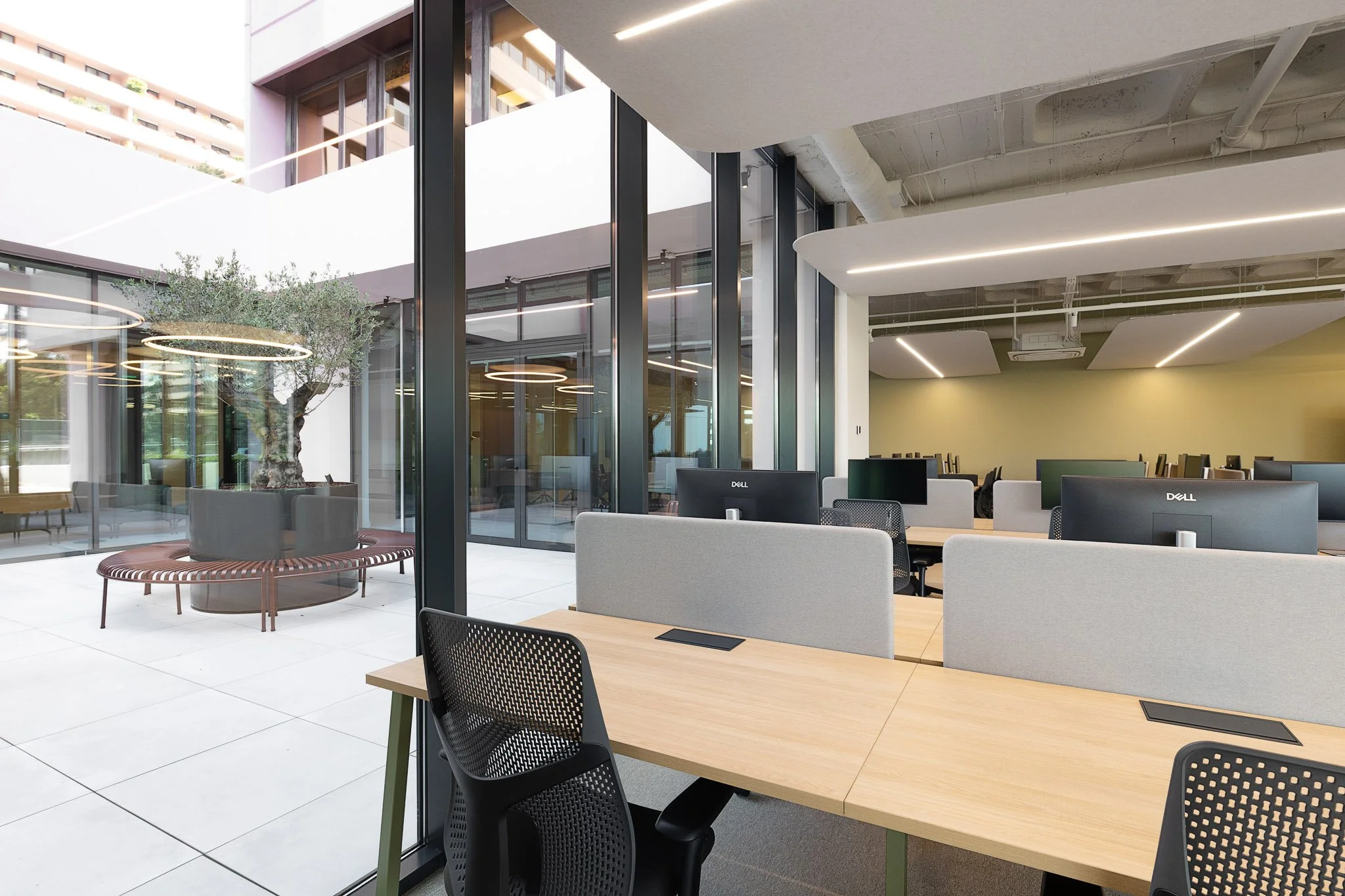
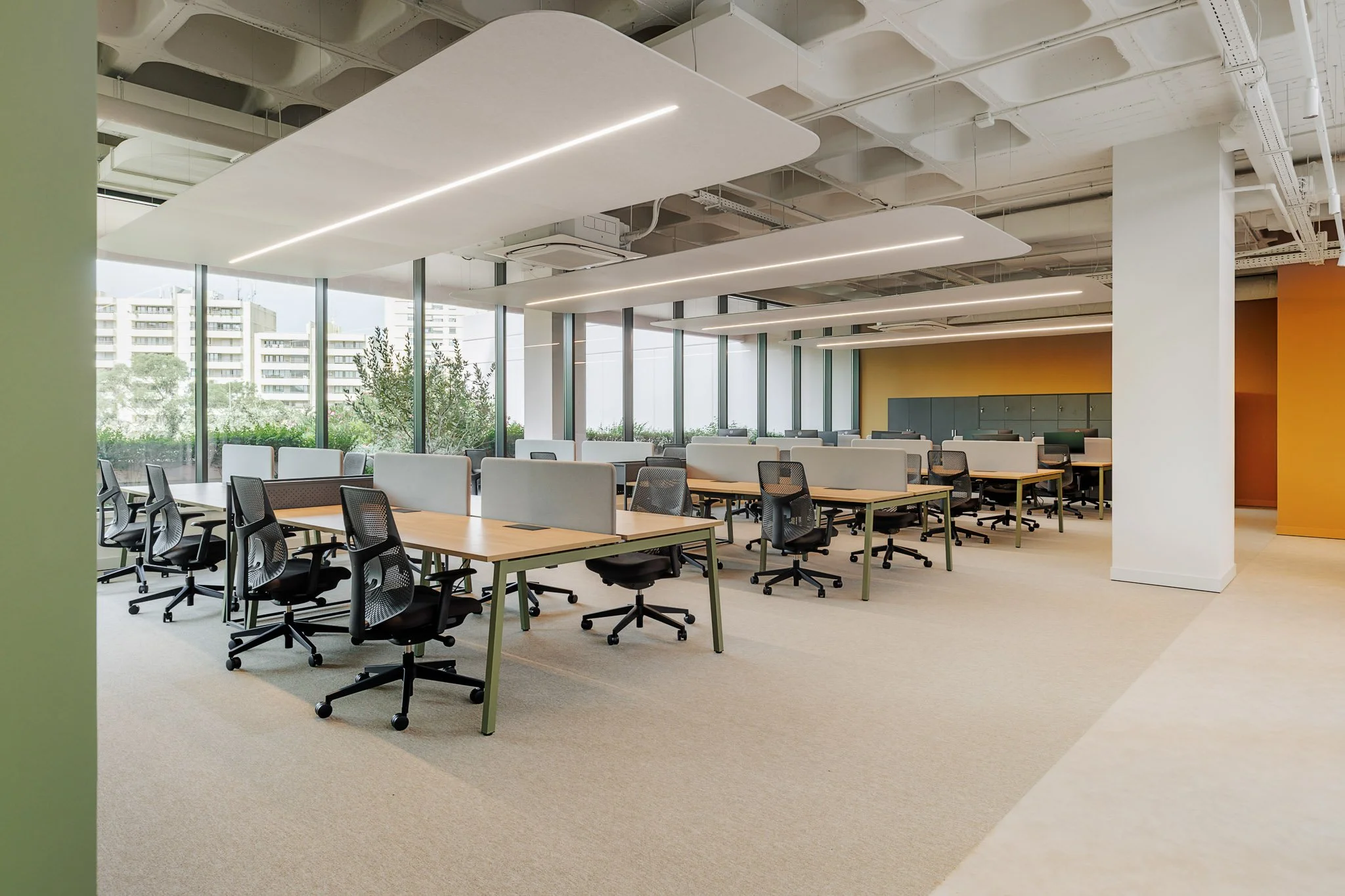
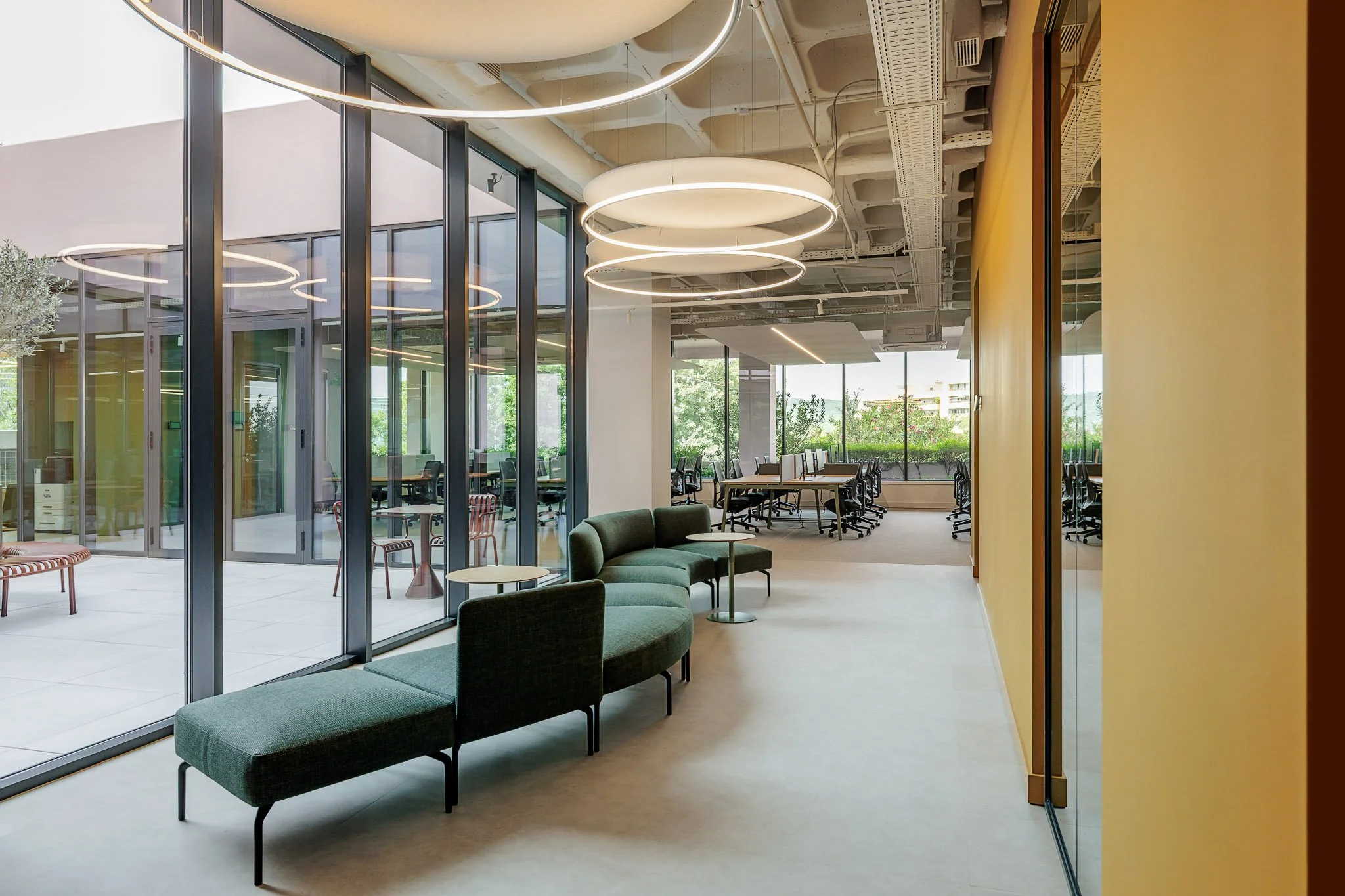
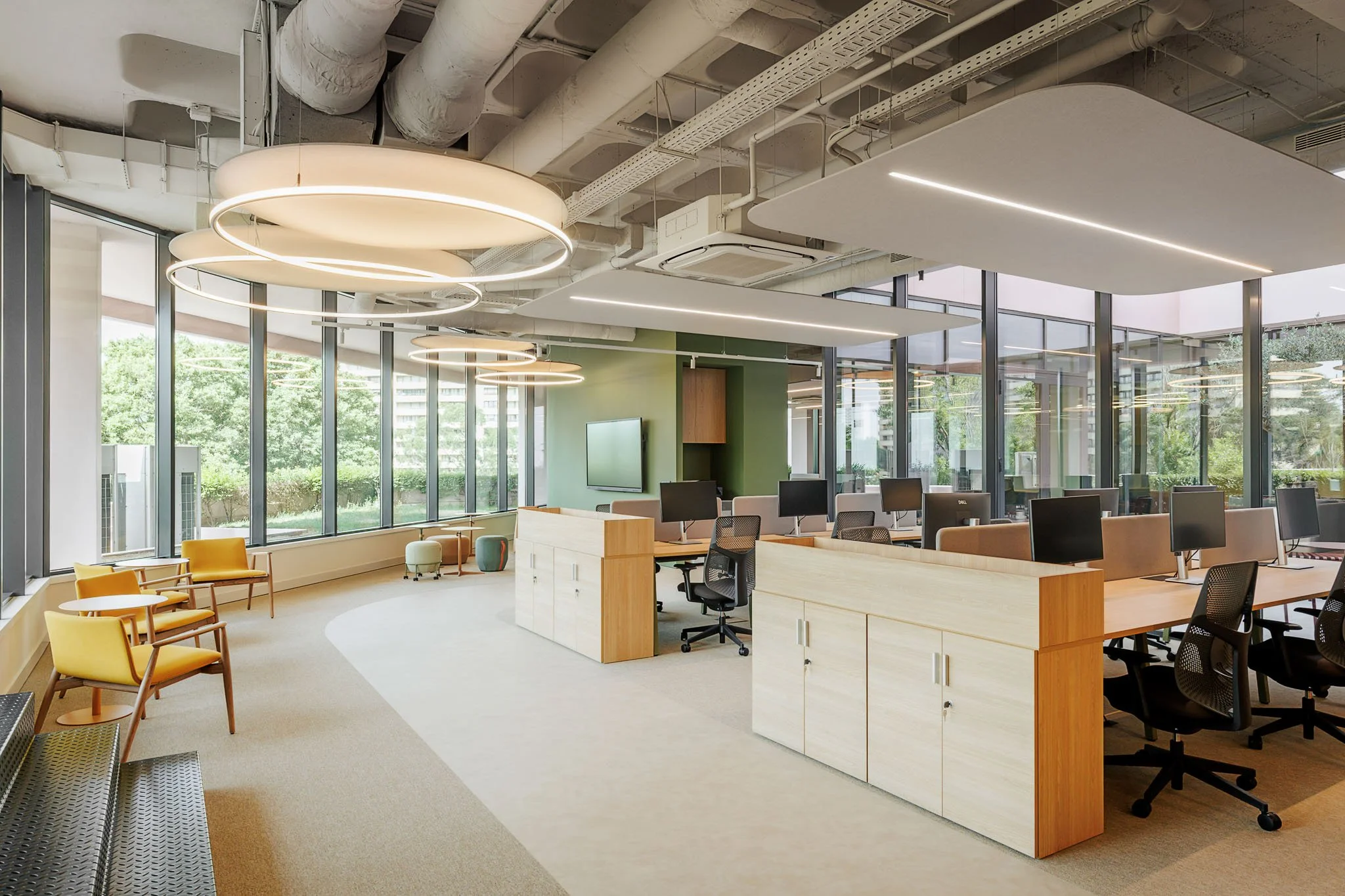
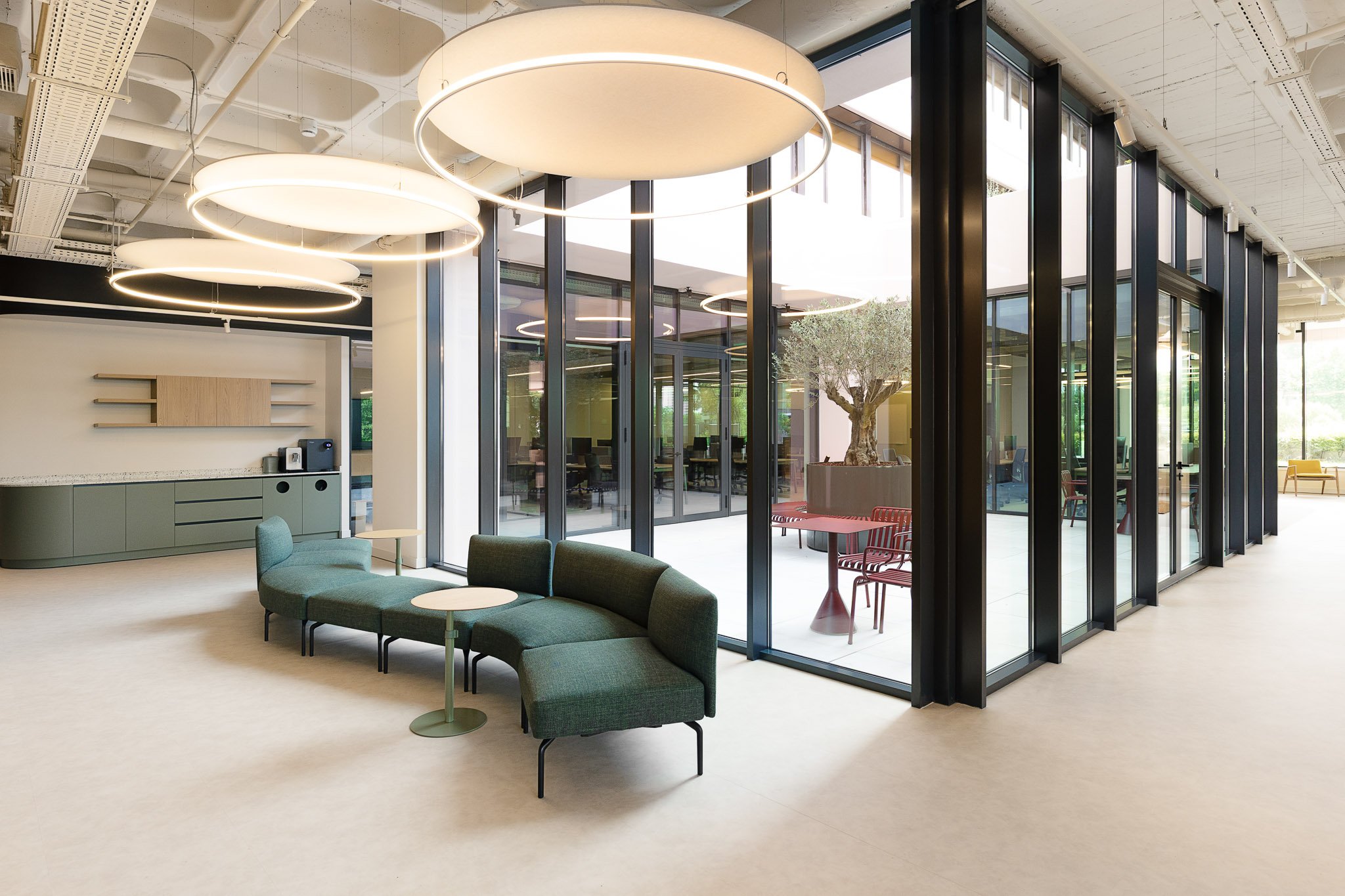
The intervention represented a profound transformation of the existing space. The former closed and compartmentalised layout gave way to a more open, fluid and light-filled environment, characterised by the integration of outdoor courtyards into the daily office experience. This new relationship between indoor and outdoor spaces maximises natural light and creates more comfortable and inspiring environments for users.
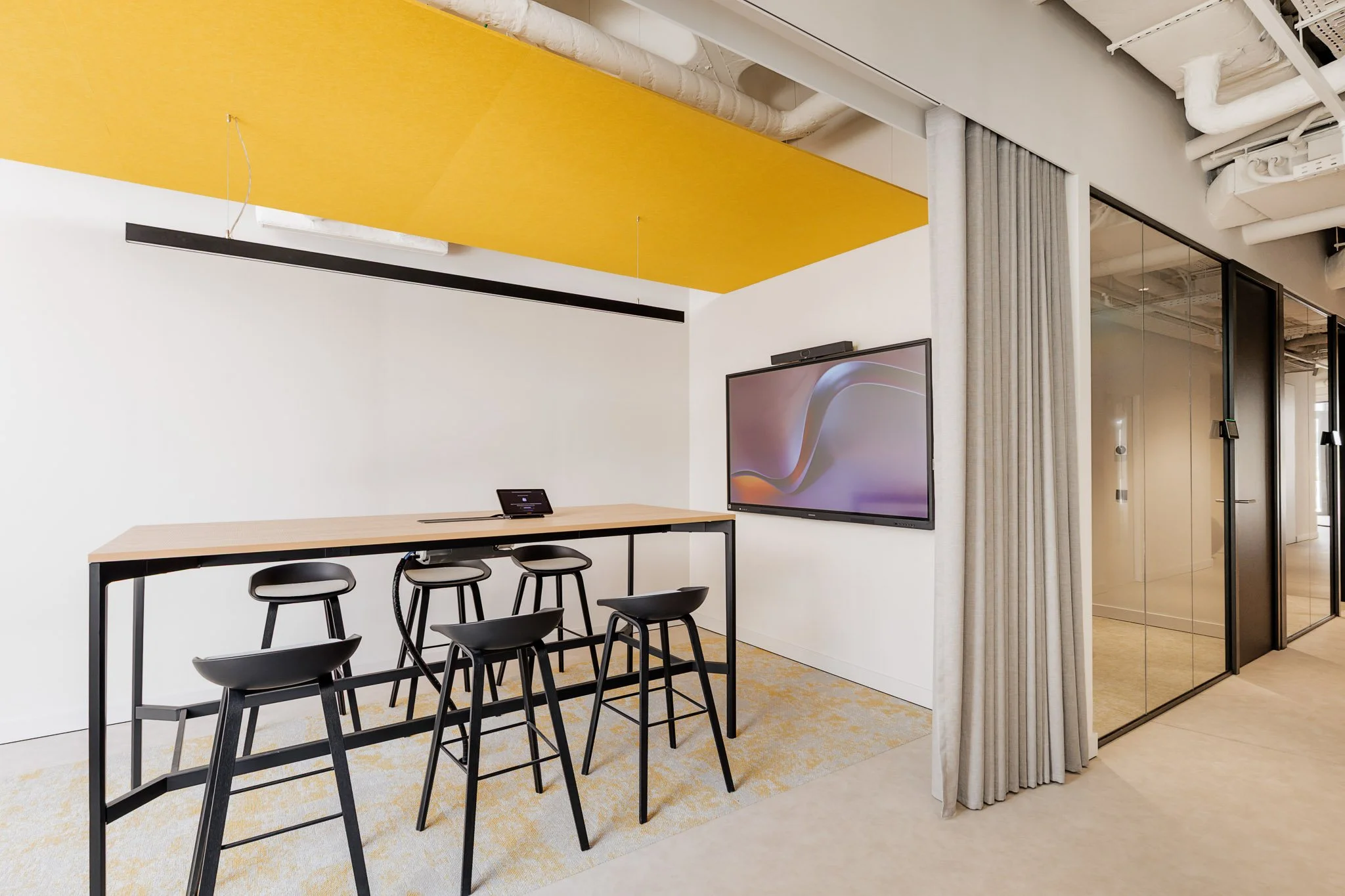
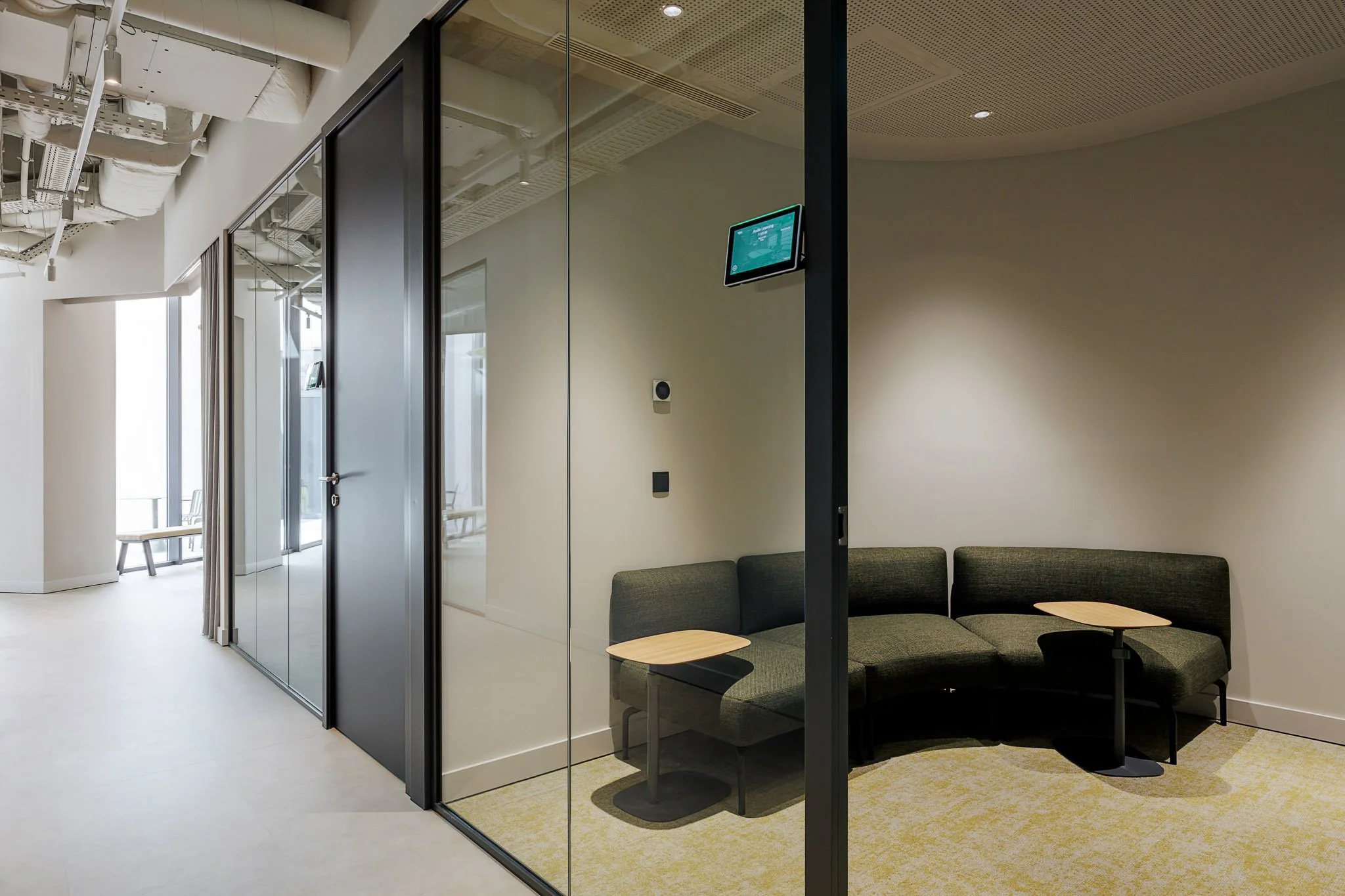
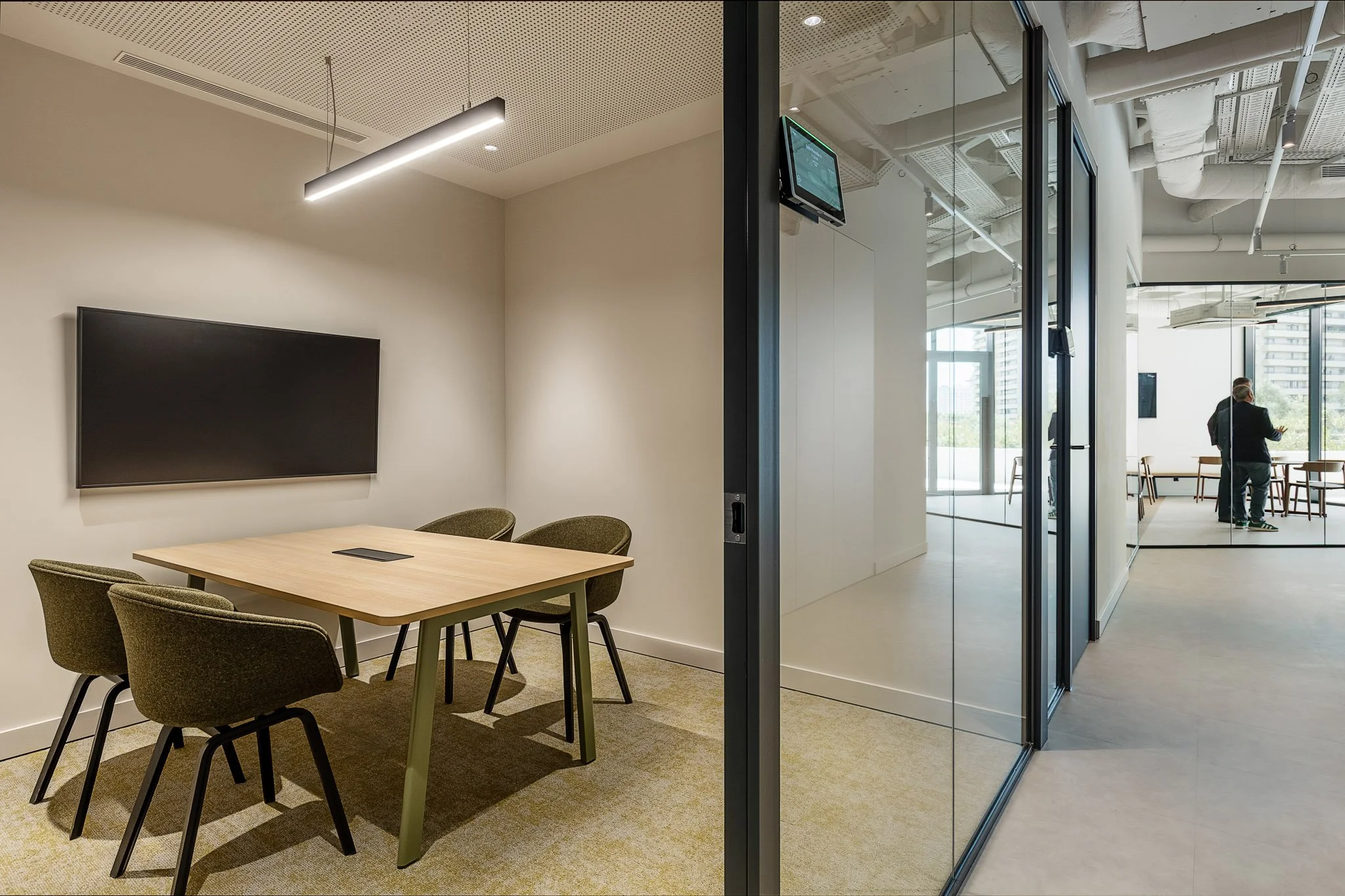
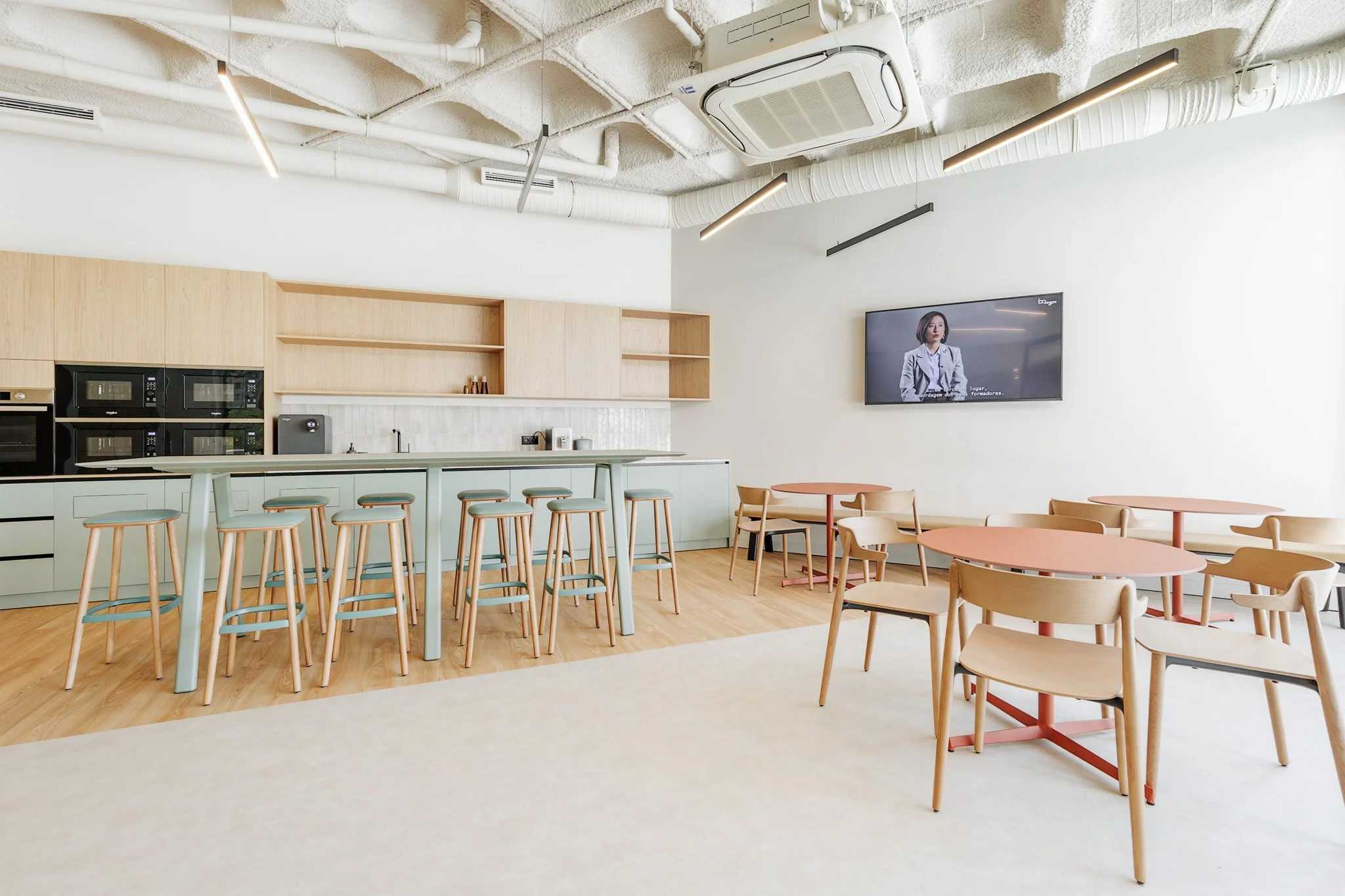
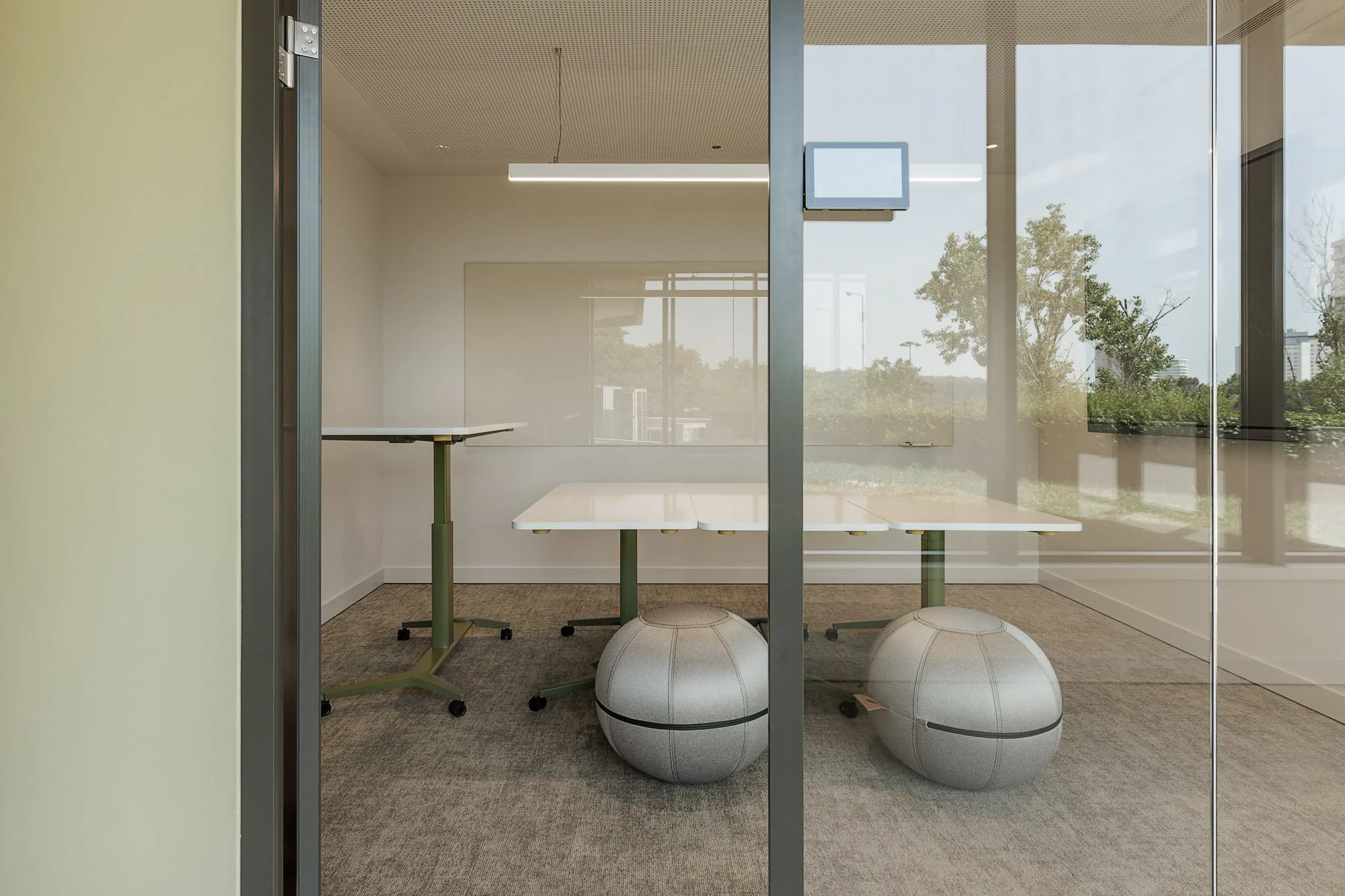
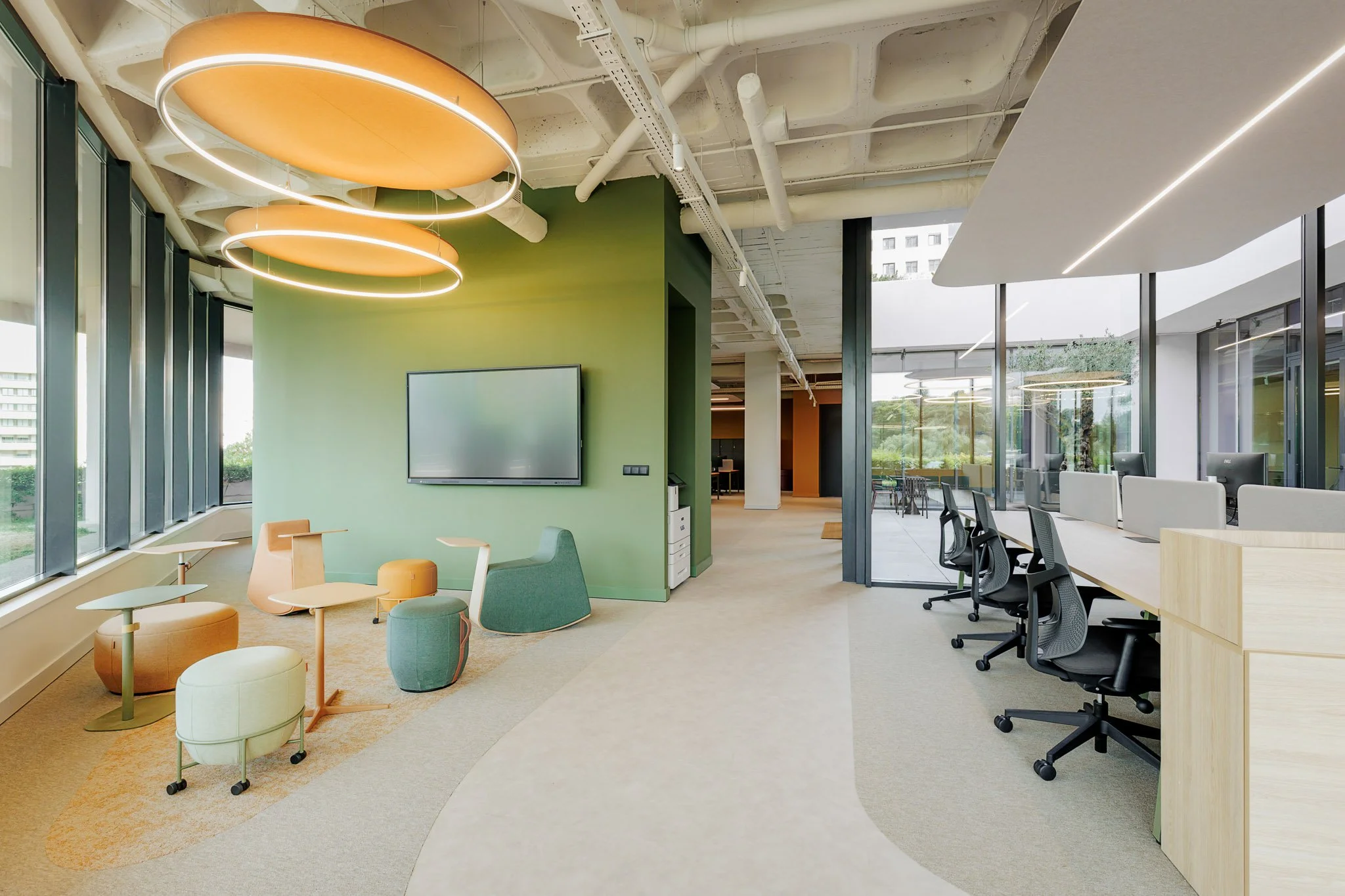
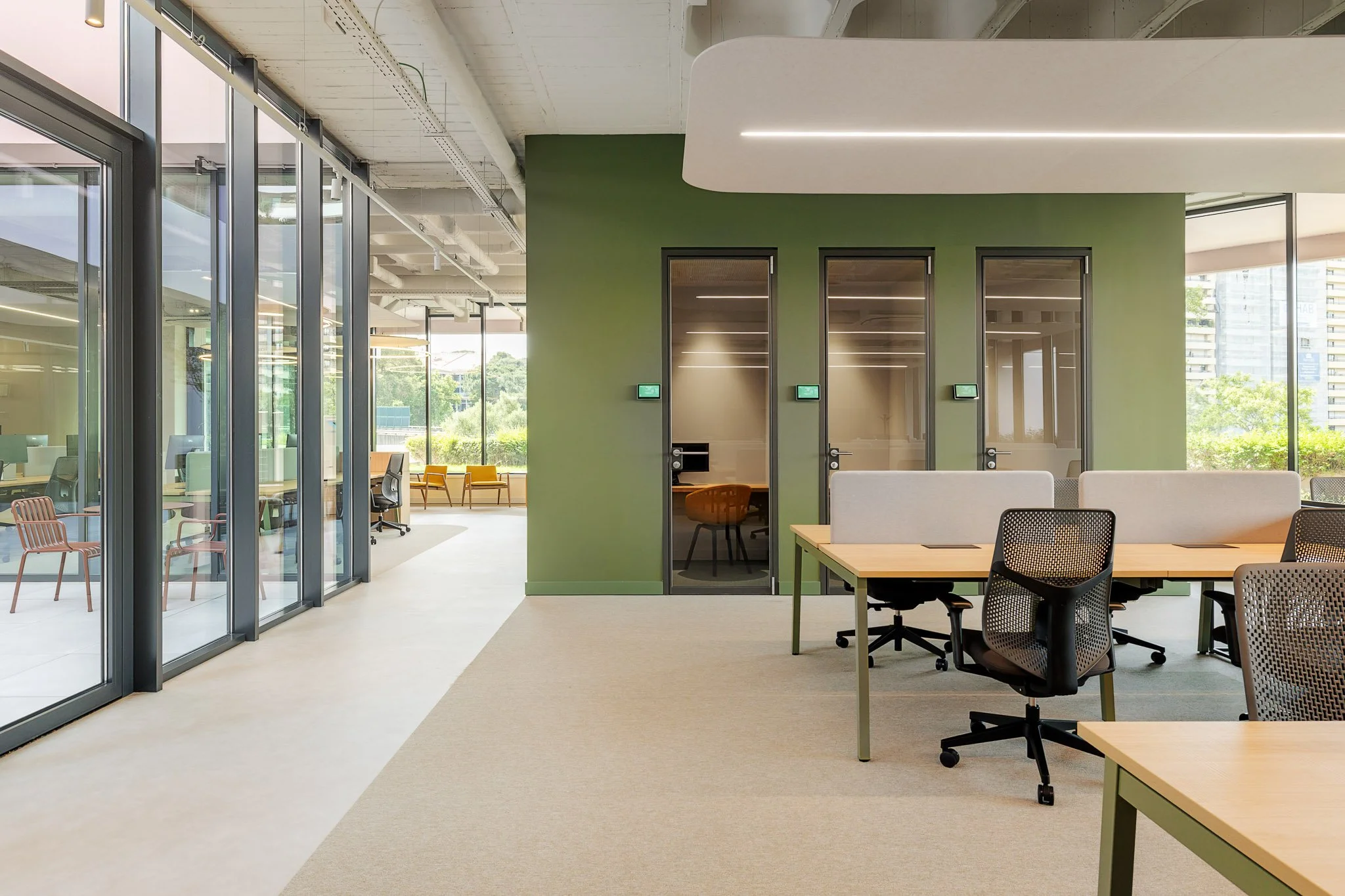
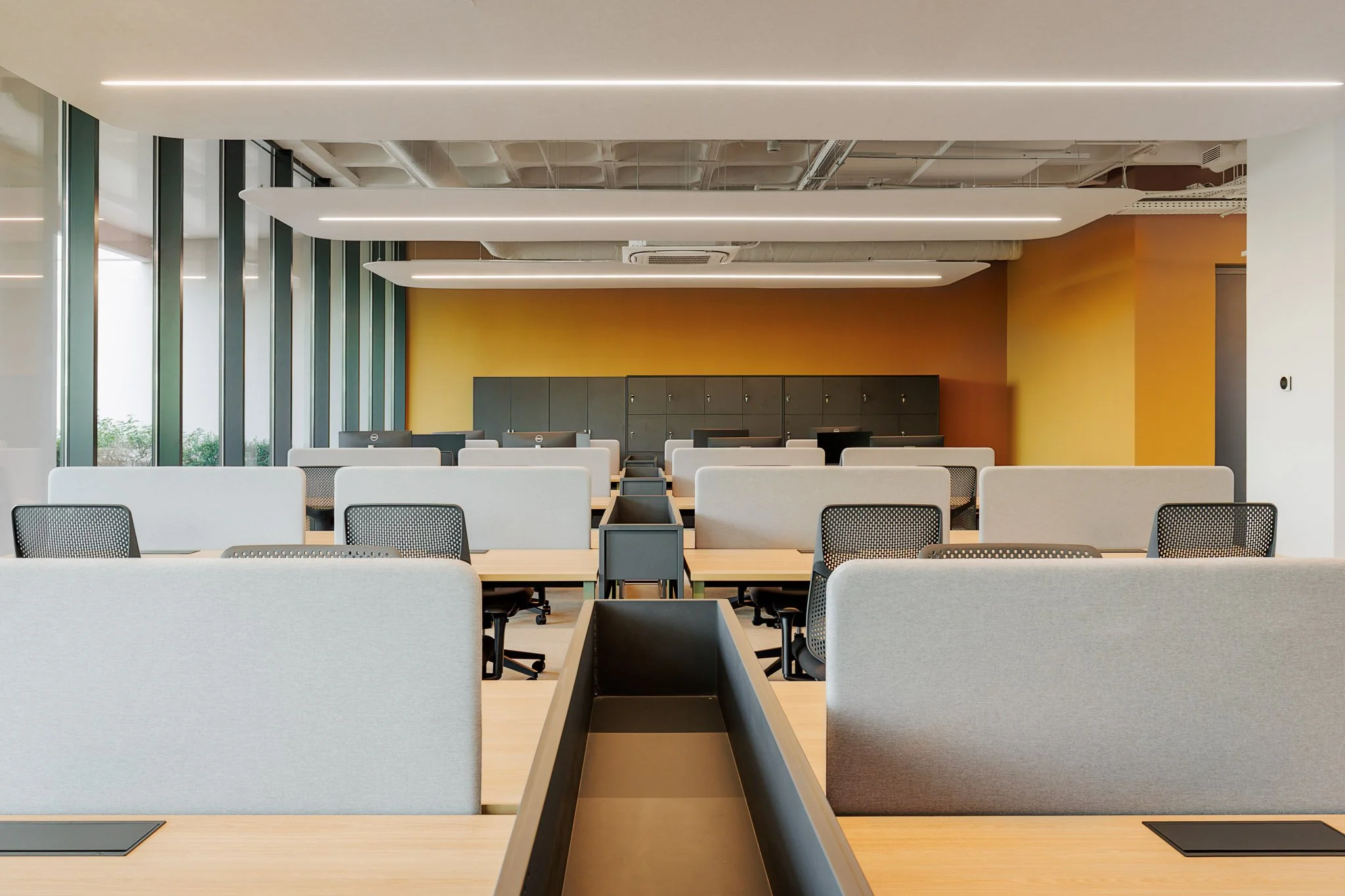
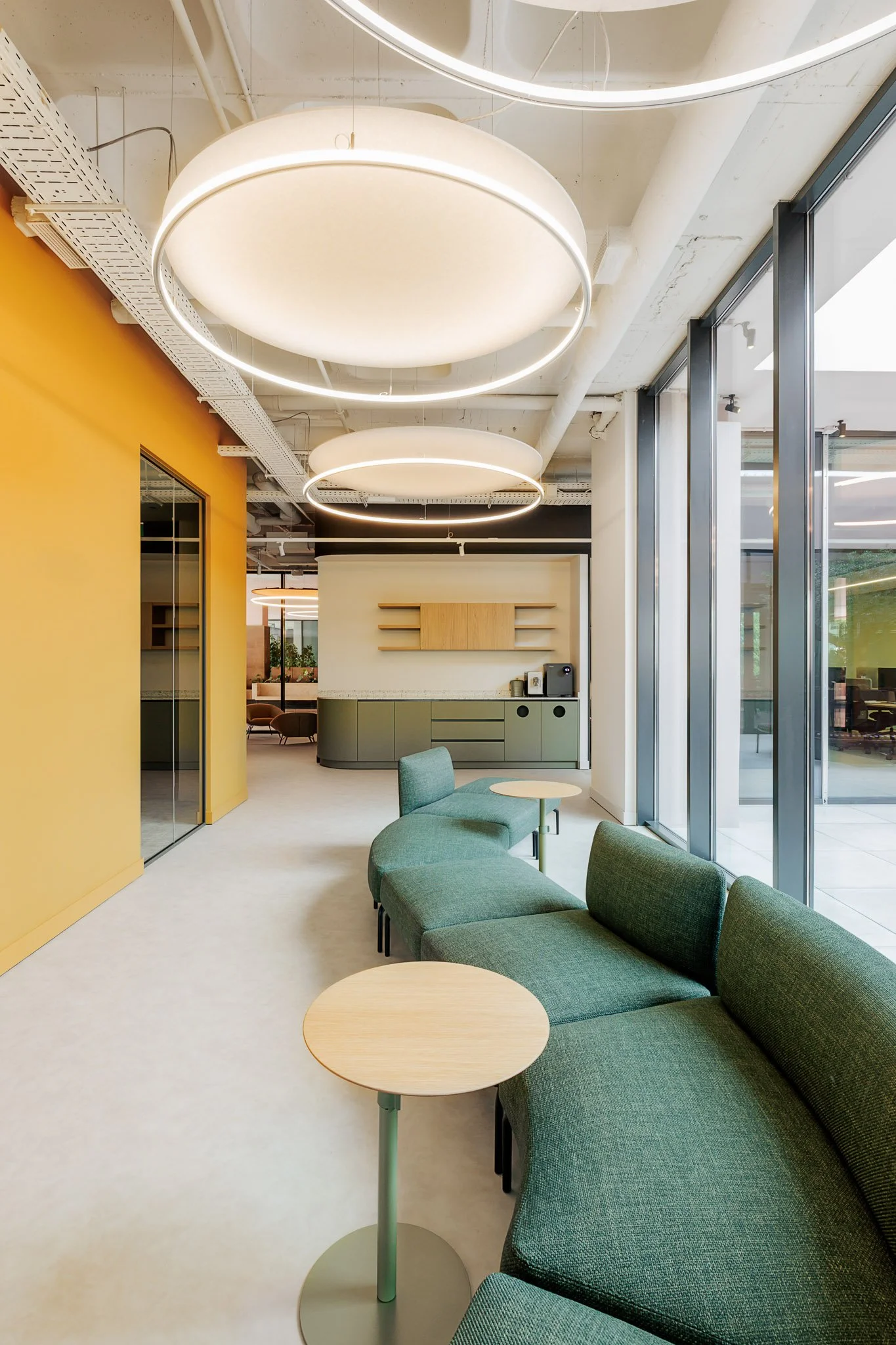
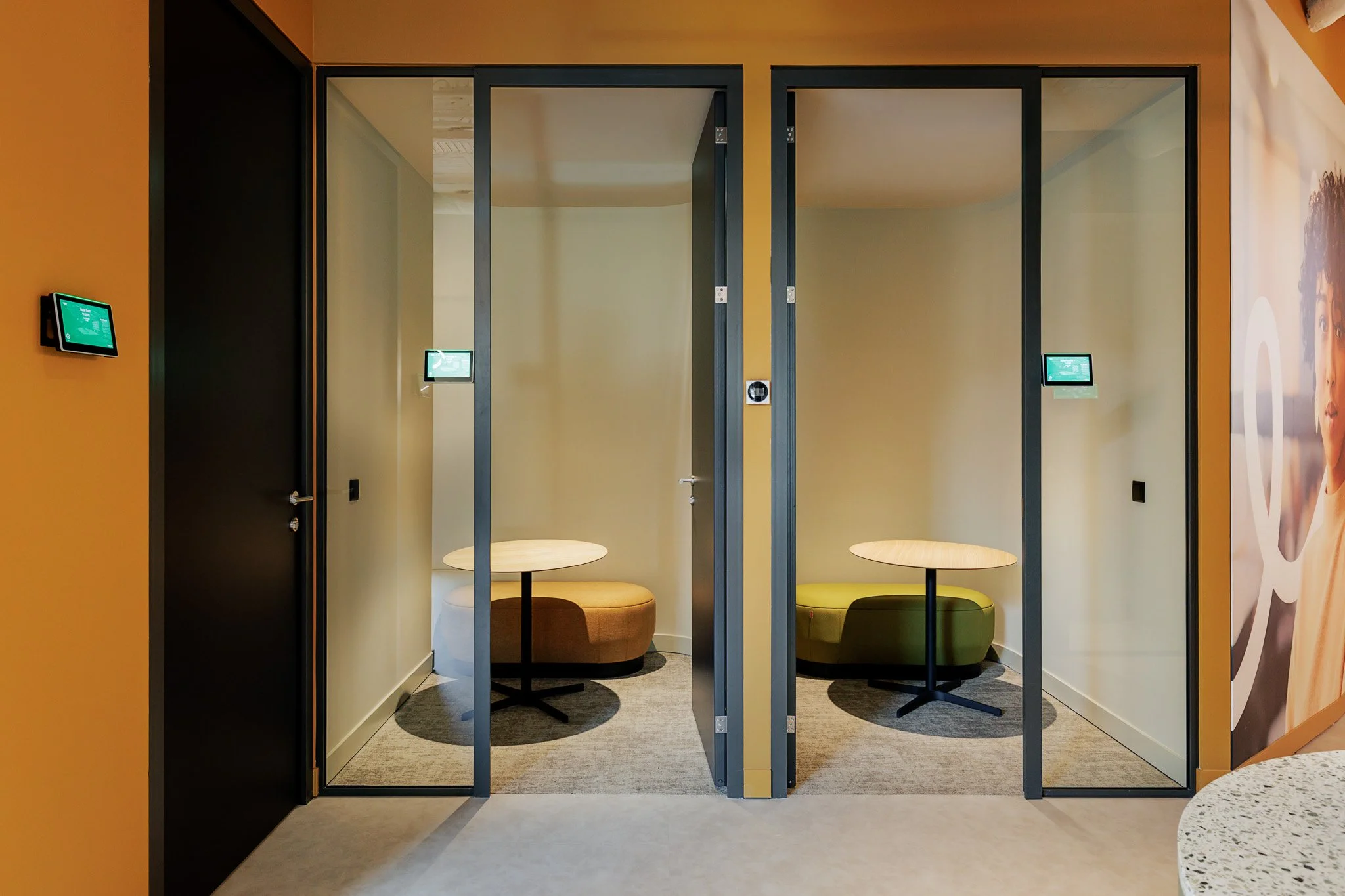
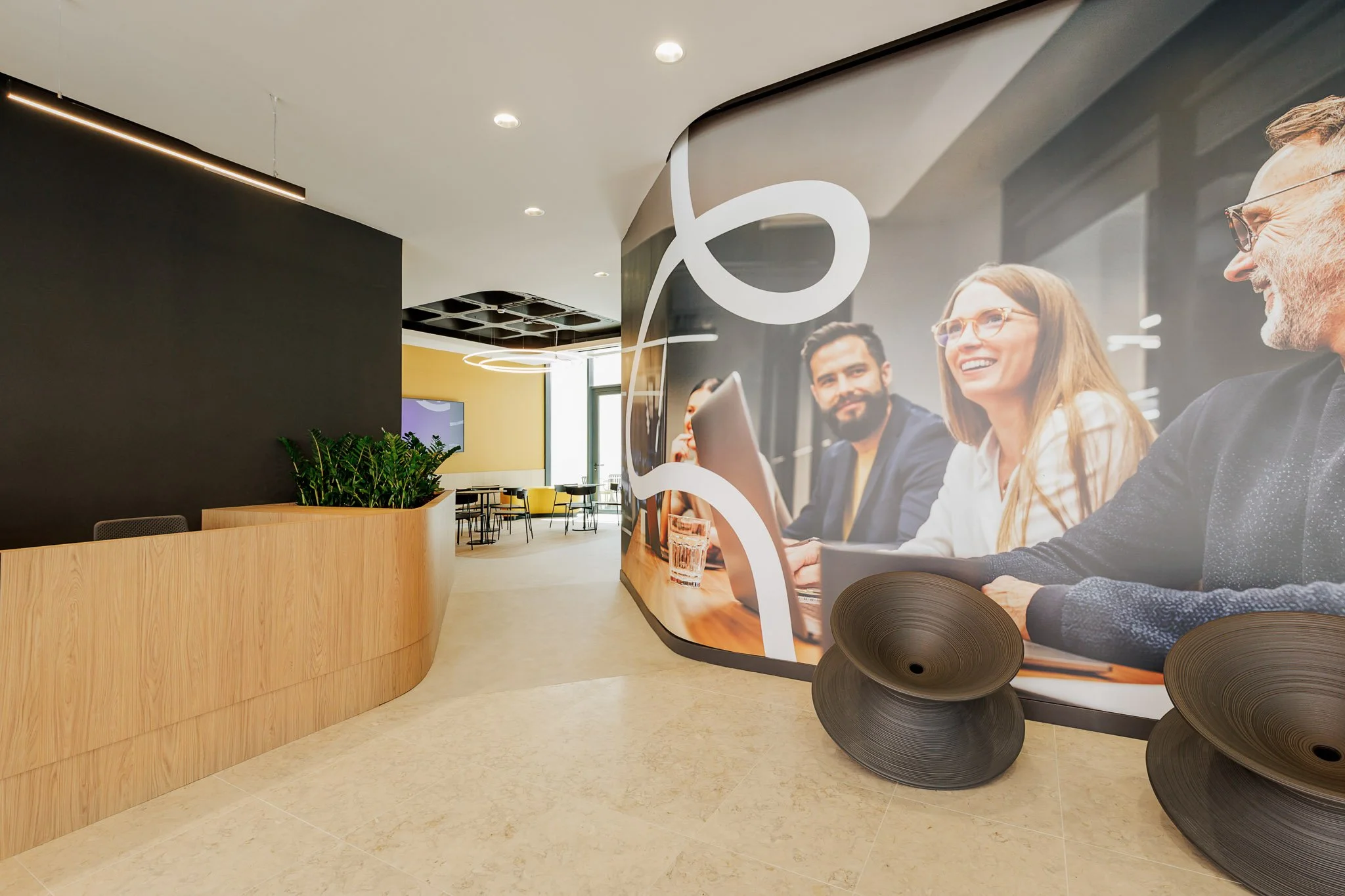
Organised around training areas, open-plan workspaces, meeting rooms, phone booths and collaborative zones, the new office reflects Cegoc’s culture and its commitment to knowledge sharing, innovation and well-being.
The close collaboration between Cegoc, CBRE and Vector Mais was fundamental in ensuring an execution aligned with the project vision, resulting in a workspace that reflects the organisation’s evolution and its readiness for future challenges.
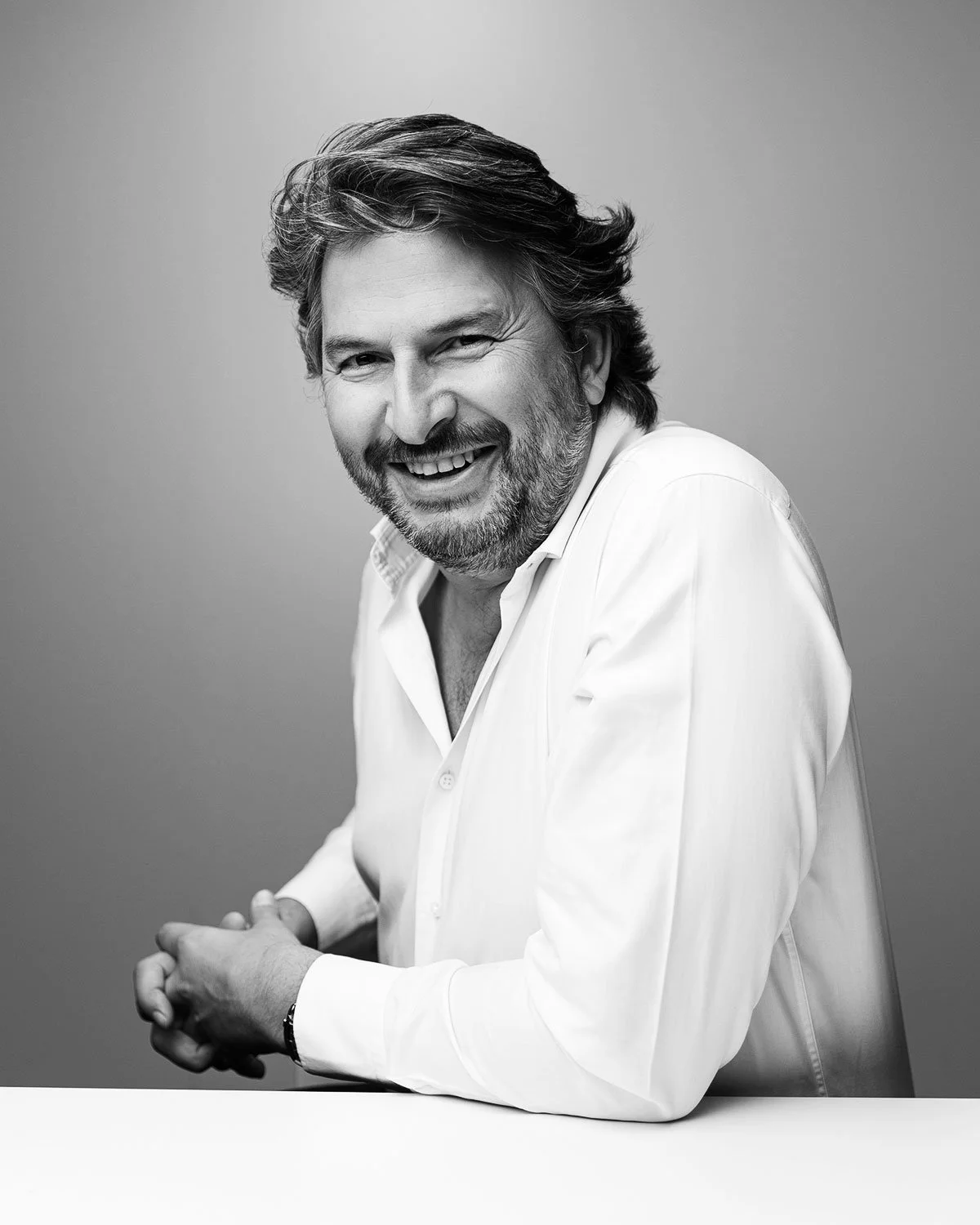
“Regarding Vector Mais, our assessment is extremely positive. From the very beginning, they demonstrated a strong ability to understand our vision and translate it into practical solutions, always with professionalism, a collaborative approach and great attention to detail. Throughout the entire process, we felt there was a genuine partnership, characterised by execution capability, flexibility and a commitment to quality. The final result fully meets our expectations, and we believe the new workspace authentically represents what Cegoc is today and what it intends to continue being in the future.”
Ricardo Martins
General Manager | Cegoc
What is the significance of this renovation for Cegoc?
Much more than a physical transformation of the workplace, the renovation of our Lisbon offices reflects Cegoc’s evolution as an organisation and the way we view the future of work, learning and collaboration. In a particularly symbolic year, as the Cegos Group celebrates 100 years of history, this renovation represents our ambition to continue innovating while remaining true to the values that have always distinguished us: proximity, collaboration, excellence, agility and a commitment to human development.
We wanted to create a space that reflects the identity of today’s Cegoc — more collaborative, more flexible, more technological and, above all, more people-centred. The new office was designed to encourage knowledge sharing, creativity and employee well-being, while also providing a more inspiring experience for clients, partners and employees.
How was Cegoc’s corporate culture translated into the workplace?
Cegoc’s corporate culture was present throughout the entire design process. We sought to create environments that encourage co-creation and continuous learning within a space that fosters collaboration, teamwork and innovation — core elements of our mission as a leading organisation in Learning & Development, People & Culture, Executive Search and Talent Assessment.
The organisation of the spaces, the selection of materials, the integration of collaborative areas, interior courtyards and more informal environments all reflect this vision of a human-centred, dynamic company prepared for the challenges of the future.

“The collaboration with Vector Mais throughout the entire process was instrumental to the project’s success. The final result reflects the effective and continuous coordination between the CBRE and Vector Mais teams, as well as a close relationship with Cegoc from the earliest stages. The strong cooperation with the construction teams was equally essential, ensuring an execution aligned with the project objectives. This collaborative dynamic was a key factor in achieving a high level of quality and satisfaction in the final outcome.”
Inês Pinheiro, architect at CBRE, who worked on this project alongside Jennifer Cleary
What was Cegoc’s brief, and how was it translated into the project?
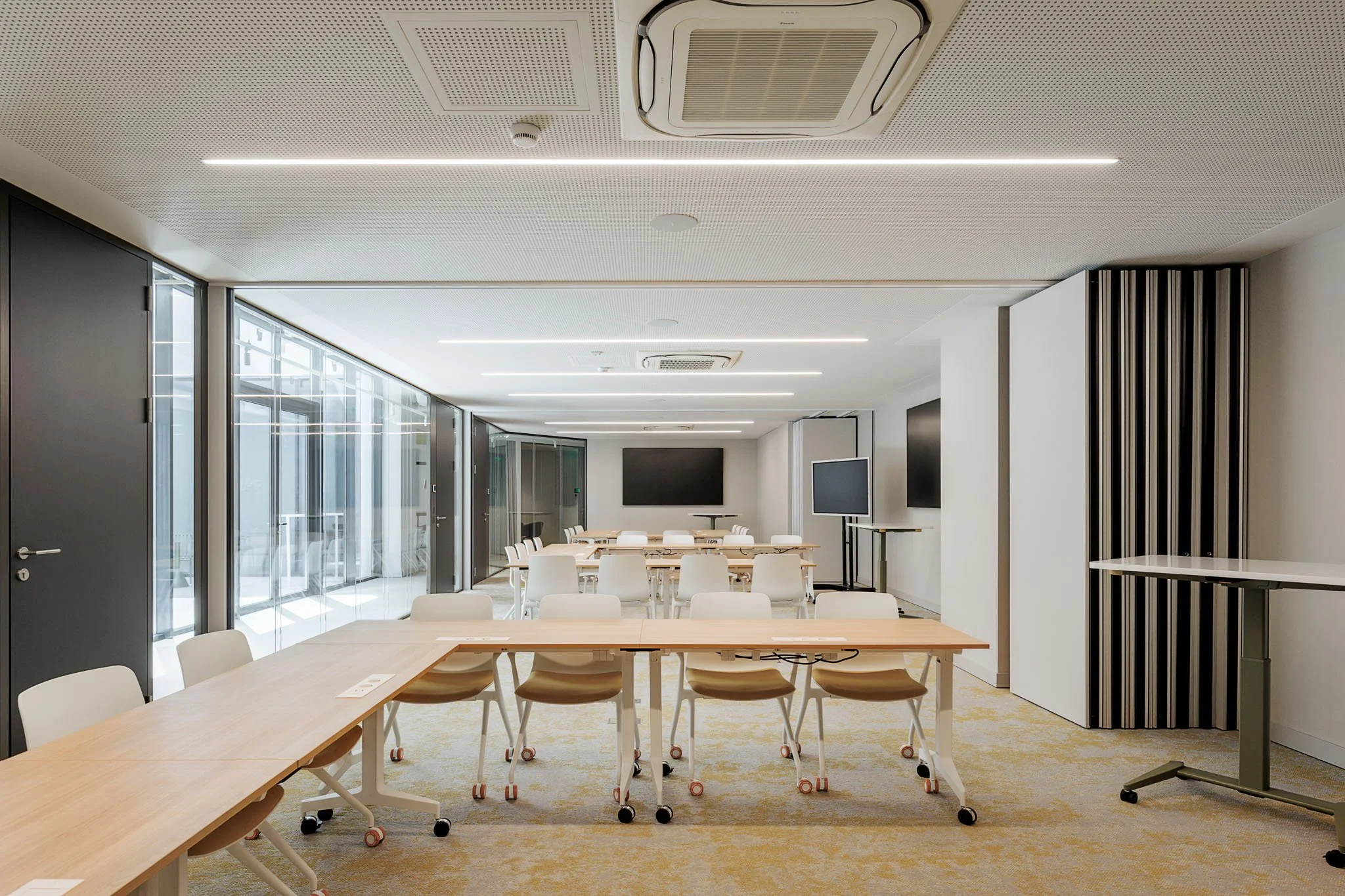
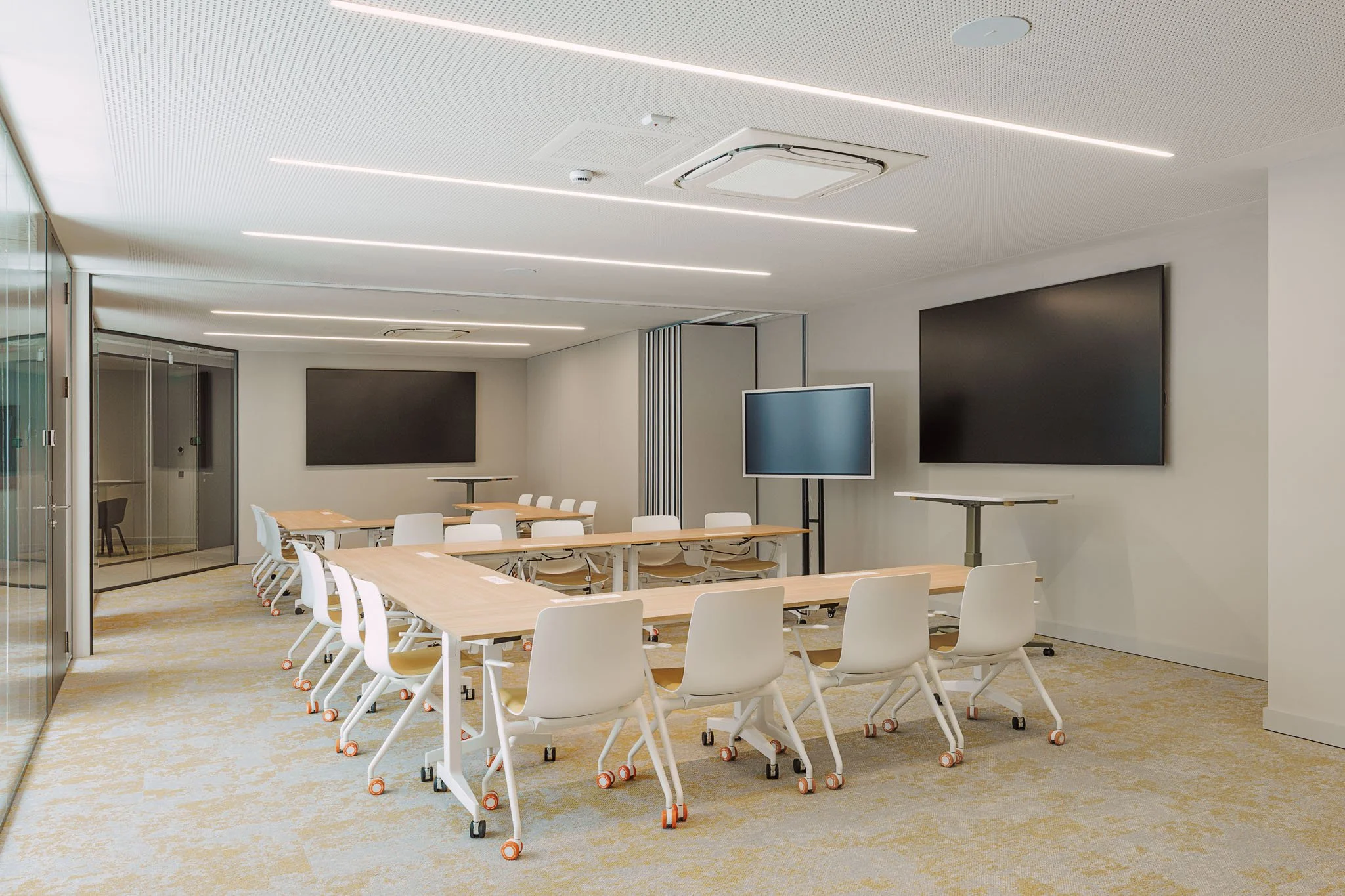
The brief defined by Cegoc was clear and well-structured from the outset, establishing as a fundamental premise the organisation of the project into two major functional areas: on one side, the training zone, including training rooms and their supporting facilities; on the other, the open-plan workspace dedicated to the company’s various teams. These two areas were designed to be interconnected, promoting a continuous and integrated spatial experience.
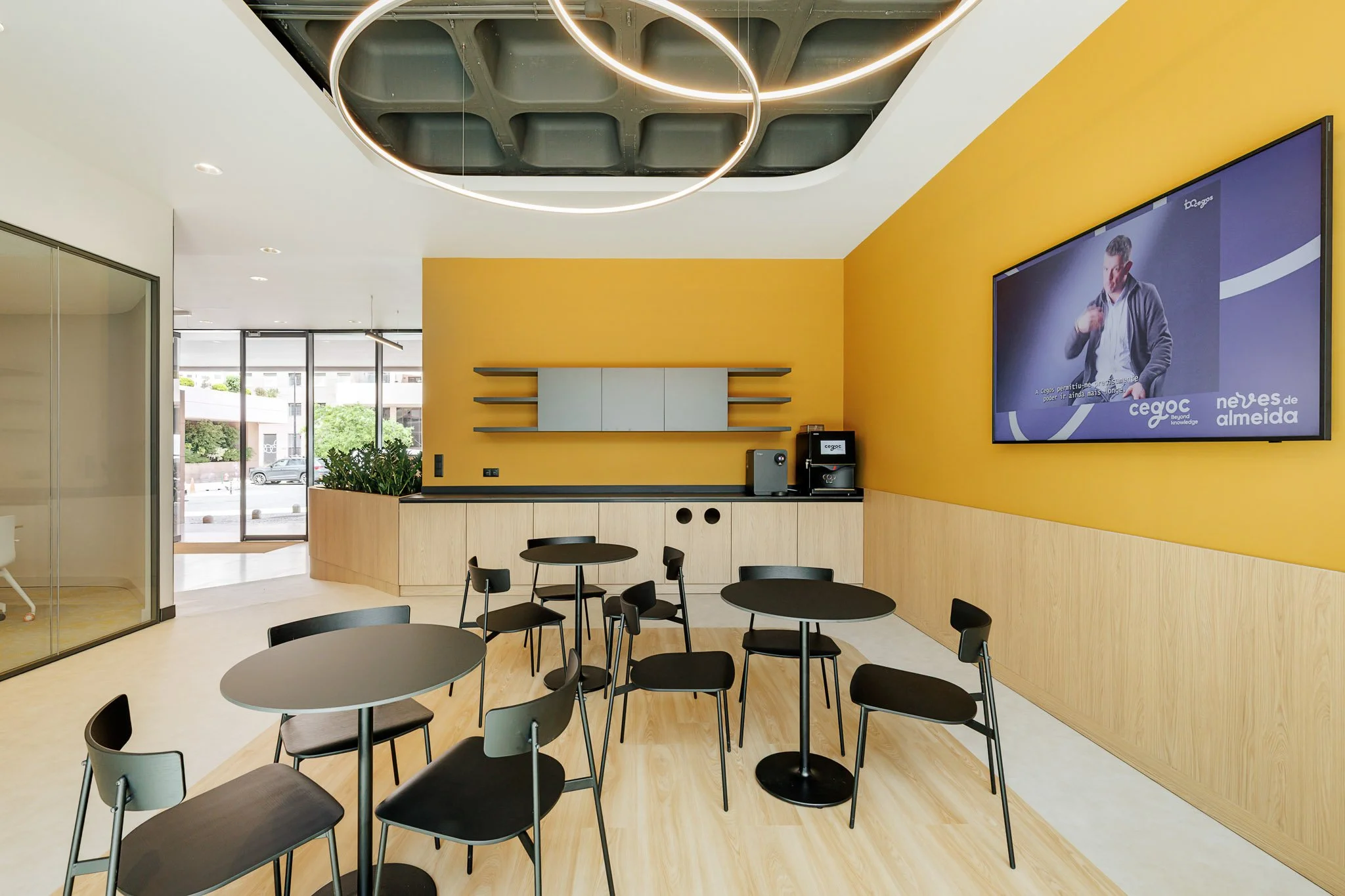
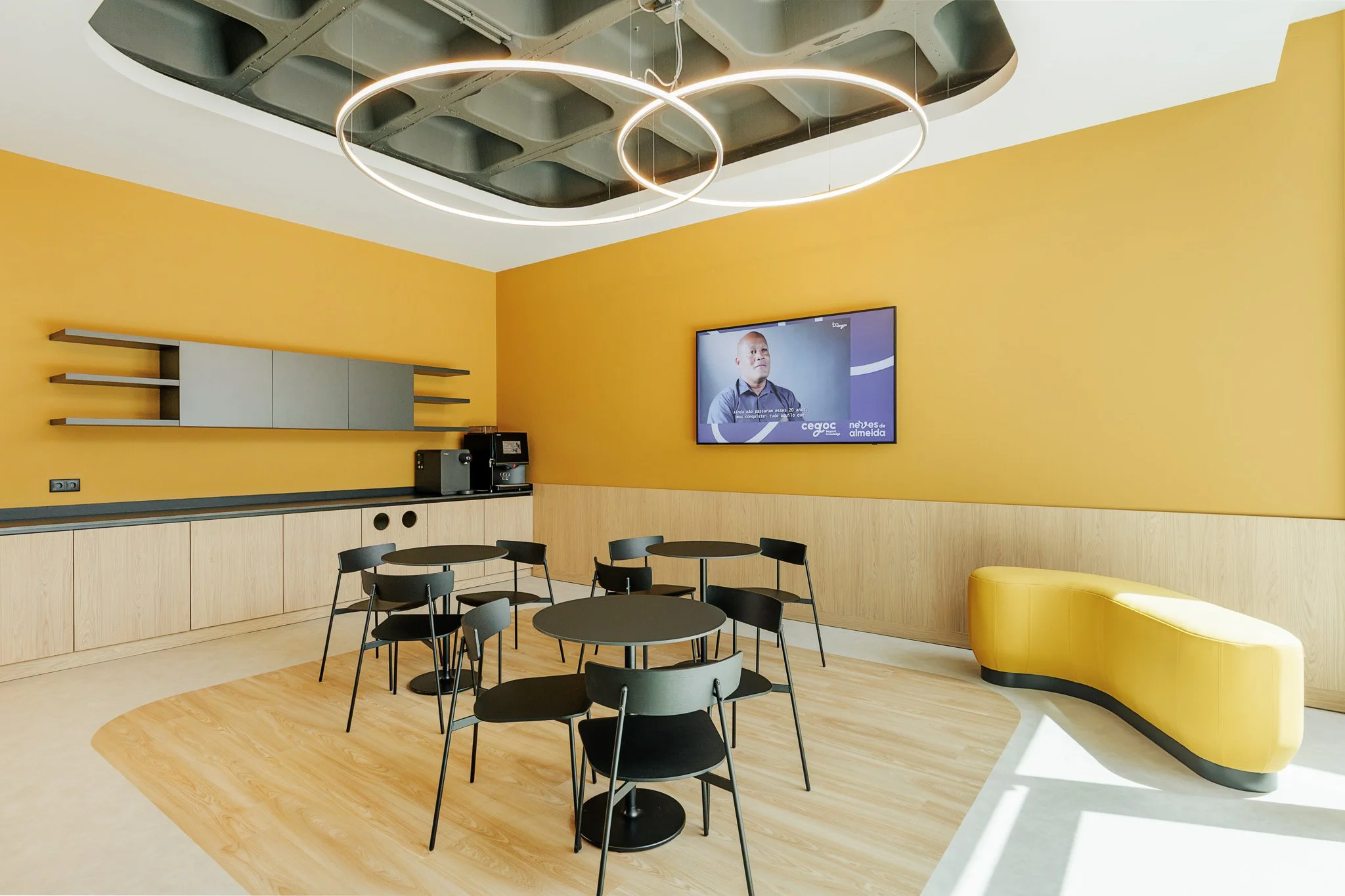
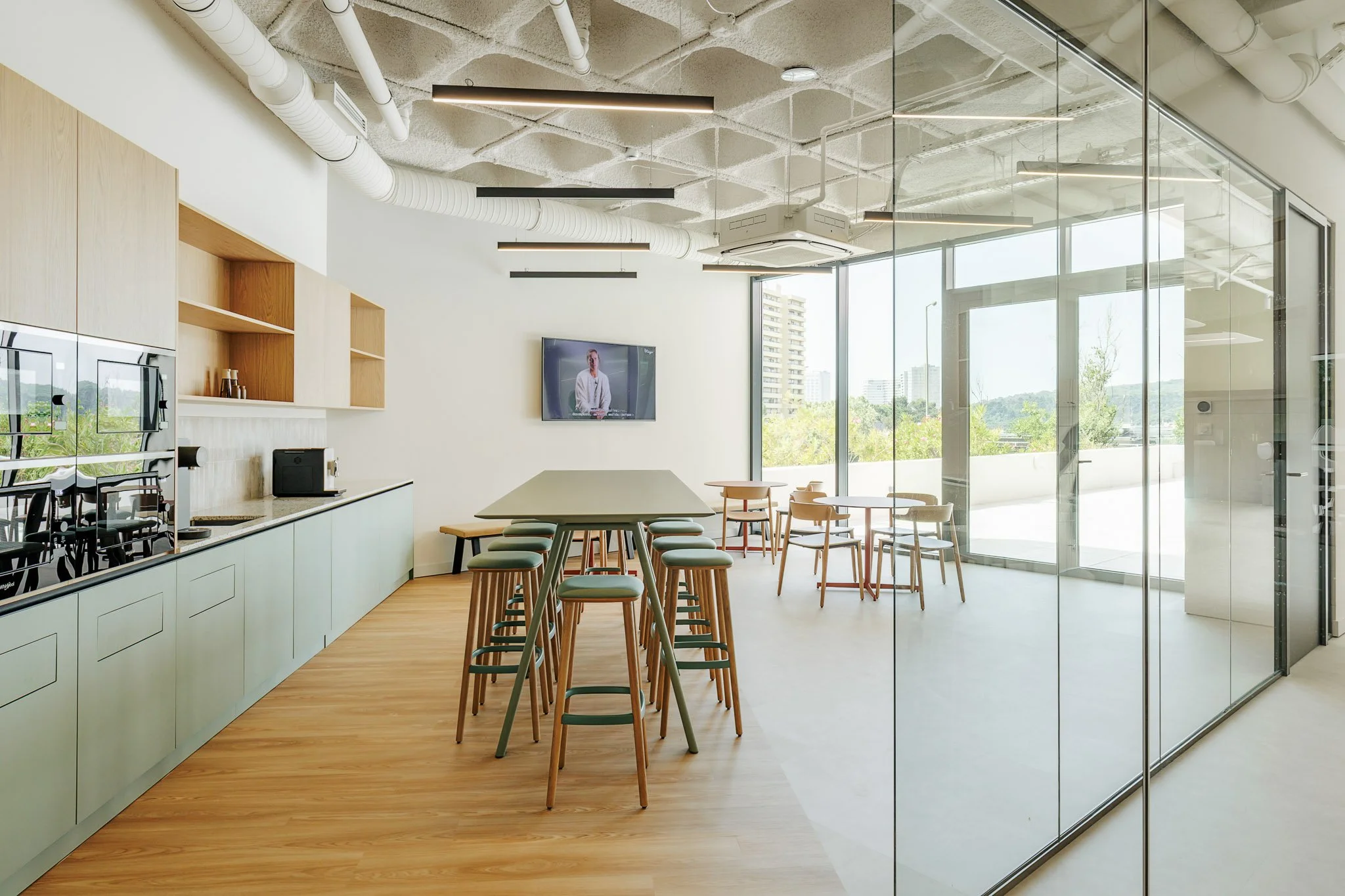
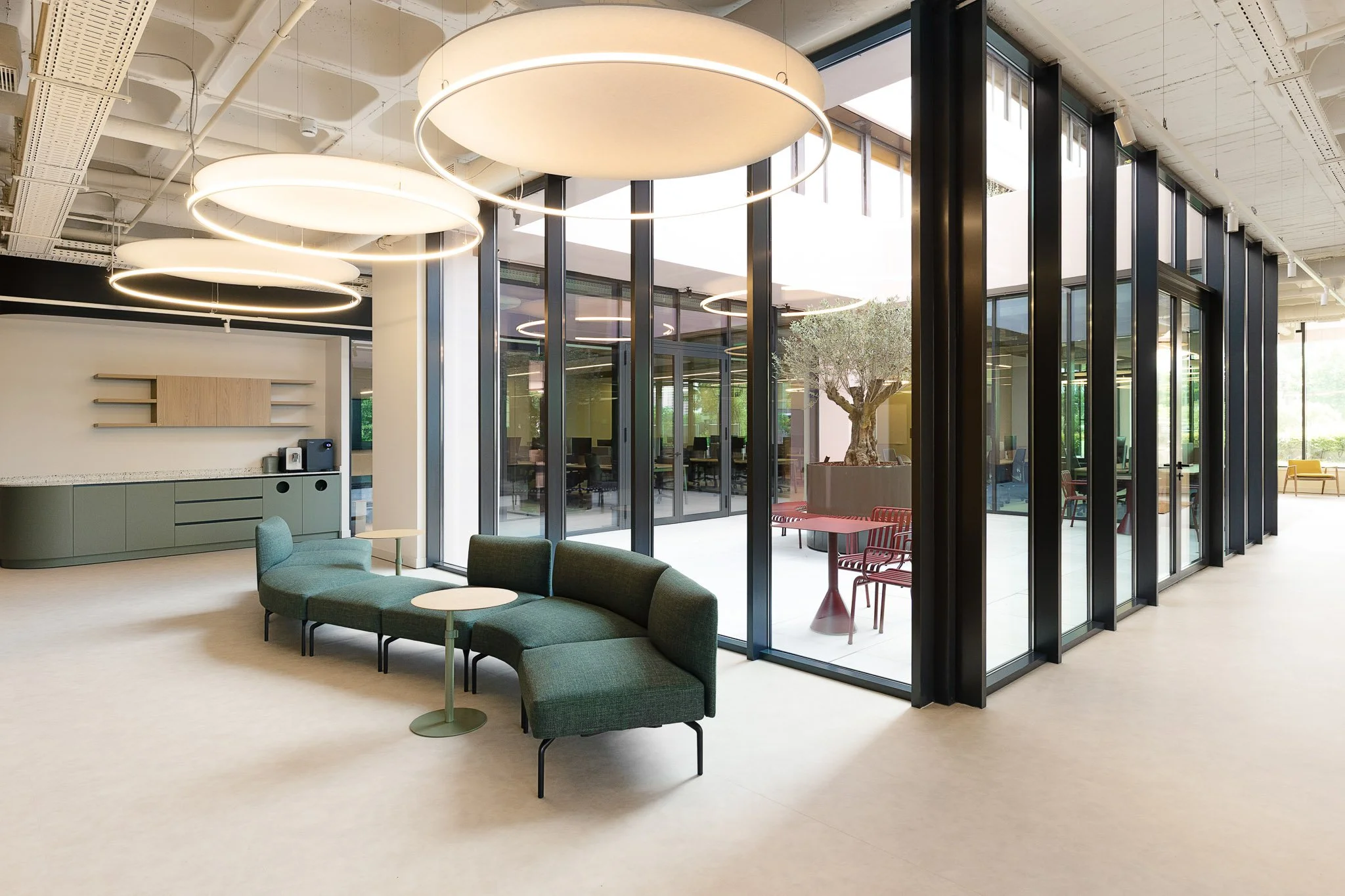
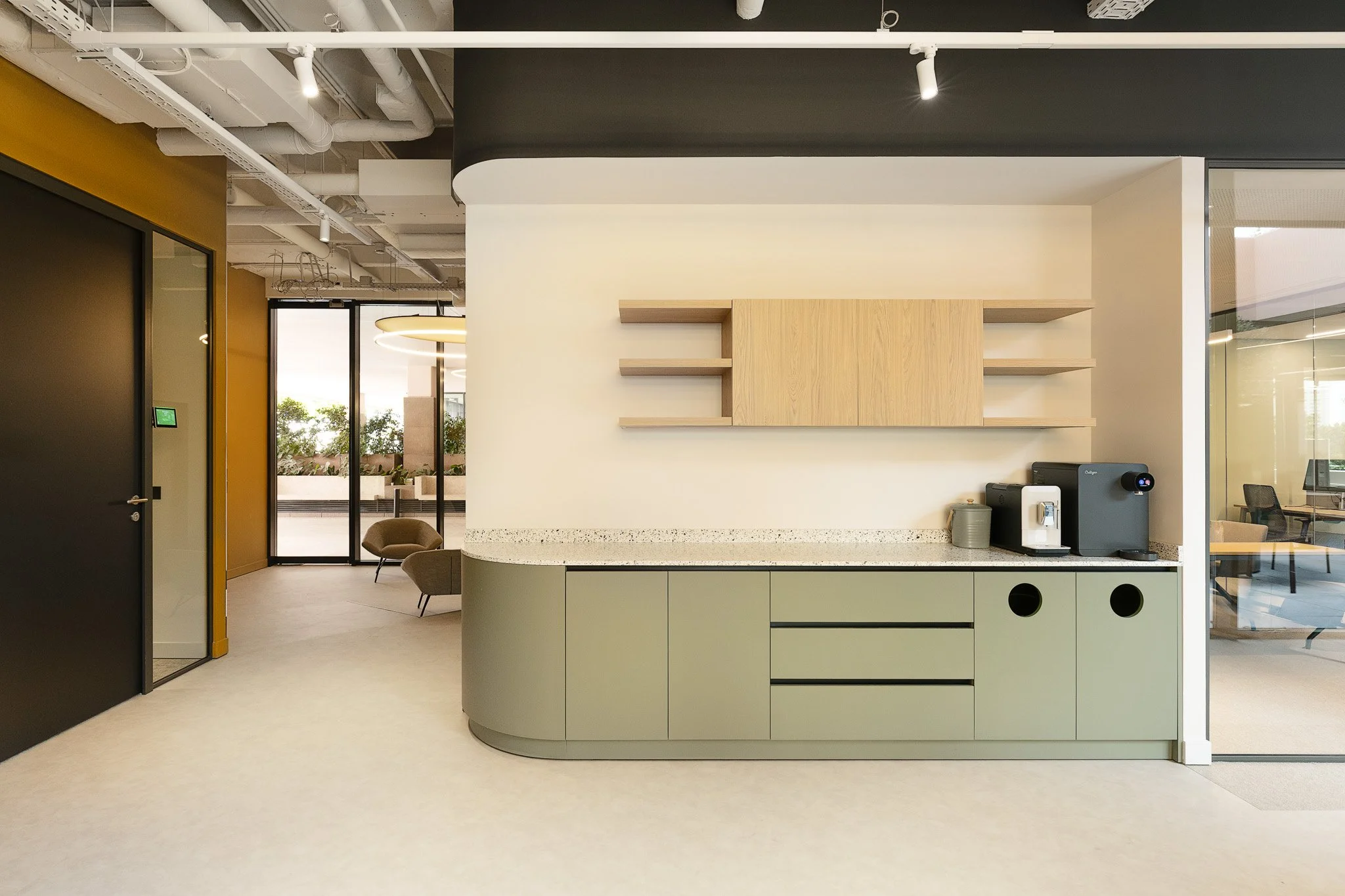
In addition, the project incorporated social and leisure areas, collaborative workspaces, meeting rooms and phone booths, contributing to a greater diversity of uses and enhancing user well-being.
Another key aspect of the brief was the client’s clear intention to enhance and integrate the outdoor spaces, particularly the interior courtyards and terrace. This objective was translated into a more fluid relationship between the interior and exterior, allowing these areas to be used in a continuous and interconnected way, unlike the previous configuration.
Which environments stand out in this project, and why?
Among the most distinctive aspects of this project is the significant transformation of the layout, which evolved from a closed, compartmentalised and almost labyrinthine configuration into a space defined by openness, transparency and visual permeability. The opening up of the courtyards and their integration into the new spatial design were fundamental to this change, increasing natural light penetration and establishing a strong connection between interior and exterior environments. This synergy contributes not only to spatial quality but also to a more enjoyable and functional user experience.
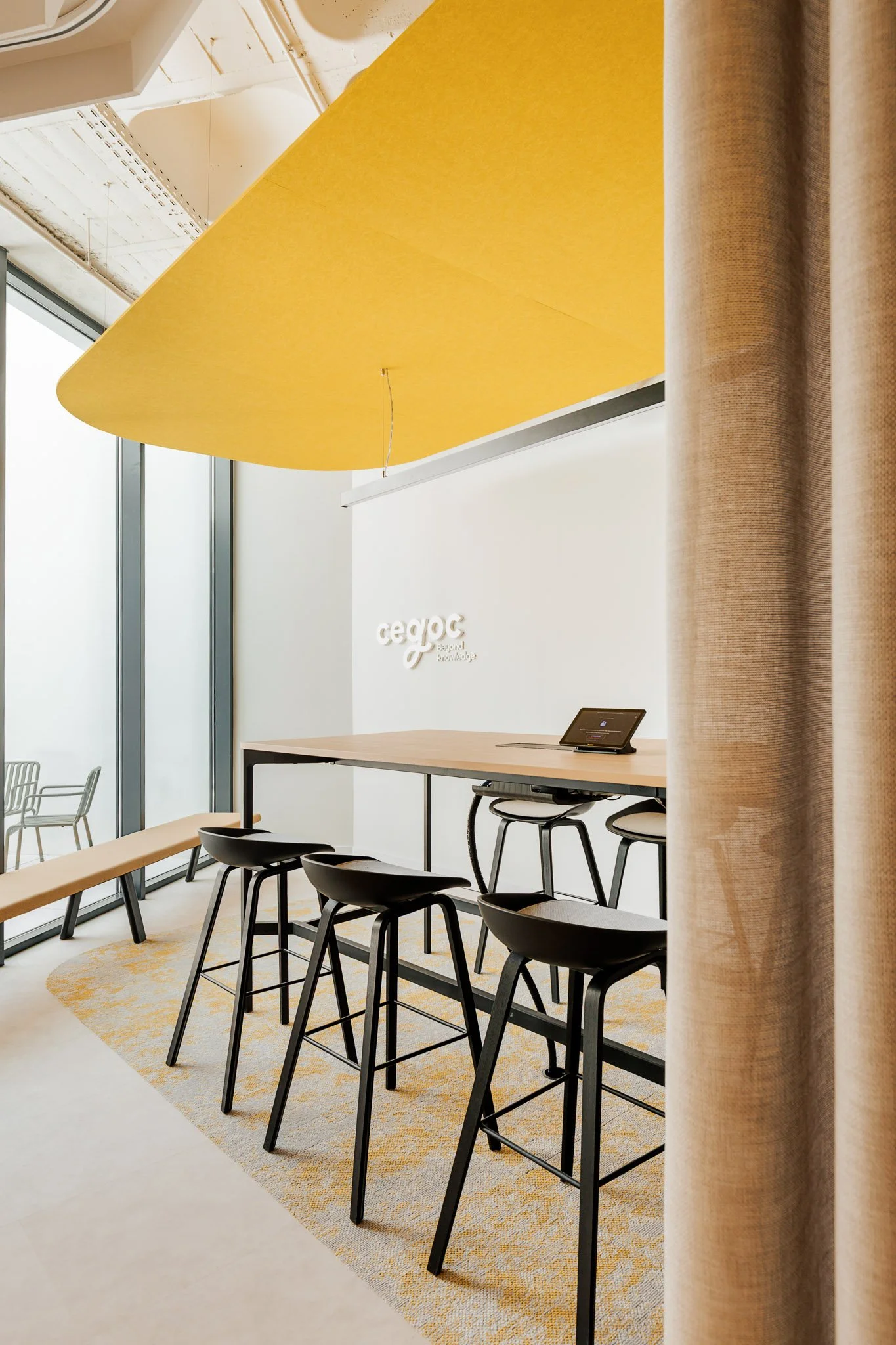
The collaborative work areas, strategically distributed throughout the office, also stand out. These spaces were designed with flexibility and adaptability in mind, allowing them to accommodate different forms of collective work — from informal meetings and brainstorming sessions to team discussions. Their location and configuration were carefully planned to encourage interaction between employees, facilitating spontaneous communication and the exchange of ideas.