
The Art of Building: Burel Factory
Isabel Costa and João Tomás left their former careers to dedicate themselves to burel. They produce it using ancestral techniques, century-old machinery and wool from Bordaleira and Mondegueira sheep from the Serra da Estrela. The same burel that features in some of the most important office projects in Portugal.
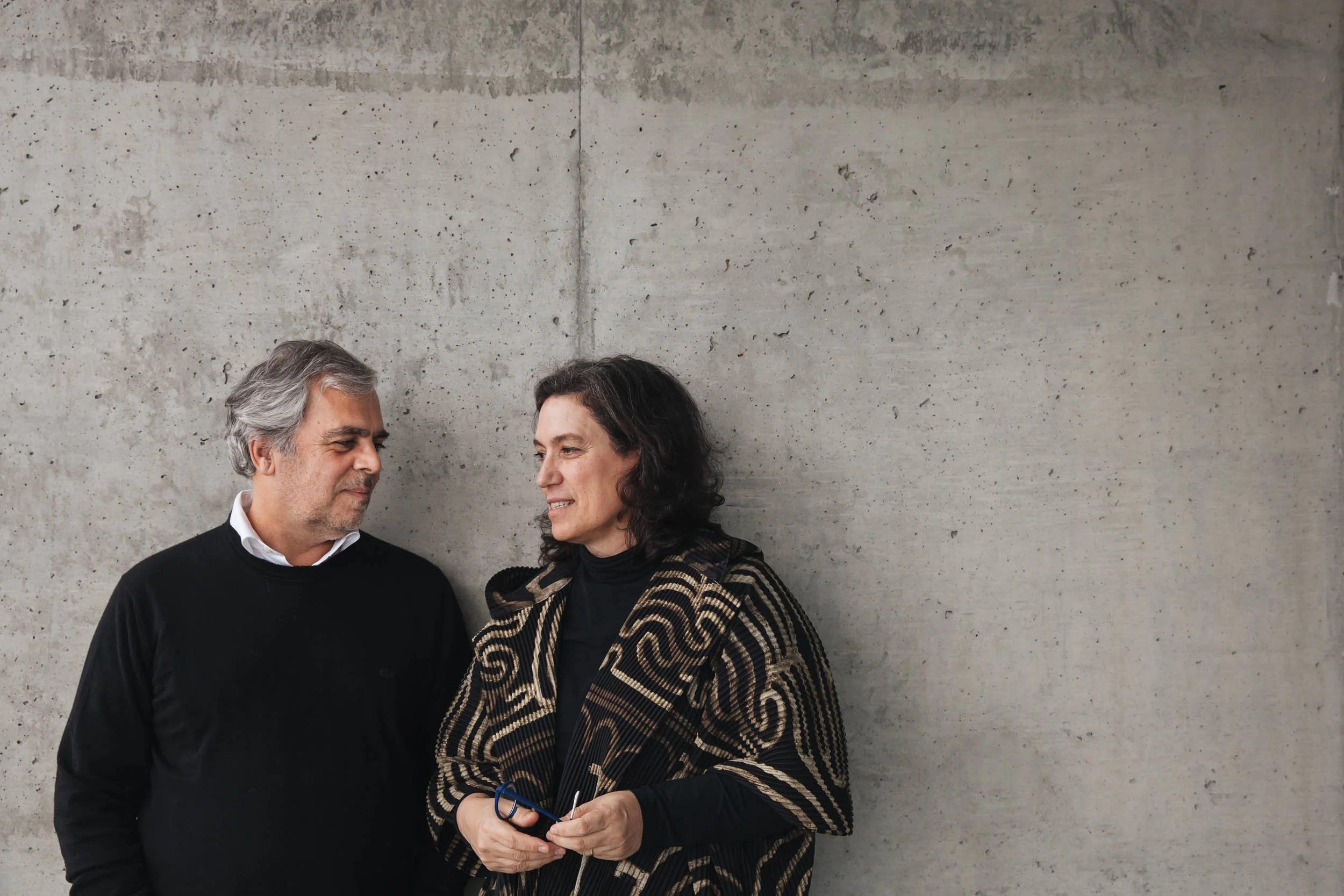
João Tomás and Isabel Costa, the founders of Burel Factory
January 2011. A project for Microsoft, 2,500 m² of burel and a historic factory on the verge of closing. These three events mark the beginning of Burel Factory as we know it today. Let’s go back to 2011, when Lanifícios Império, the most important wool factory in the Serra da Estrela, founded in 1947, filed for insolvency, putting more than 64 years of heritage at risk. Isabel Costa and João Tomás, the duo behind Burel Factory, had no idea that burel was about to become part of their lives.
Passionate about the Serra da Estrela, they bought a former sanatorium and transformed it into a small hotel: Casa das Penhas Douradas. And it was precisely when they were looking for interior solutions for the small hotel, located at an altitude of 1,500 metres, that they became connected to burel. “The factory was already going through insolvency proceedings and had a court-appointed administrator. We rented a small room and hired a seamstress to make decorative pieces for our hotel, in an effort to prevent the factory from closing for good and those century-old machines from ending up as scrap,” explains Isabel Costa.
The leap towards what the company represents today came when they were challenged to produce 2,500 m² of hand-embroidered burel for Microsoft’s headquarters in Parque das Nações. “I remember it very clearly. On 4 January, I received a call telling me that we had won the project. The factory no longer existed. We started with a three-month deadline, which was then shortened to 45 days. In record time, we hired 14 workers, bought wool, spun the yarn and produced the burel. On 9 March, when the opening took place, everything was ready!” recalls Isabel Costa, who admits that without this project, the company would most likely not have reached the scale it has today.
Burel Factory now employs 86 people. In addition to the factory, the company runs two hotels — Casa das Penhas Douradas and Casa de São Lourenço — as well as two shops in Lisbon, one in Porto and another in Manteigas, and an interior solutions department called Spatial Solutions. Despite everything, the project’s driving force considers that they are still just a drop in the ocean when it comes to the potential of Portuguese wool.
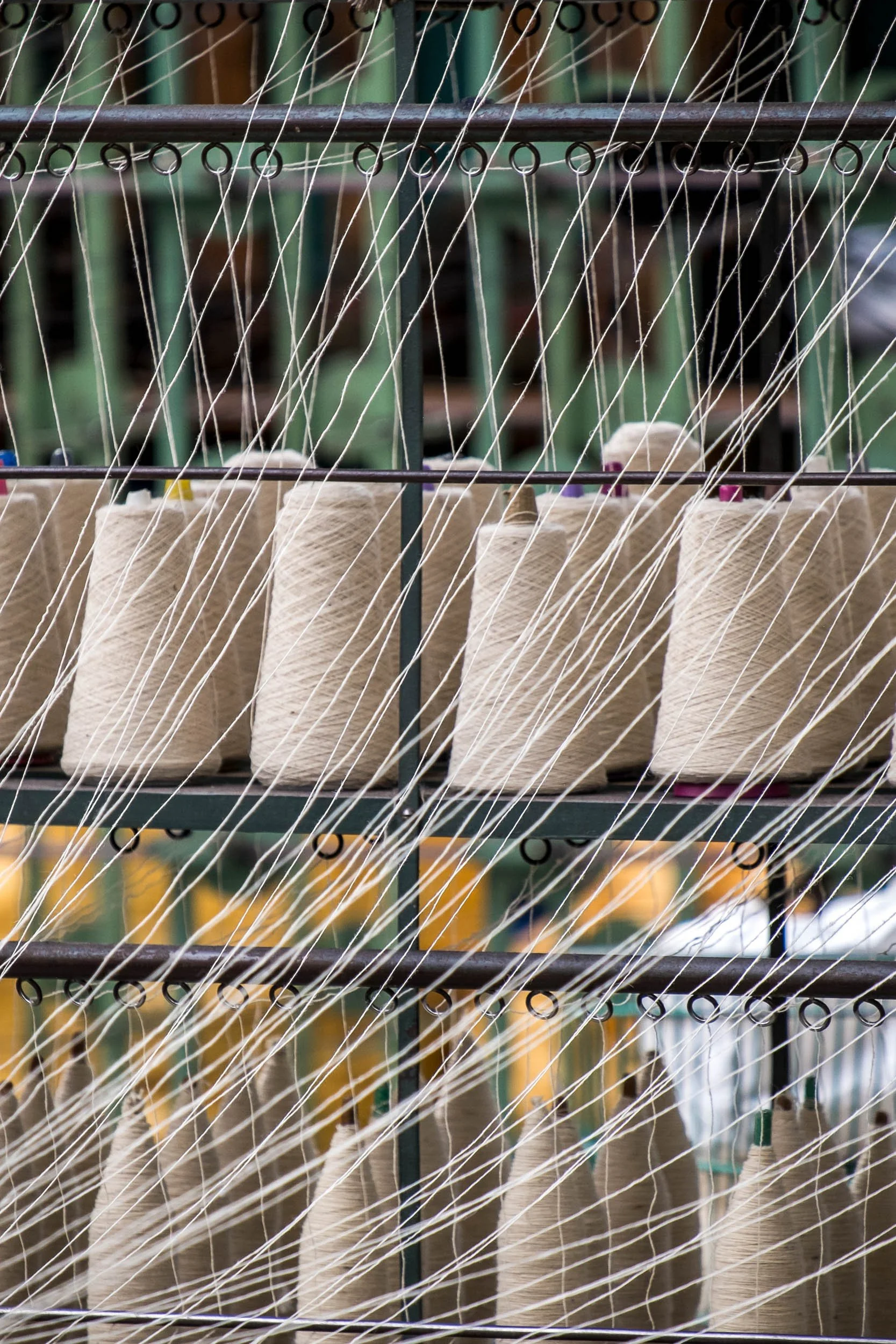
The spools of yarn
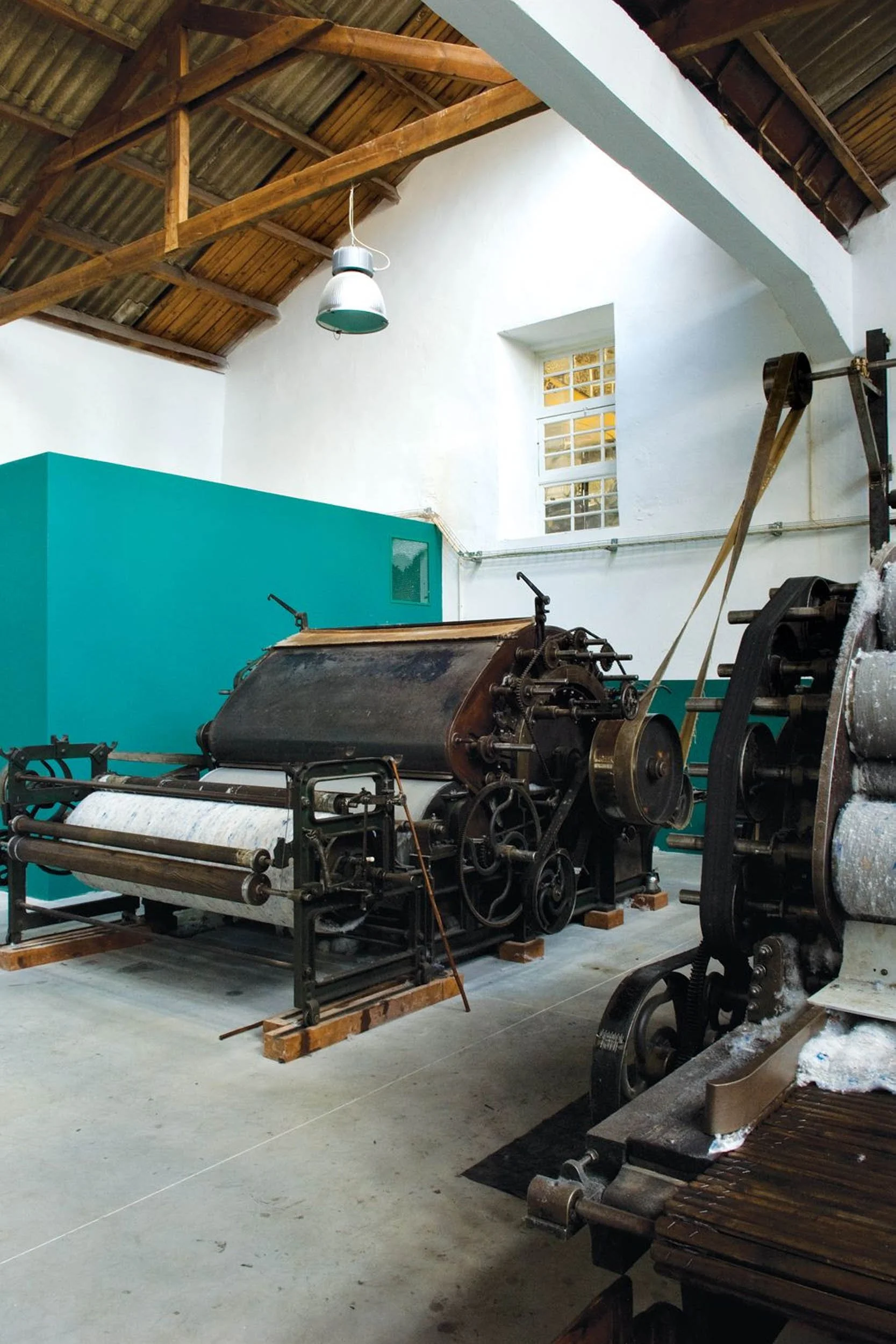
The century-old machines that are still in operation
“There isn’t a single person thinking about the issue. Wool is a problem for many people, but institutionally, it is no one’s problem.” — Isabel Costa
Thinking about the wool industry as a whole
The production of burel follows an ancestral process, using wool from Serra da Estrela sheep of the Bordaleira and Mondegueira breeds — two very coarse types of wool that were once burned or buried. Because Portuguese wool is not particularly suited to textiles, “there has been an effort to use it in other non-textile sectors, such as construction and architecture, for example. Wool is a 100% recycled, natural product that the national industry should look at in the same way it looked at cardboard and paper. Wool is an excellent substitute for plastics and other non-natural materials,” warns Isabel Costa. She regrets that Portugal does not have the same level of care for wool as countries such as England or Spain, where their respective royal households oversee projects dedicated to protecting and preserving their wool heritage. “We don’t have a single institution that looks at the wool sector as a whole. For some, wool falls under the Ministry of Agriculture; for others, it belongs to the Ministry of Economy; and for others still, to the Ministry of the Environment. This means there is no coordinated action to address the problem,” says Isabel.
Many hands and many hours of work
From the moment the wool arrives at the factory, brought in by the various shepherds from the Serra da Estrela, to the finished burel we see in a wide range of office projects, many hours of work by at least 15 people are required. Preparing the batch, carding the wool and then spinning the yarn takes two days. Preparing the loom and weaving takes another day. The fabric then goes through quality control, travels to Covilhã to another factory for finishing, and returns for another quality check. That makes four days already. On the fifth day, it is washed and then felted, a process that reduces it by 40 to 50%. If it is to be dyed, it then goes to the dyeing stage, adding another day. It must then be dried, measured and undergo another quality check.
These are the steps involved in producing burel fabric, amounting to eight working days. The remaining hours depend very much on what needs to be done: covering a plain panel or embroidering it, for example. Burel Factory uses several stitches that give the pieces a three-dimensional quality, each with its own particular characteristics. “If we are talking about the Favos stitch, it takes a day and a few hours to embroider one square metre, depending on the embroiderer. With the Primavera stitch, it takes three days. If we are talking about an office project, we need to take measurements and draw the pieces. Once everything is finished, the team goes to the site and carries out the installation,” adds the entrepreneur.
The company works exclusively with Portuguese wool, which is transformed into yarn, carded wool, tapestries, ceilings, flooring, and decorative or fashion accessories.
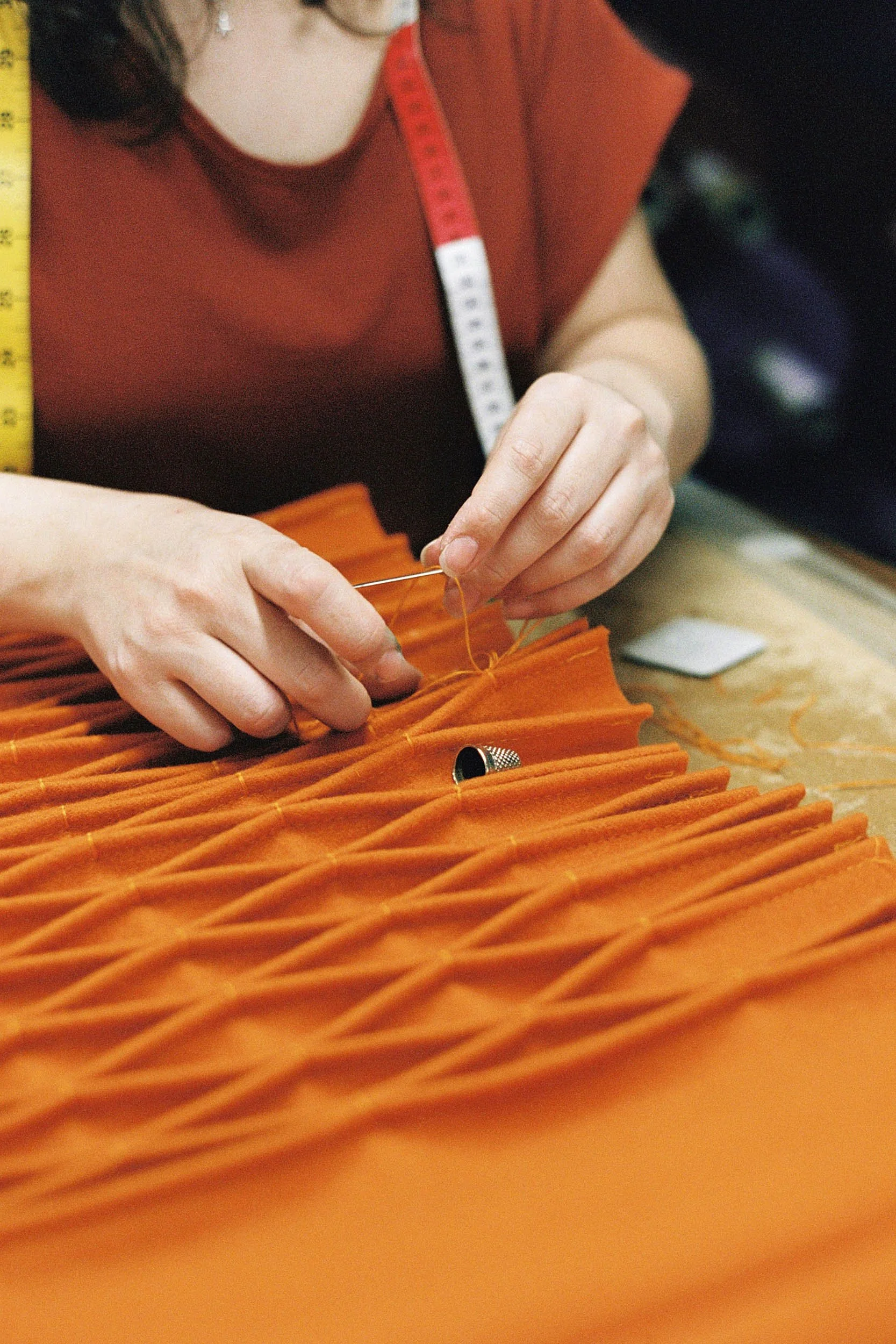
The Favos stitch being embroidered by a Burel Factory embroiderer

Panel featuring the Favos stitch in Miranda’s offices, built by Vector Mais
Wool studied down to the finest detail
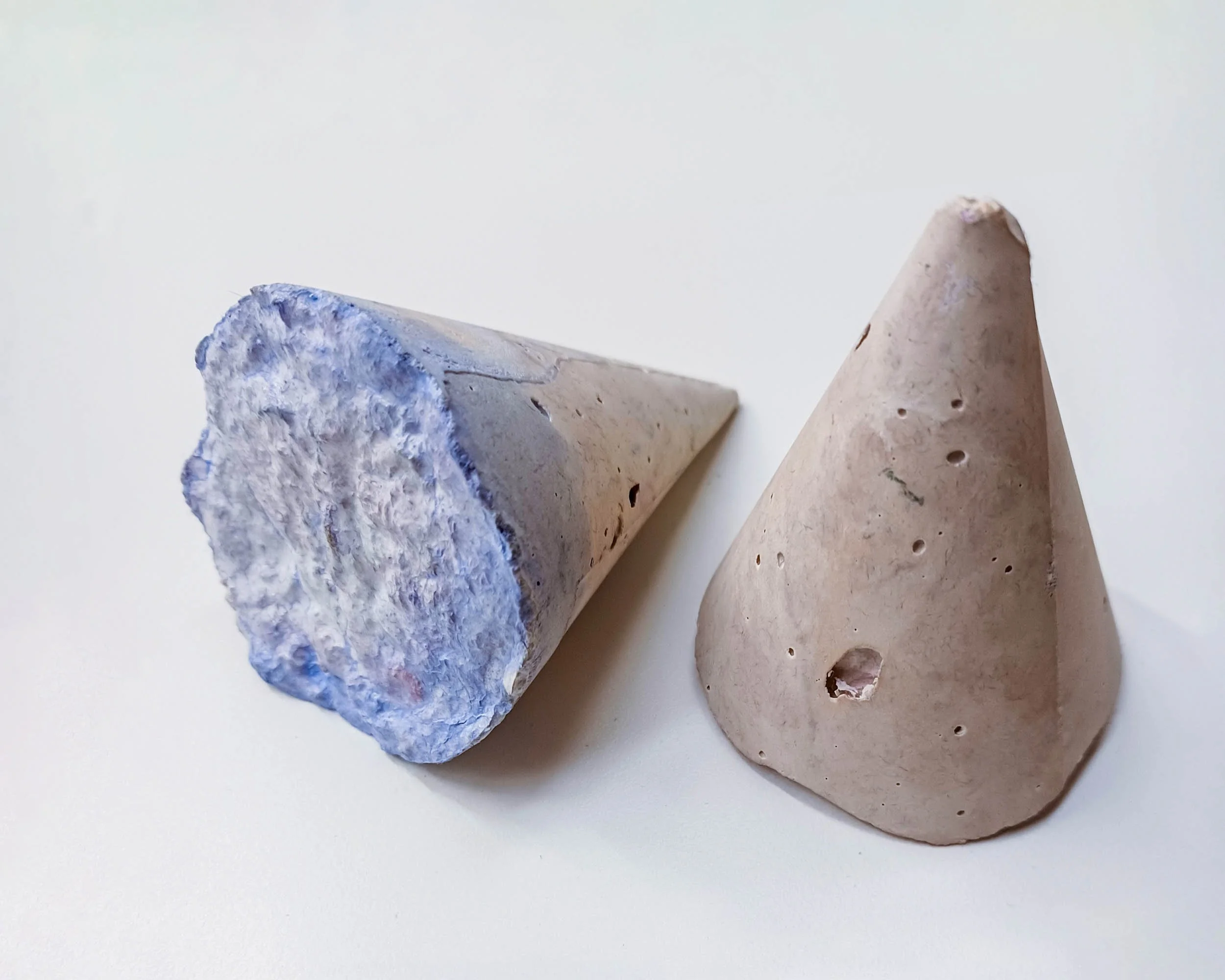
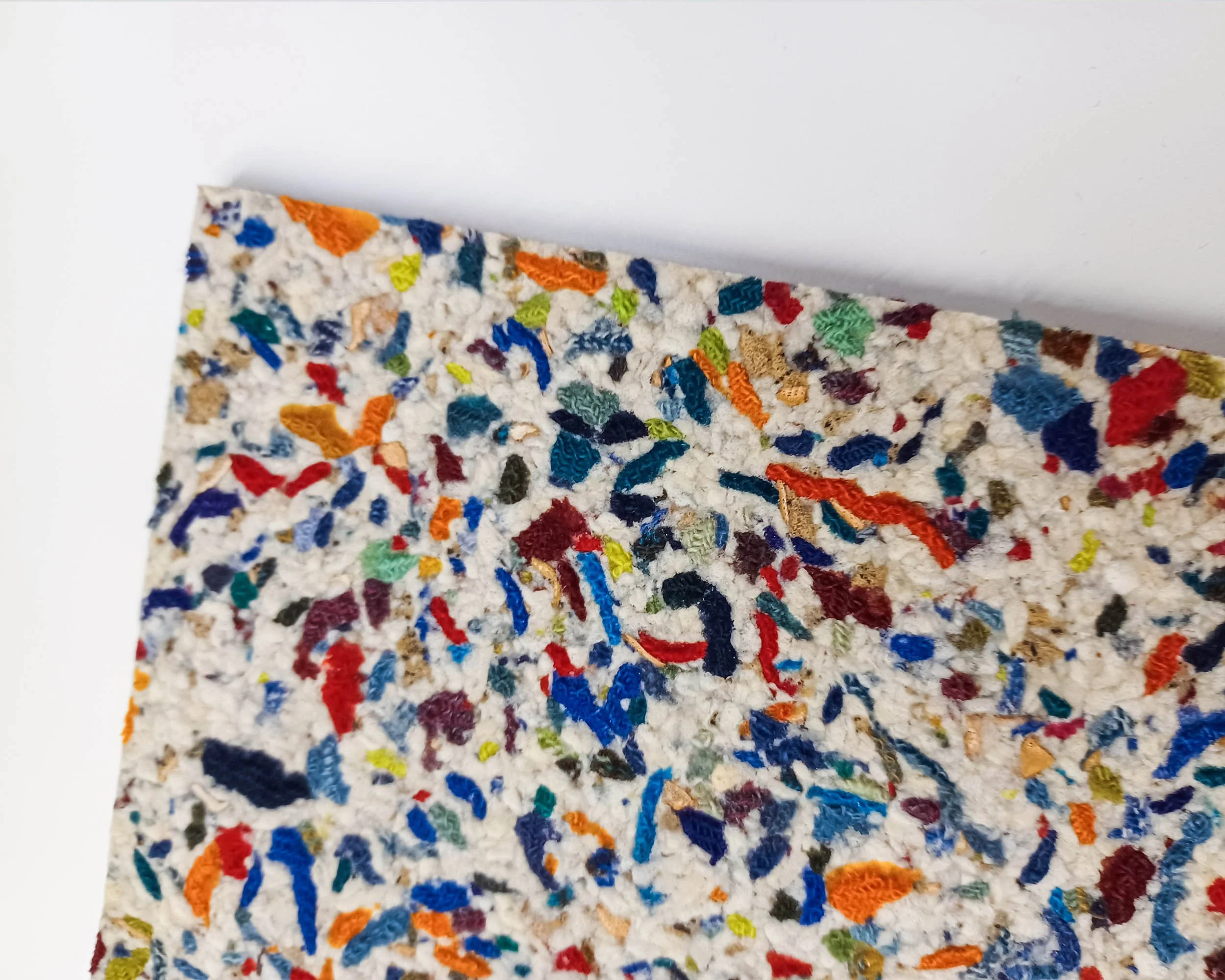
For five years, Burel Factory was part of a European consortium, in partnership with the University of Coimbra, that carried out an in-depth study of wool as a building material. The project, called Science Behind the Wool, included 625 technical data sheets that examined wool down to the finest detail. “We studied its fire-retardant performance in upholstery in great detail, which is different from its performance on ceilings, which in turn is different from walls. We are talking about an investment of more than one million euros, but it allowed us to present wool as a certified and accredited building material for architects, contractors and interior professionals, giving us the tools to respond to different applications,” says Isabel Costa proudly, noting that the work was featured in architecture materials libraries in Paris, London and New York. It is this in-depth study of wool that enables Burel Factory to innovate in the field. The company has been developing a range of innovative wool composites, combining it with paper, PLA (polylactic acid, a bioplastic made from renewable resources), latex and cork. It has also been working with enzymes and biotechnology, as well as developing antimicrobial, antifungal and mosquito-repellent solutions, with a very clear goal: to find ways of addressing the problem of finding uses for Portuguese wool.
The issue has become even more pressing following the closure of the country’s last wool washing facility, located in Guarda. In response, Ovibeira — the Association of Agricultural and Livestock Producers — launched a petition, signed by almost 9,000 people, calling for the issue to be brought before the Portuguese Parliament. With the closure of this facility, Portugal no longer has the domestic capacity to wash raw wool, forcing the export of untreated raw material. As burying wool is prohibited by law, farmers are forced to use industrial landfills at considerable cost, while losing the entire value of the raw material.
One foot in the past, shaping the future
It is through an ancestral process, using century-old machinery, that the burel products found in some of the most important office projects — including AstraZeneca, Euronext, BPI, PLMJ and many others — are made. But while Burel Factory is committed to preserving its historical legacy, it also has its eyes firmly set on the future. “We have several innovation projects underway, including the use of carded wool as insulation to replace glass fibres and other synthetic products, using starch or bamboo, which are natural materials,” explains Isabel. She considers it essential to develop new solutions that can help address the problem of finding applications for Portuguese wool.
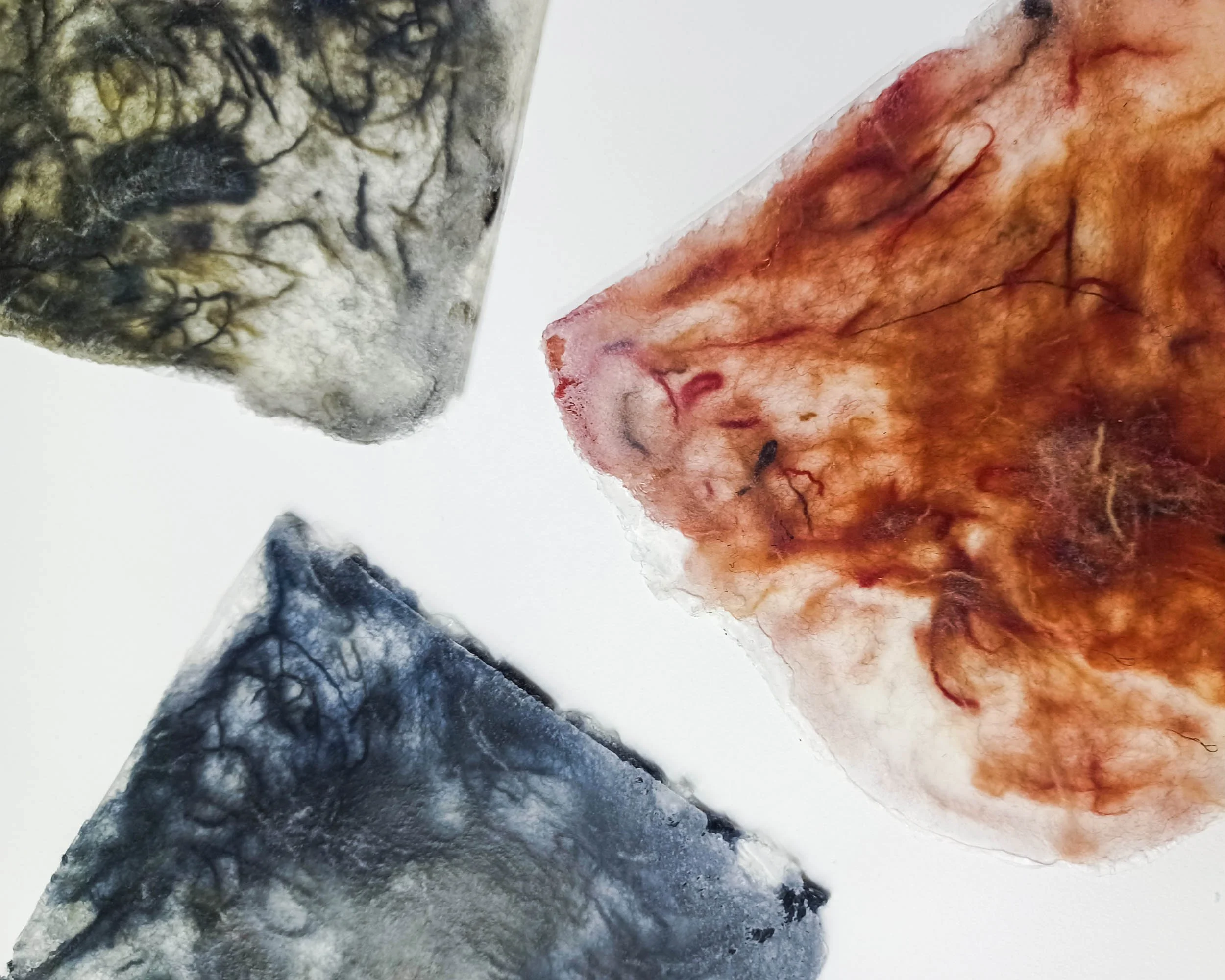
Burel Factory has applied for several innovation and development projects, one of which is now on its third application and focuses on natural dyeing. “We believe this is a project with great merit, so we are not going to give up. We are in a place where dye plants have a long history and where there is a great deal of knowledge about them. They are raw materials provided by nature, just like wool or cork, and being able to use them without any impact on the environment would be perfect,” says Isabel Costa, acknowledging that, despite using environmentally certified dyeing processes, chemicals — particularly metals — are still involved.
The brand intends to continue preserving its historical legacy, while remaining committed to finding new solutions and applications for Portuguese wool.
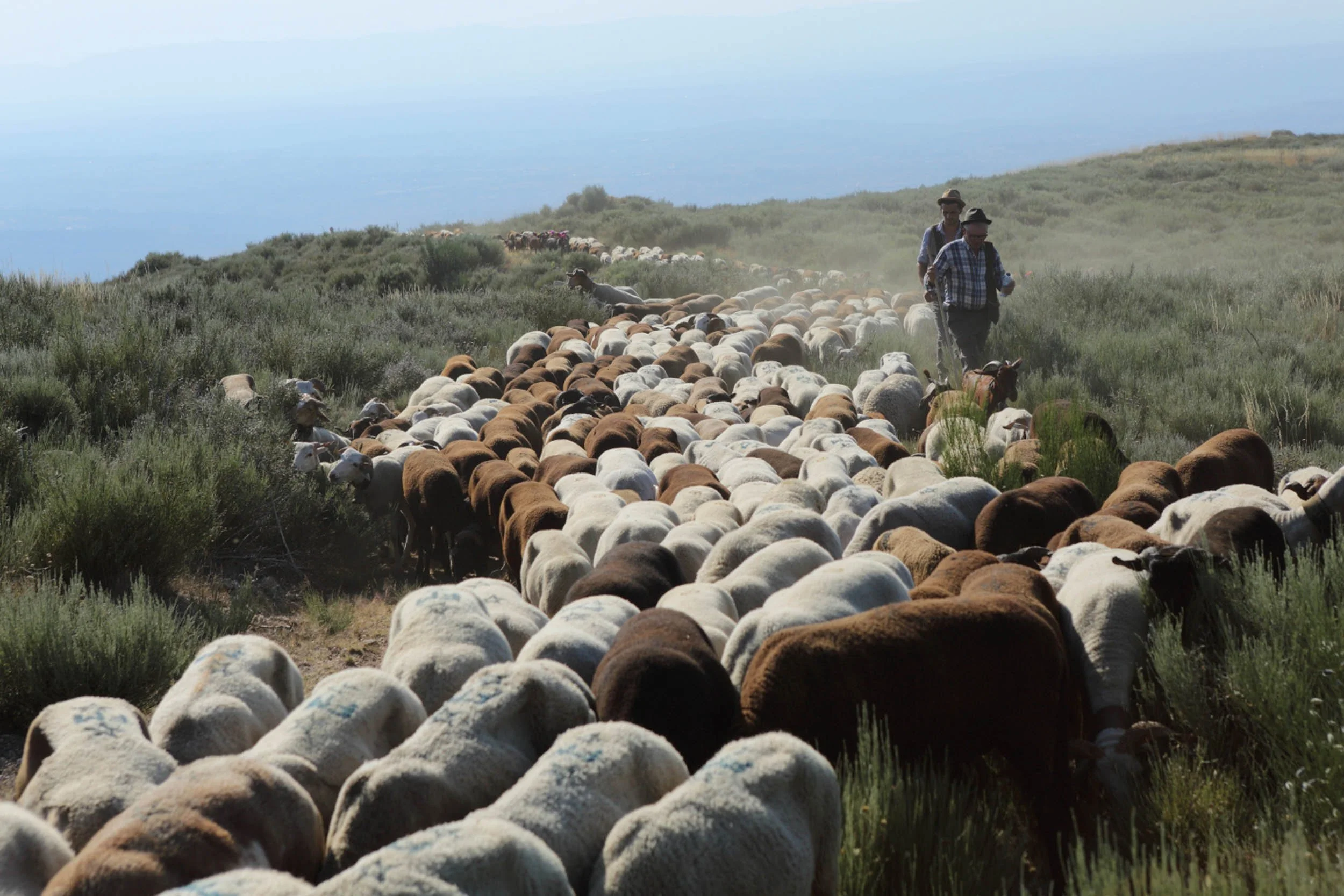
Ovelhas bordaleiras e mondegueiras da Serra da Estrela