
Insight Vector Mais: the office as an extension of well-being
We spend a significant part of our lives working. And for a long time, we became accustomed to the idea that discomfort, fatigue or distraction were an inevitable part of professional life. But the truth is that the space where we work profoundly influences how we feel, think and perform.
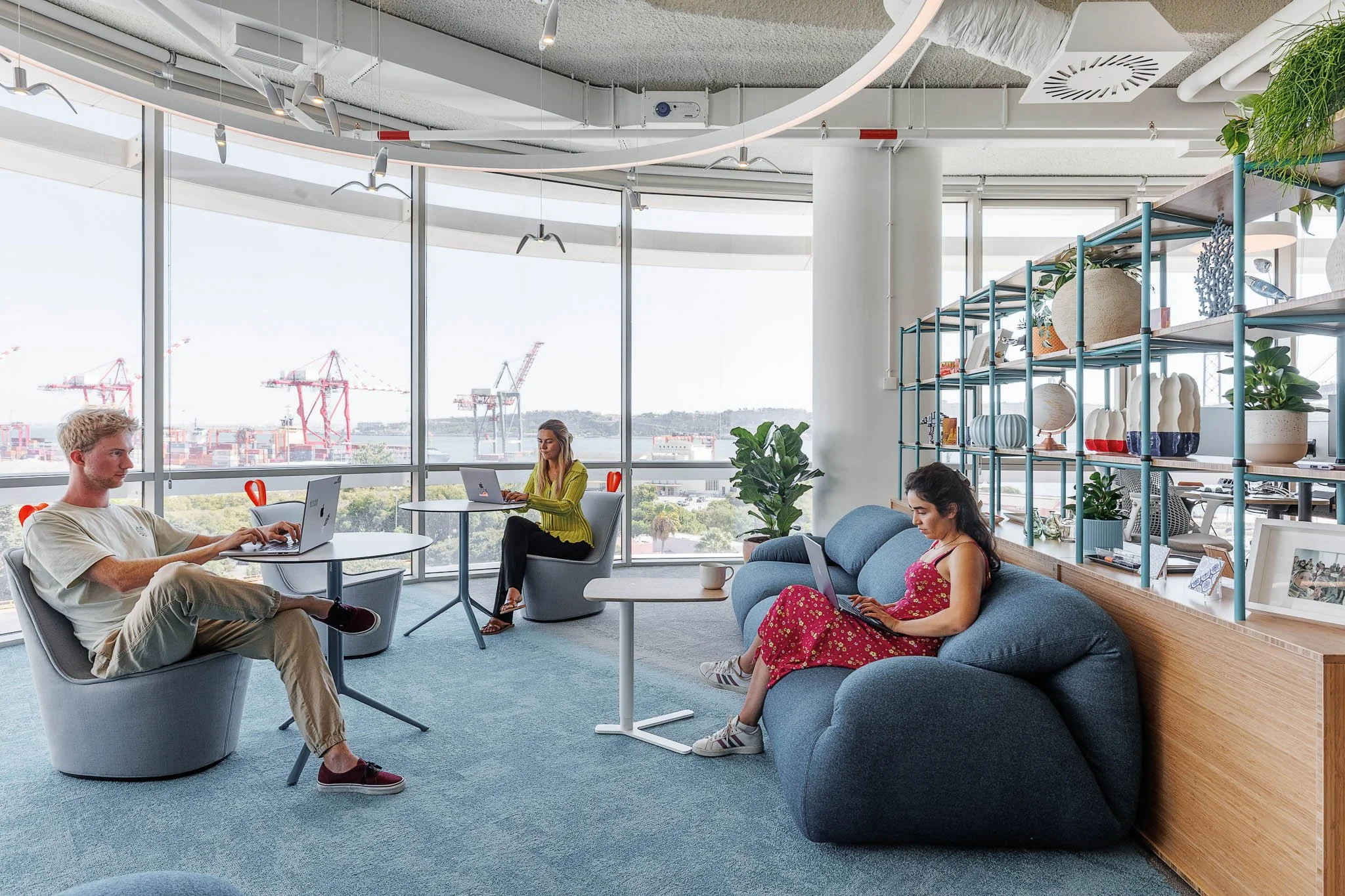
Lounge area at Cloudflare
Today, the workplace is no longer just a set of desks and meeting rooms. It has become an ecosystem that directly impacts the physical, mental and emotional well-being of teams. The way an office is designed, from lighting to acoustics, from ergonomics to organisation, can improve concentration, reduce stress and create more human and balanced environments.
Ergonomics: designing for the body
The human body was not designed to remain still for hours. Yet a large part of contemporary work requires long periods of sitting, often in inadequate postures. The result is lower back pain, muscle tension, fatigue and reduced concentration.
This is where ergonomics plays an essential role, making it crucial to adapt the space to people’s physical and cognitive needs. Desk height, chair lumbar support, monitor position or even the possibility of alternating between sitting and standing all have a direct impact on health and productivity.
Small adjustments in the workspace can translate into major differences in daily life: less physical strain, greater comfort and a more natural relationship with work.

Ergonomic chairs and height-adjustable desks at BW Energy
The importance of natural light
Lighting is another key element in well-being. Exposure to natural light helps regulate the circadian rhythm (our biological clock), influencing energy levels, concentration and even mood.
Offices with limited natural light tend to generate more visual fatigue, drowsiness and difficulty focusing. On the other hand, well-lit spaces promote more stimulating, healthy and productive environments.
More than an aesthetic concern, designing with light means thinking about the human experience within the space. Balancing natural and artificial lighting, avoiding glare and creating visually comfortable environments has become a priority in contemporary office design.
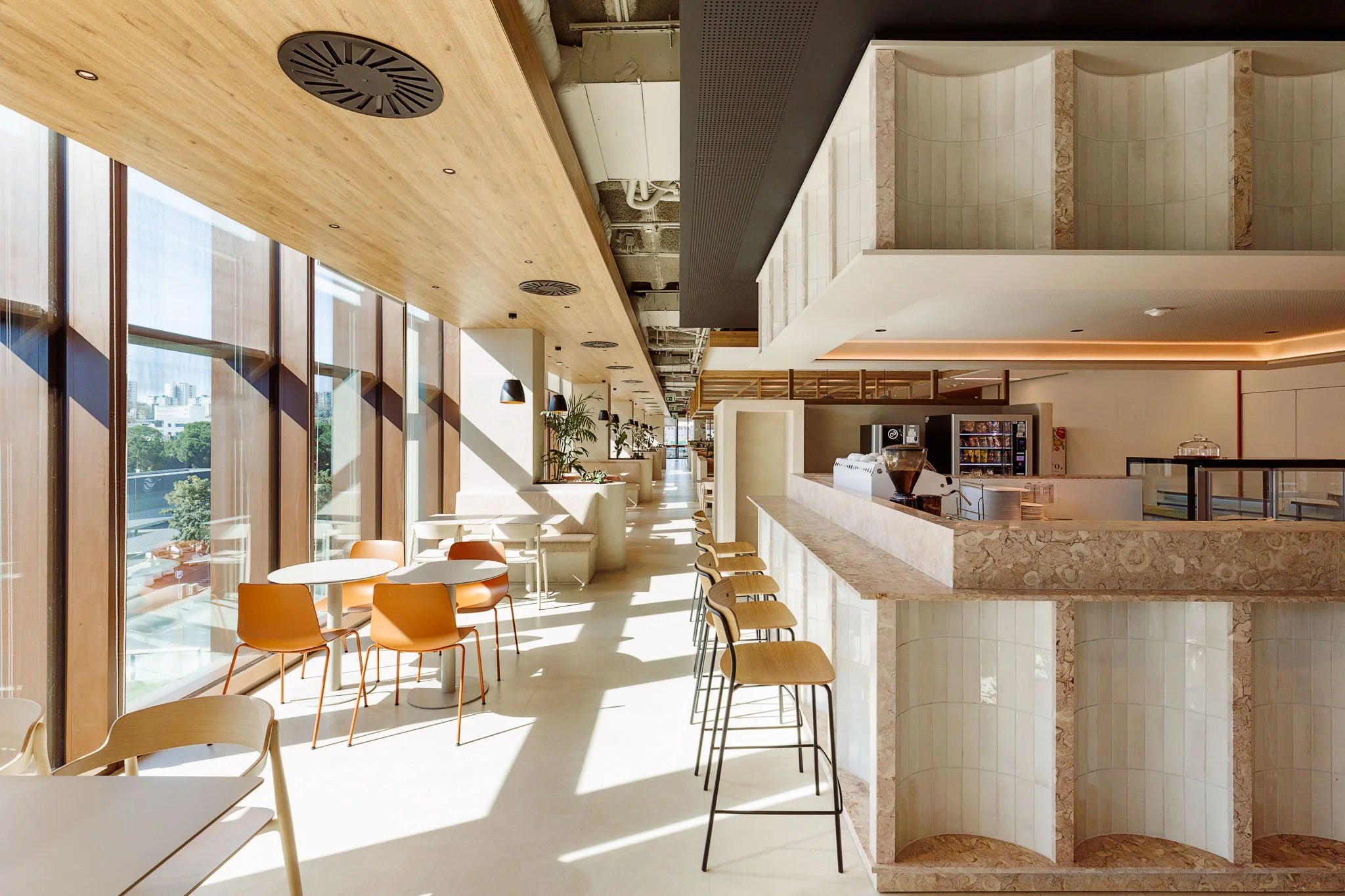
Natural light at the BNP Paribas Hub
The invisible impact of noise
In an office, noise is rarely just noise. Background conversations, calls, video meetings or operating equipment can become constant sources of distraction.
In open-plan environments, where collaboration is encouraged, the challenge lies in balancing interaction and concentration. An excessively noisy space increases stress levels, reduces focus and can directly affect team motivation.
Acoustics, therefore, are no longer a technical detail but a tool for well-being. Absorbing materials, quiet zones, focus booths and a thoughtful spatial layout help create more comfortable and productive environments.
The goal is not absolute silence, but a balanced environment where collaboration and privacy coexist.

Phone booths and acoustic ceiling at Floene
Organisation and well-being go hand in hand
The quality of a space inevitably influences mental states. A disorganised environment tends to create distraction, fatigue and a sense of chaos, while clean and well-structured spaces promote clarity, efficiency and calm.
Office organisation is not only a visual matter; it is also a form of collective care. From the arrangement of materials to the design of shared areas, everything contributes to a healthier and more pleasant work experience.
When a space functions intuitively and coherently, work flows more naturally.
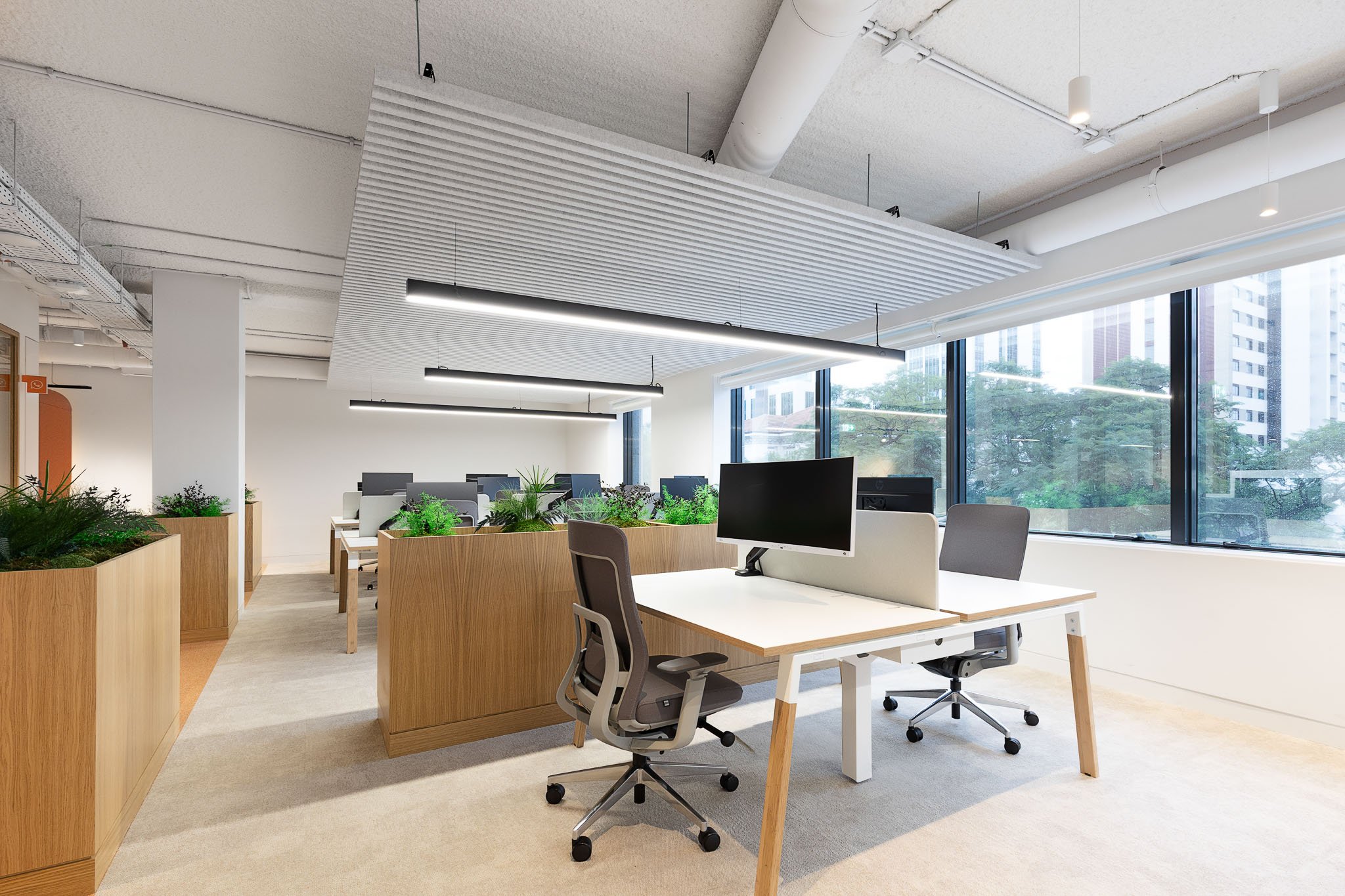
An organised workspace at Lusitania
Flexible spaces for new ways of working
Team needs have changed, and offices have evolved accordingly. Today’s workspaces are more flexible, dynamic and multifunctional.
Collaborative areas coexist with focus zones, acoustic booths, informal spaces and breakout areas. There is no longer a single office model, but rather different environments designed to respond to different moments of work.
This diversity allows each person to choose the most suitable space for the task at hand, promoting not only efficiency but also a healthier relationship with the working environment.
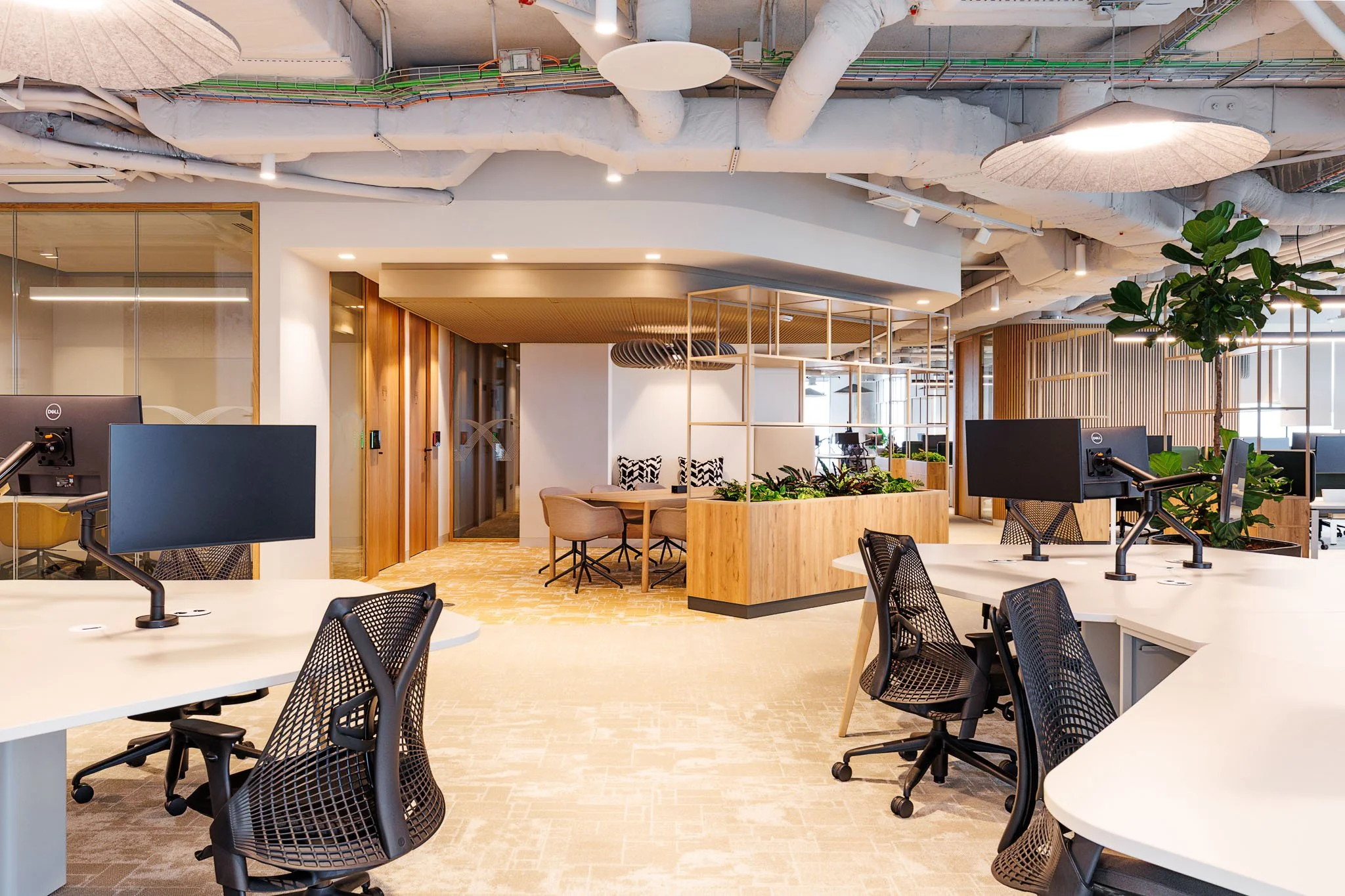
Flexible workspace at EY
Well-being starts with space
Well-being at work does not happen by chance. It is built through conscious decisions about how we design spaces and shape people’s experience.
A well-designed office does more than improve productivity. It enhances energy, creativity, collaboration and even the way we approach daily challenges.
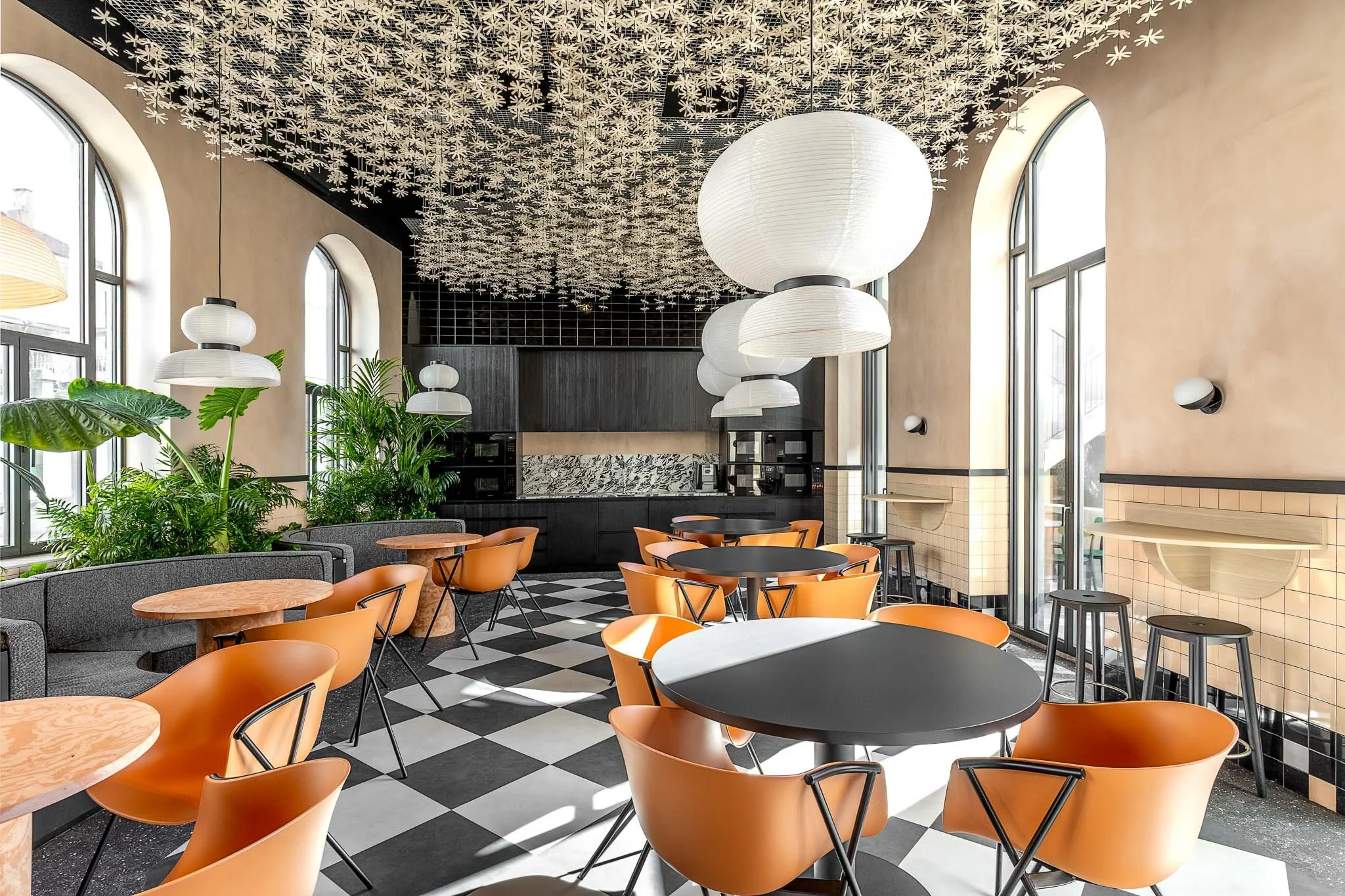
Comfortable area at Euronext